Aperitif vs. Digestif: What's the Difference and When to Drink Each
By The Aged & Amber Spirits Team
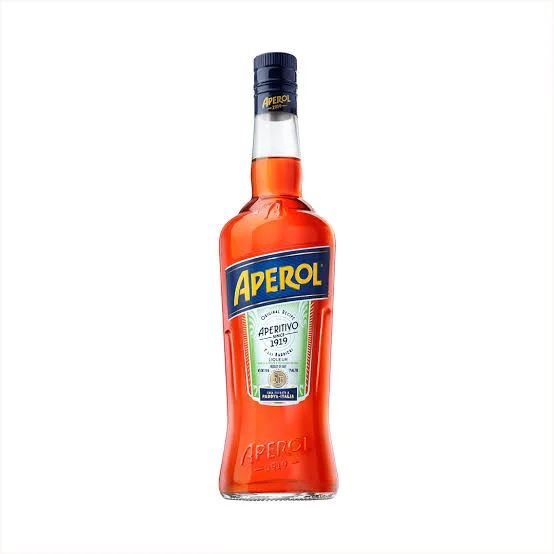
Aperitif and digestif are two of the most commonly misused terms in the drinks world — often treated as interchangeable "fancy liqueur" categories, when they actually describe two opposite moments in a meal.
Aperitif: Before the Meal
An aperitif (from the Latin *aperire*, "to open") is meant to be drunk before eating, specifically to stimulate the appetite rather than fill you up or overwhelm your palate before food arrives. The defining characteristic of a good aperitif is that it's light, bright, and often slightly bitter — bitterness is genuinely believed to stimulate digestive juices and appetite, which is why so many aperitifs (Aperol, Campari, dry vermouth) lean bitter rather than sweet.
Classic aperitif choices: Aperol Spritz, a dry Vermouth on the rocks, Champagne or other dry sparkling wine, a light Negroni, or a simple dry white wine.
Digestif: After the Meal
A digestif is the opposite bookend — consumed after eating, traditionally believed to aid digestion of a rich meal. Digestifs tend to be stronger, sweeter, or more herbally intense than aperitifs, sipped slowly in a small glass rather than consumed quickly.
Classic digestif choices: Amaro (Italy's bitter herbal liqueur category), Cognac or aged brandy, a herbal liqueur like Chartreuse, Limoncello, or a rich Tawny Port.
Why the Order Actually Matters
The logic isn't just tradition for its own sake — it reflects real culinary reasoning. A rich, high-proof digestif like Cognac or a syrupy dessert liqueur would overwhelm your palate and appetite if drunk before a meal, dulling your ability to taste the food that follows. Conversely, a light, bright aperitif served after a heavy meal would feel thin and unsatisfying compared to something richer and more warming.
Amaro: The Digestif Workhorse
Amaro deserves special mention as arguably the most versatile digestif category — a broad family of Italian bitter herbal liqueurs (Amaro Nonino, Averna, Ramazzotti among the best-known) built specifically around the belief that bitter, herbal complexity aids digestion after a meal. Amaro varies enormously in style, from lighter and more citrus-forward to dense, syrupy, and intensely herbal, making it worth exploring beyond just one bottle.
Can the Same Drink Ever Be Both?
Not really — the categories are defined by role and style, not a fixed ingredient list. Vermouth, for example, is typically an aperitif when served dry and chilled before a meal, but a sweeter, richer vermouth style sipped slowly could functionally work as a light digestif too. The honest rule of thumb: light, bright, and bitter before eating; richer, stronger, and more herbal after.
Building Both Into Your Home Bar
You don't need a huge collection to cover both moments properly — one good bitter aperitif (Aperol or a dry vermouth) and one good digestif (an Amaro or a modest Cognac) genuinely rounds out a dinner-party bar far more completely than another bottle of the same spirit you already have.
Shop the Collection
RTD & Liqueurs