Bourbon vs Whiskey: What's the Actual Difference?
By The Aged & Amber Spirits Team
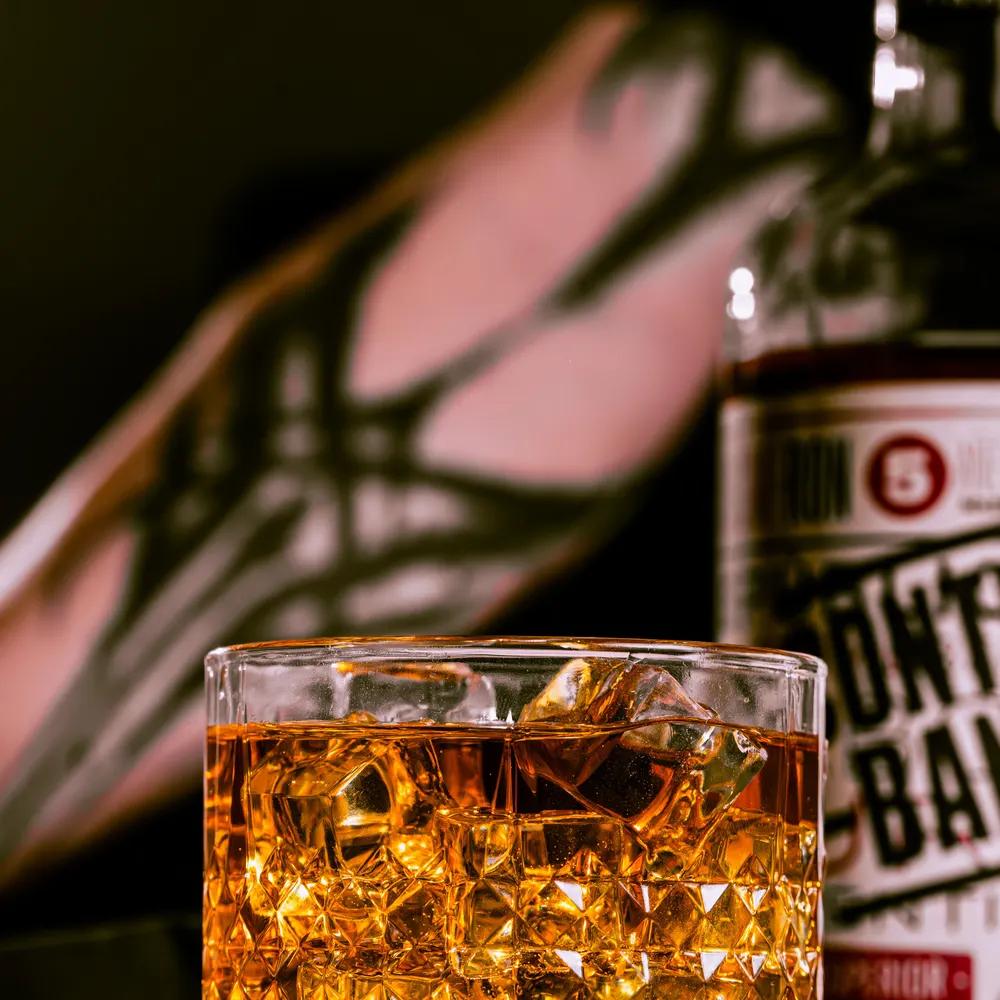
"Is bourbon just whiskey?" is one of the most common questions from anyone starting to explore American spirits — and the honest answer is that bourbon is a specific, legally defined type of whiskey, not a separate category sitting alongside it.
Whiskey Is the Umbrella Category
"Whiskey" (or "whisky") is the broad term for any spirit distilled from fermented grain mash and aged in wood. Under that umbrella sit dozens of legally distinct styles — Scotch, Irish whiskey, Canadian whisky, Japanese whisky, rye whiskey, and bourbon among them. Every bourbon is a whiskey. Not every whiskey is a bourbon.
What Specifically Makes a Whiskey "Bourbon"
To be labelled bourbon in the United States, a whiskey must meet every one of these requirements:
- Produced in the United States (any state, not just Kentucky).
- Distilled from a grain mash of at least 51% corn.
- Distilled to no more than 160 proof.
- Entered into a new, charred oak container at no more than 125 proof.
- Bottled at no less than 80 proof.
- No added colouring, flavouring, or blending material.
Miss any one of those, and it isn't legally bourbon — no matter how similar it tastes.
Common Misconceptions
"Bourbon has to be made in Kentucky." False. Bourbon can be made anywhere in the US. Kentucky simply produces the overwhelming majority of it, for historical and practical reasons (limestone-filtered water, ideal ageing climate, generations of expertise).
"Bourbon and Tennessee whiskey are the same thing." Close, but not quite. Tennessee whiskey must meet every bourbon requirement, plus one extra step — the Lincoln County Process, filtering the spirit through sugar maple charcoal before barrelling.
"All whiskey is basically bourbon with a different name." Not remotely. Scotch, for example, has none of bourbon's grain or barrel requirements — it must simply be made in Scotland from malted grain and aged a minimum of three years, with no new-oak or corn-percentage rule at all.
Why the Distinction Matters When Buying
Knowing bourbon's specific rules tells you exactly what you're getting: a corn-forward, new-oak-aged, additive-free American spirit with a naturally sweeter, fuller profile than most other whiskey styles. If a bottle can't legally call itself bourbon, that's a meaningful signal about how it was made — not just a marketing choice.
Shop the Collection
Bourbon Whiskey