Campbeltown Whisky Guide: Scotland's Smallest Whisky Region
By The Aged & Amber Spirits Team
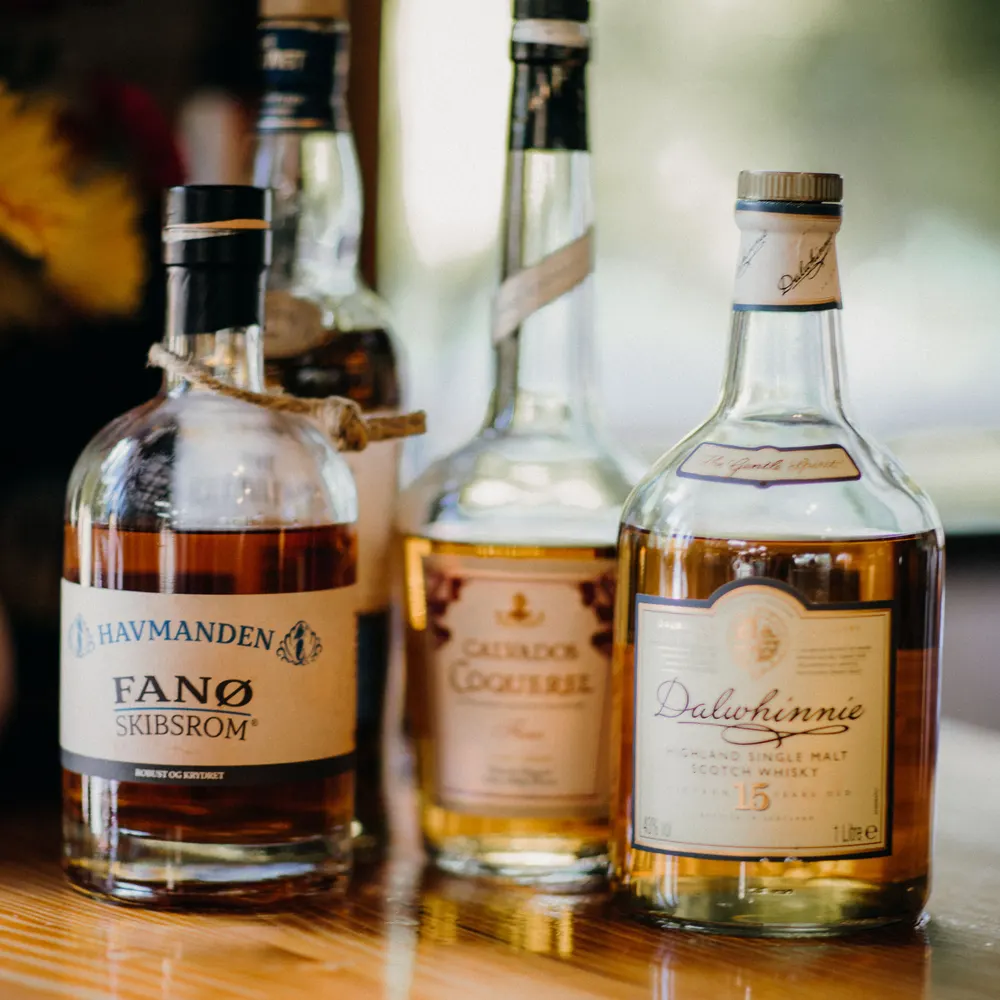
Campbeltown holds official status as one of Scotland's five whisky regions, alongside Speyside, Islay, Highland, and Lowland — but unlike the others, it very nearly stopped existing as a meaningful whisky-producing region entirely.
From "Whisky Capital of the World" to Near Extinction
In the late 19th century, Campbeltown — a small town on the Kintyre peninsula in southwest Scotland — was home to over 30 working distilleries and was widely regarded as the whisky capital of the world. Its coastal location made it ideal for shipping whisky by sea to Glasgow and beyond, and its distilleries supplied a huge share of Scotland's total whisky output.
That dominance collapsed rapidly in the early 20th century. Prohibition in the United States eliminated a major export market. A series of poor-quality, rushed releases during the boom years damaged the region's reputation. Coal supply for the stills became harder to source locally. By the 1920s, most Campbeltown distilleries had closed; by the mid-20th century, only two remained.
The Distilleries Keeping Campbeltown Alive
Springbank is Campbeltown's anchor distillery, and one of the very few in all of Scotland that still performs every step of production — malting, distilling, and maturing — entirely on-site. Springbank also uniquely produces three distinct whisky styles under one roof: Springbank itself (partially peated), the heavily peated Longrow, and the unpeated, triple-distilled Hazelburn.
Glen Scotia is Campbeltown's other historic survivor, producing a single malt with a distinctive briny, slightly oily character shaped by the coastal warehouse environment — a hallmark of the Campbeltown style.
Glengyle (which bottles under the name Kilkerran, since "Glengyle" was already trademarked by a blended whisky brand when the distillery reopened in 2004) is the region's newest addition, founded specifically to help keep Campbeltown's official whisky region status alive by ensuring at least three active distilleries remained.
What Does Campbeltown Whisky Taste Like?
Campbeltown's house style is often described as sitting between Highland and Islay — briny and maritime like a coastal Highland malt, but with more weight, oiliness, and a hint of gentle smoke that doesn't reach Islay's intensity. Springbank in particular is known for a distinctive, slightly funky, farmyard-adjacent complexity that has made it one of the most sought-after and collected whiskies in Scotland today — a remarkable turnaround for a region that once nearly disappeared.
Why Campbeltown Still Matters
With only three working distilleries, Campbeltown is by far Scotland's smallest official whisky region — a fraction of Speyside's dozens. But that scarcity, combined with Springbank's reputation for meticulous, traditional, entirely on-site production, has turned Campbeltown whisky into some of the most allocated and actively pursued Scotch on the market. For a region that came within a handful of distilleries of vanishing entirely, it's a genuinely remarkable second act.
Shop the Collection
Scotch Whisky