How Is Tequila Made? From Agave Field to Bottle
By The Aged & Amber Spirits Team
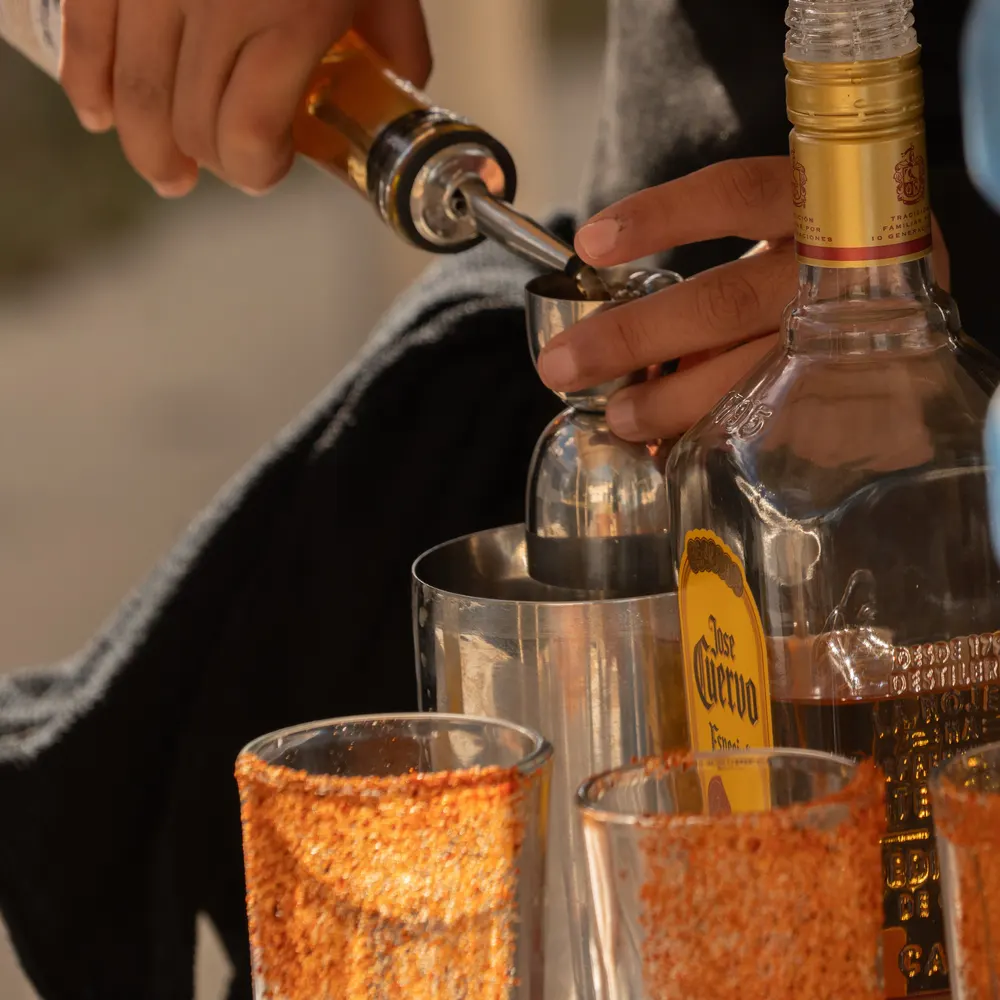
Tequila's production process starts long before distillation — with a plant that can take the better part of a decade to reach harvest. Here's every step from field to bottle.
Step 1: Growing and Harvesting the Agave
Blue Weber agave takes 6–8 years to reach harvest maturity. When ready, a jimador (a skilled agave harvester) uses a coa — a sharp, flat blade on a long pole — to cut away the plant's spiky leaves, revealing the piña: the dense, starchy heart of the plant, which can weigh anywhere from 80 to well over 200 pounds.
Step 2: Cooking the Agave
The harvested piñas are cooked to convert their stored starches (inulin) into fermentable sugars. Traditional producers use brick or masonry ovens (hornos), steaming the agave slowly over one to three days for a more delicate flavour. Larger-scale, more industrial producers often use autoclaves — pressurised steel cookers — which cook the agave far faster, though many enthusiasts consider the traditional slow-oven method to produce a more complex result.
Step 3: Extraction
Once cooked, the softened agave is crushed to extract its sugary juice — traditionally using a tahona (a large stone wheel), though modern mechanical roller mills are now standard for most large-scale production. The extracted juice, called aguamiel or mosto, is what gets fermented.
Step 4: Fermentation
Yeast is added to the agave juice, converting its sugars into alcohol over roughly 2–7 days. Producers may use a cultivated yeast strain for consistency, or rely on wild airborne yeast for a more variable, terroir-driven result — a choice that meaningfully shapes the final spirit's character.
Step 5: Distillation
Tequila must be distilled at least twice, typically in copper pot stills. The first distillation produces a lower-proof, cloudy spirit; the second refines it into the clear, higher-proof spirit that becomes Blanco tequila straight off the still.
Step 6: Ageing (or Not)
From here, the clear spirit either gets bottled immediately as Blanco, or transferred into oak barrels for Reposado (2 months–1 year), Añejo (1–3 years), or Extra Añejo (3+ years) ageing, developing colour and wood-driven complexity the longer it rests.
Why the Process Matters for What You Taste
Nearly every step above is a genuine lever a producer can pull: oven versus autoclave cooking, tahona versus mechanical crushing, cultivated versus wild yeast, and oak ageing length all shape the final character in the glass. A $25 mixto tequila and a $150 hand-crafted 100% agave Añejo aren't just different in price — they typically differ at almost every one of these production steps.
Shop the Collection
Tequila & Mezcal