How Many Dashes of Bitters Should You Actually Use?
By The Aged & Amber Spirits Team
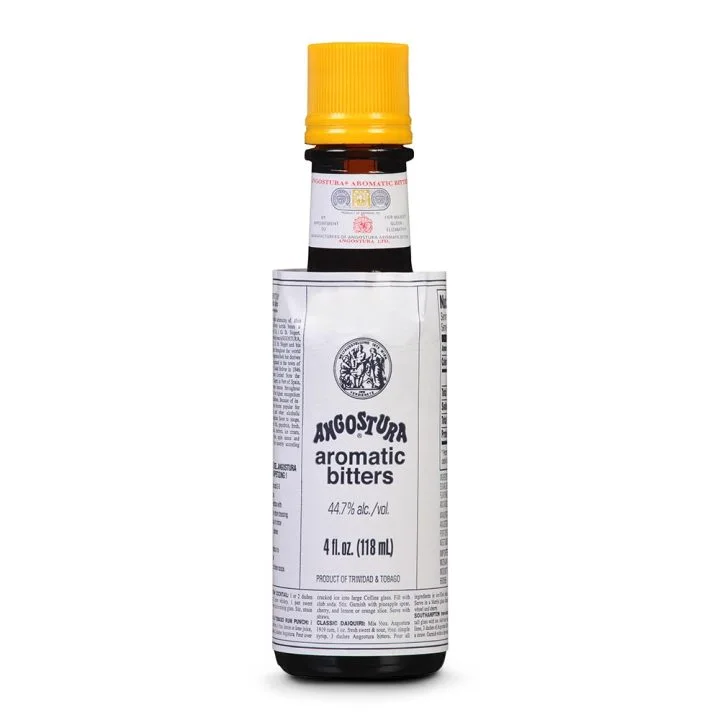
Cocktail recipes routinely call for "2 dashes" or "a few dashes" of bitters without much further explanation — here's what that actually means and how to get it right.
What a "Dash" Actually Is
A dash refers to the amount of liquid that comes out of a bitters bottle's built-in dasher top with one firm shake, typically estimated at somewhere between 1/32 and 1/8 of a teaspoon — a genuinely tiny, imprecise-by-design measurement that professional bartenders rely on through practiced consistency rather than exact measuring tools.
Standard Dash Counts in Classic Recipes
Most classic cocktail recipes call for somewhere between 1 and 4 dashes of a given bitters, depending on the drink: an Old Fashioned typically uses 2-3 dashes of Angostura, a Manhattan often uses 1-2 dashes, and a Sazerac's Peychaud's component is also usually in the 2-4 dash range.
Why Precision Matters Less Than Consistency
Because dashes are inherently imprecise, what matters more than hitting an exact number is being consistent within your own bartending — if 3 dashes from your specific bottle produces a drink you like, that's the right amount for you, regardless of whether another bartender's bottle delivers a slightly different volume per dash.
Can You Over-Bitter a Drink?
Yes — because bitters are so concentrated, adding significantly more than a recipe calls for can genuinely overwhelm a cocktail, making it taste unbalanced or overly medicinal rather than complex. This is why recipes specify a range rather than leaving the amount entirely to guesswork.
Building Your Own Palate for This
The best way to understand proper bitters dosing is making the same cocktail recipe multiple times with slightly different dash counts and tasting the difference directly — a more effective way to calibrate your own preference than any written guide alone, since bottle dasher-top flow rates genuinely vary somewhat between brands.
Shop the Collection
Bar Essentials