How to Pronounce Champagne Brand Names: Moët, Veuve Clicquot, Taittinger & More
By The Aged & Amber Spirits Team
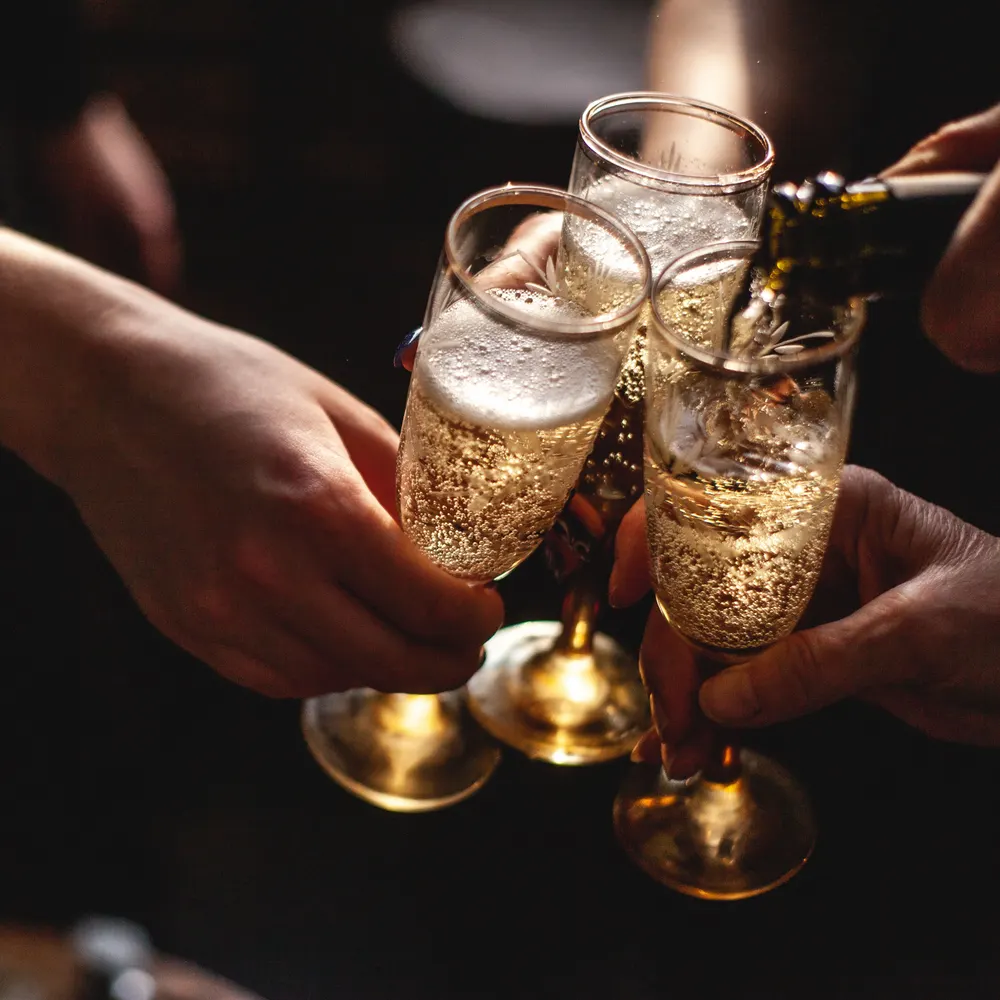
Champagne house names are among the most commonly mispronounced in all of wine, largely because they combine French spelling conventions unfamiliar to most English speakers.
Moët & Chandon
Pronounced "mo-ET ay shahn-DOHN." A genuinely tricky one: the "t" in "Moët" is actually pronounced (unlike most French final consonants), a quirk tied to the founding family's Dutch-influenced surname rather than standard French pronunciation rules.
Veuve Clicquot
Pronounced "vuhv klee-KOH." "Veuve" means "widow" in French, referencing Barbe-Nicole Ponsardin, the widow who took over and expanded the house after her husband's death — a genuinely significant figure in Champagne history in her own right.
Taittinger
Pronounced "TAY-tan-zhair" (or more closely "teh-tan-ZHAY" in French). The "g" combination produces a soft "zh" sound rather than a hard English "g," a common trip-up point.
Perrier-Jouët
Pronounced "peh-ree-AY zhoo-EHT." Both parts of the hyphenated name drop their expected final consonant sounds in classic French style.
Ruinart
Pronounced "rwee-NAR" — the oldest established Champagne house, founded in 1729, with a name that trips people up mainly due to the "ui" vowel combination.
Bollinger
Pronounced "BOH-lan-zhay" in French style, though widely anglicized to "BOL-in-jer" in everyday English use — a case where the anglicized pronunciation has become broadly accepted rather than incorrect.
The Practical Takeaway
Even wine professionals sometimes default to anglicized pronunciations for practical, everyday communication — knowing the more authentic French pronunciation is useful and impressive, but don't feel obligated to force it in casual conversation if the anglicized version is more widely understood in context.
Shop the Collection
Champagne & Sparkling Wine