Irish Whiskey vs. Scotch vs. Bourbon: The Real Differences
By The Aged & Amber Spirits Team
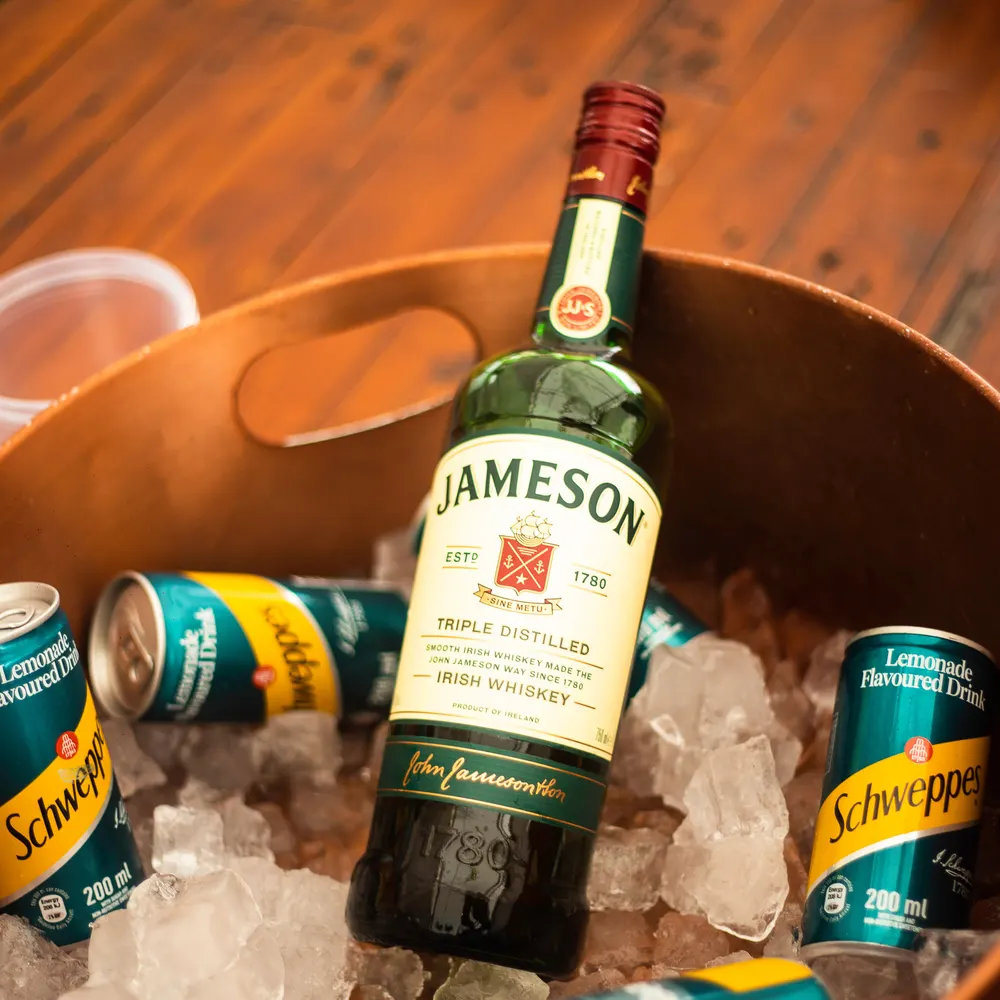
Irish whiskey often gets discussed only in relation to Scotch or bourbon rather than on its own terms. Here's how it genuinely compares to both.
Distillation: The Biggest Technical Difference
Traditional Irish whiskey is famous for triple distillation, compared to Scotch's typical double distillation. Each additional distillation pass produces a lighter, smoother spirit by removing more heavier congeners — a major reason Irish whiskey has a reputation for being gentler and more approachable than many Scotch styles. (Note: not every Irish whiskey is triple-distilled, and not every Scotch is double-distilled — but it remains the traditional convention associated with each.)
Grain Rules
Bourbon requires at least 51% corn. Scotch single malt requires 100% malted barley. Irish whiskey has more flexibility, encompassing blended whiskey, single malt, single grain, and the uniquely Irish single pot still style (malted plus unmalted barley) — meaning "Irish whiskey" covers more internal stylistic variety than either bourbon or single malt Scotch alone.
Geography
Bourbon can be made anywhere in the US. Scotch must be made in Scotland. Irish whiskey must be distilled and aged for a minimum of three years on the island of Ireland (which includes both the Republic of Ireland and Northern Ireland).
Barrel Rules
Bourbon requires new charred oak barrels every time. Both Scotch and Irish whiskey typically use previously used barrels — often the same ex-bourbon casks, since American bourbon's mandatory new-barrel rule creates a steady global supply of used barrels for both Scottish and Irish producers.
Flavor Profile Generalizations
Bourbon tends toward sweeter, bolder, vanilla-and-caramel-forward flavors from its corn base and new oak. Scotch spans a wider range from delicate and floral to intensely smoky and peated. Irish whiskey generally sits toward the smoother, lighter, more approachable end of the spectrum — though single pot still expressions specifically break that generalization with real spice and body.
Which Should You Choose?
If you want a gentle, approachable introduction to whiskey broadly: Irish whiskey's typical smoothness is genuinely beginner-friendly. If you want bold sweetness: bourbon. If you want the widest stylistic range, including smoky options: Scotch. All three reward deeper exploration once you understand what actually separates them beyond just geography.
Shop the Collection
Irish Whiskey