Is Non-Alcoholic Wine Good (or Bad) for You?
By The Aged & Amber Spirits Team
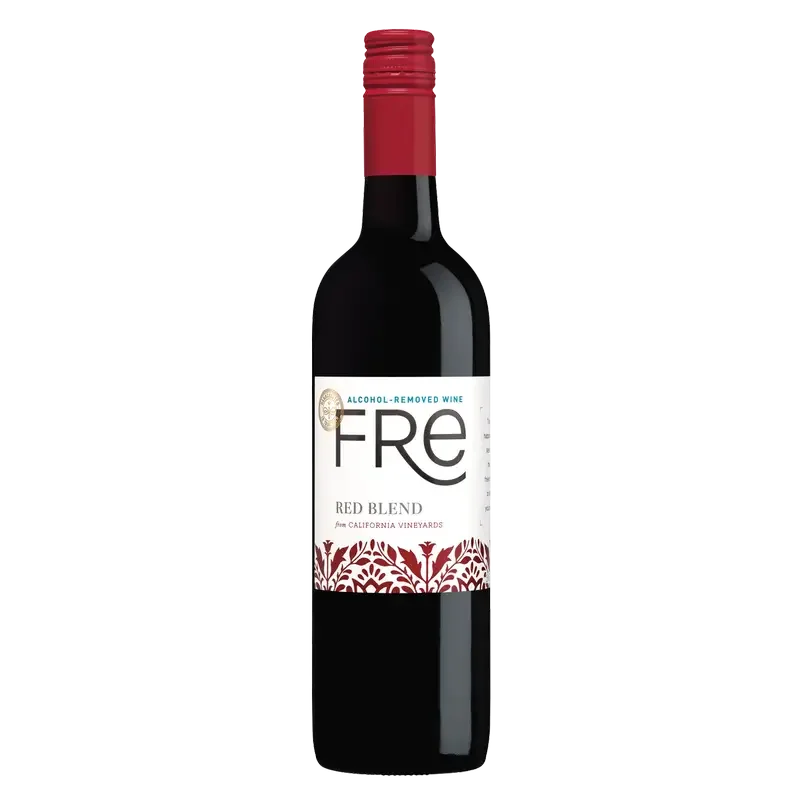
This question deserves a genuinely careful answer, avoiding both dismissive skepticism and overstated health marketing claims that sometimes surround the category.
What Non-Alcoholic Wine Actually Removes
The primary health-relevant change from standard wine is the significant reduction in alcohol content — since alcohol itself carries well-documented health considerations at essentially any consumption level, removing most of it is the main relevant difference worth discussing honestly.
What Non-Alcoholic Wine Doesn't Change
Calories and sugar content in non-alcoholic wine can actually be comparable to, or in some cases higher than, standard wine, since removing alcohol (itself a significant calorie source) doesn't automatically make the remaining product low-calorie — worth checking nutrition labels rather than assuming "non-alcoholic" automatically means "healthier" in every dimension.
Antioxidants and Other Wine Compounds
Some marketing around non-alcoholic wine emphasizes retained antioxidants (like resveratrol) from the grape itself, since these compounds aren't dependent on alcohol content — however, the health significance of these compounds at typical wine-drinking quantities remains a genuinely debated topic in nutrition science generally, not something specific to non-alcoholic wine.
Avoid Overstating Either Direction
It would be inaccurate to claim non-alcoholic wine is either a "health food" with major benefits, or that it offers no meaningful difference from standard wine — the honest, moderate position is that removing most alcohol content is a real, relevant change for anyone specifically trying to reduce alcohol consumption, without non-alcoholic wine being inherently a broader health tonic.
This Article Is Not Medical Advice
Specific questions about diet, health conditions, and appropriate consumption should be directed to your own doctor or a registered dietitian — this article provides general information, not personalized medical or nutritional guidance.
The Balanced Takeaway
If your specific goal is reducing alcohol intake, non-alcoholic wine is a genuinely relevant tool for that specific purpose. If you're expecting broader health benefits beyond the alcohol reduction itself, check actual nutrition labels rather than assuming marketing claims, and discuss any specific health goals with a qualified professional.
Shop the Collection
Non-Alcoholic Wine
Frequently Asked Questions
Related Articles
Non-Alcoholic EducationDry January and Non-Alcoholic Wine: A Buyer's Guide
3 min readNon-Alcoholic EducationNon-Alcoholic Wine 101: What "Zero Proof," "Alcohol-Removed," and "Dealcoholized" Actually Mean
3 min readNon-Alcoholic Education