Johnnie Walker Labels Ranked: Red, Black, Green, Gold & Blue Explained
By The Aged & Amber Spirits Team
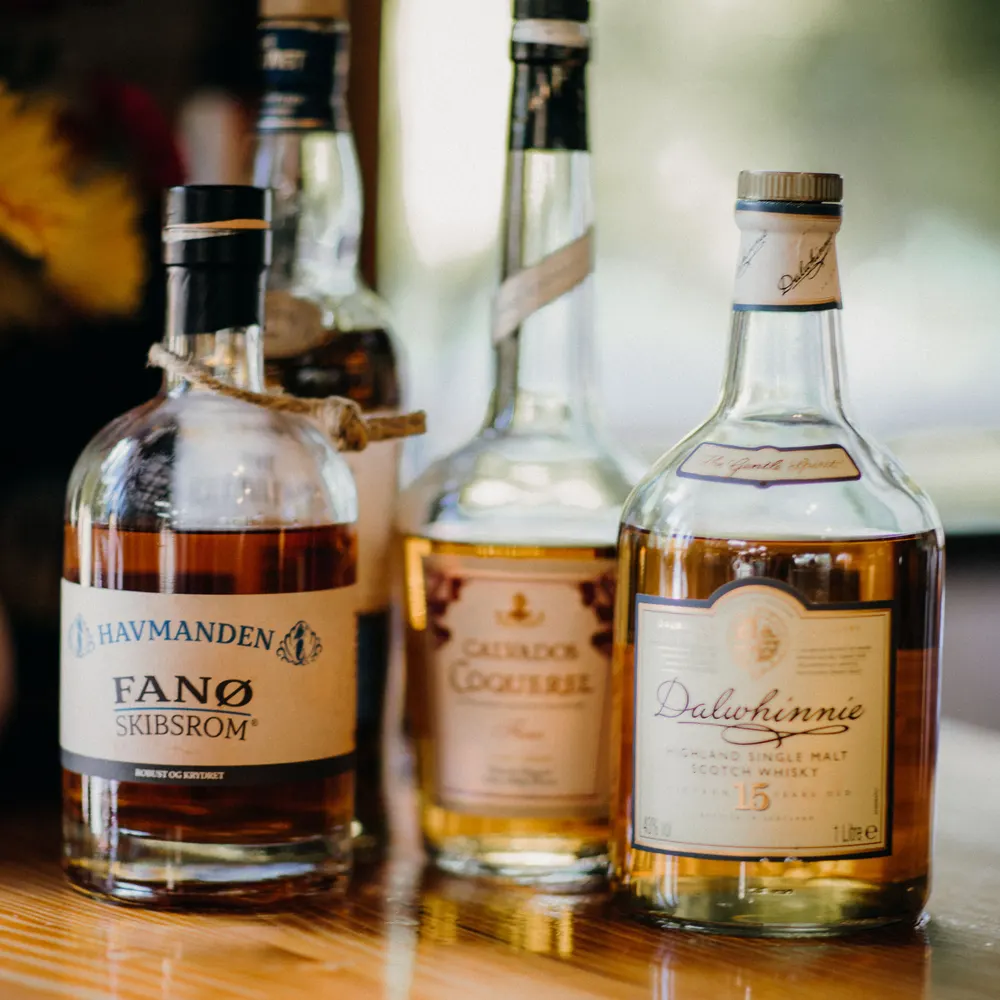
Johnnie Walker's coloured-label system is one of the most recognisable in all of spirits — and also one of the most frequently misunderstood, since the colours signal a mix of age, blend composition, and positioning rather than a single consistent rule.
Red Label
The entry point into the range: a blend built for mixability, with a bolder, spicier profile designed to hold up in cocktails and highballs. No age statement — the youngest, most affordable core expression.
Black Label
Arguably the brand's signature bottling, a blend of whiskies aged a minimum of 12 years from across Scotland's regions, including a meaningful proportion of smoky Islay malt in the blend. Noticeably smoother and more balanced than Red, and the label most associated with "classic Johnnie Walker" flavour.
Double Black
A no-age-statement variant built for a bolder, smokier profile than standard Black Label, using more heavily peated and matured whiskies — positioned for drinkers who want more intensity without moving up to a higher age statement.
Green Label
Distinct from the rest of the range in one important way: it's a blended malt rather than a standard blended Scotch, meaning it contains only single malt whiskies (no grain whisky), aged a minimum of 15 years. This gives Green Label noticeably more depth and character than Red or standard Black.
Gold Label Reserve
A richer, smoother, more celebratory-positioned blend built around a higher proportion of malt whiskies matured in ex-bourbon and sherry casks, aimed at a more indulgent, special-occasion profile than the everyday labels below it.
Platinum Label
Aged a minimum of 18 years, Platinum Label sits between Gold and Blue in the hierarchy — noticeably more refined and complex than Gold, without reaching Blue's ultra-premium positioning or price.
Blue Label
The flagship of the range, blended from exceptionally rare whiskies (including, reportedly, some from closed or "ghost" distilleries no longer in operation) with no fixed age statement, since the blend prioritises rarity and character over a specific minimum age. Individually numbered bottles and premium packaging reflect its positioning as the range's ultra-premium expression.
King George V and Beyond
Above Blue Label sit the brand's most exclusive releases — King George V and other ultra-limited expressions — built for collectors and special commemorative occasions rather than everyday drinking.
A Simple Way to Think About the Hierarchy
Red and Black cover everyday drinking and mixing. Green Label is worth trying specifically because its blended-malt composition tastes meaningfully different from the rest of the range. Gold and Platinum step up in richness and refinement. Blue Label and above are built around rarity and ceremony as much as flavour. Working your way up the range in order is one of the more genuinely educational ways to understand how blending choices — age, malt proportion, cask type — actually shape a whisky's final character.
Shop the Collection
Scotch Whisky