Malbec 101: What Is It?
By The Aged & Amber Spirits Team
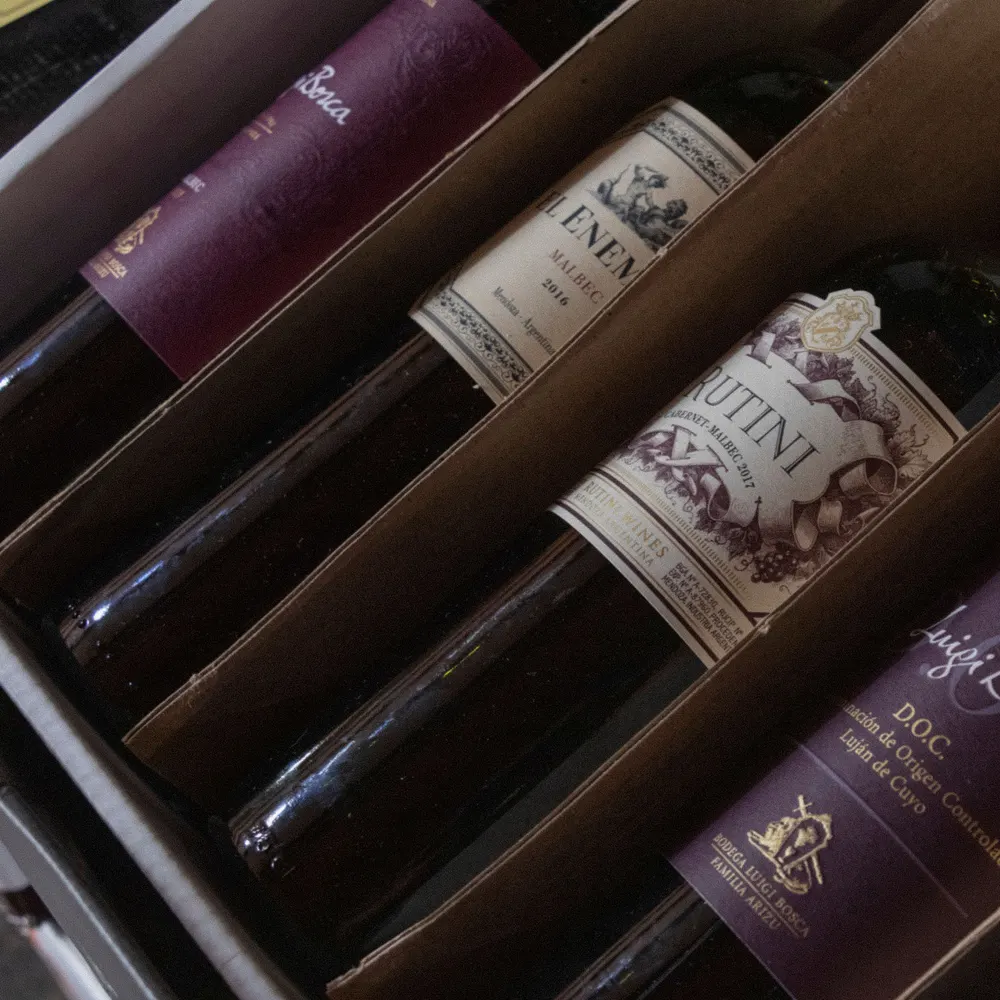
Malbec's modern identity is inseparable from Argentina, even though the grape actually originated in France — a genuinely interesting case of a grape finding its best expression somewhere other than its birthplace.
French Origins
Malbec originated in southwestern France, historically used as one of several blending grapes in Bordeaux wine, generally playing a minor, supporting role rather than standing on its own as a signature variety.
The Argentine Transformation
Malbec was brought to Argentina in the mid-19th century, and the country's high-altitude Mendoza region — with intense sunlight, dramatic day-to-night temperature swings, and well-draining soil — turned out to be exceptionally well-suited to the grape, producing riper, more concentrated, and generally higher-quality Malbec than its French origin typically achieves. Argentina has since built its entire wine identity substantially around Malbec.
Flavor Profile
Argentine Malbec typically shows deep plum, blackberry, and black cherry fruit, often with a distinctive violet floral note and soft, approachable tannins — generally more immediately fruit-forward and less austere than many French reds, part of why it's become such a popular, easy entry point into dry red wine.
Malbec vs. Cabernet Sauvignon in Structure
Malbec generally shows softer tannins than Cabernet Sauvignon, positioning it as a genuinely approachable, food-friendly red without sacrificing real depth and richness — a big part of its broad popularity.
Why It's Worth Trying
Malbec represents a genuinely interesting story in the wine world: a grape that found its true calling in a completely different country than its origin, largely due to climate and terroir rather than winemaking technique alone. If you enjoy approachable, fruit-forward reds, it's one of the most reliably satisfying values in the category.
Shop the Collection
Fine Wine