Mezcal Agave Varietals: Espadín and Beyond
By The Aged & Amber Spirits Team
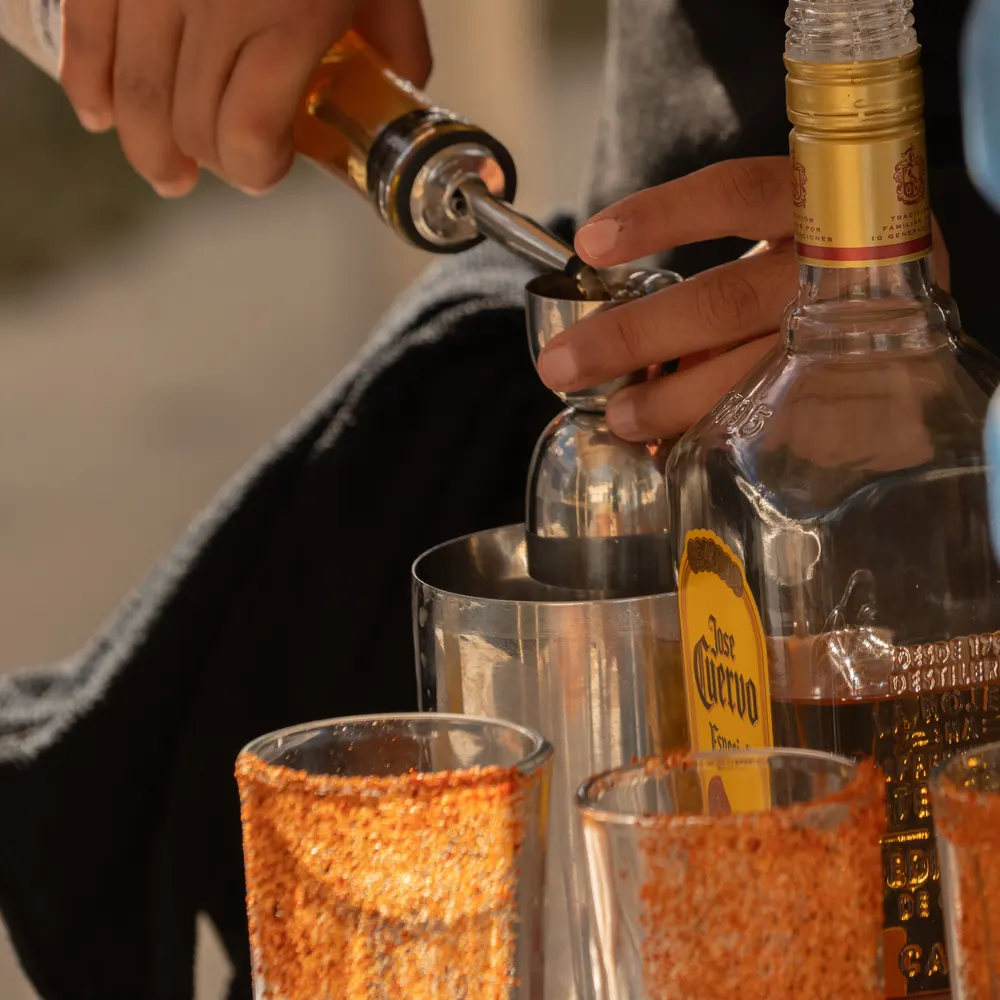
One of the biggest structural differences between tequila and mezcal has nothing to do with region or smoke — it's the agave itself. Tequila must be made exclusively from Blue Weber agave. Mezcal can legally be made from more than 30 different agave varietals, each contributing a genuinely different flavor, and that varietal diversity sits at the center of what makes mezcal, as a category, so distinctive.
Espadín: The Workhorse Varietal
Espadín accounts for roughly 90% of all mezcal production, and for good reason — it's domesticated, relatively fast-maturing (around 6-8 years compared to some wild varietals that take decades), and produces reliable yields, making it the practical backbone of the industry. Flavor-wise, Espadín tends toward a balanced profile: earthy, slightly sweet, with the characteristic smoke from pit-roasting layered over a clean agave backbone. If someone has tried mezcal once, there's a good chance it was Espadín — it's the varietal most mezcal producers build their core range around.
Tobalá: The Wild, Floral Outlier
Tobalá is a wild agave varietal, much smaller than Espadín, that grows primarily in shaded, rocky terrain and has historically resisted large-scale cultivation. Because it can't be farmed at the same scale or speed as Espadín, Tobalá-based mezcal is typically more limited in production and priced accordingly higher. Flavor-wise, it's prized for an intensely floral, almost perfume-like aromatic quality, often described as more delicate and complex than Espadín, with the smoke taking a back seat to the agave's own character.
Tepeztate: The Patience Test
Tepeztate is one of the slowest-maturing agave varietals used in mezcal production, sometimes taking 25 years or longer to reach harvest readiness — a genuinely long commitment for a producer, since the plant has to be left alone in the wild for decades before it can even be used. The resulting mezcal tends to be earthy and vegetal, often with a distinctive minty or herbal quality that sets it apart clearly from both Espadín and Tobalá.
Why This Matters More for Mezcal Than Tequila
Tequila's single-varietal rule means variation between brands comes almost entirely from terroir, production method, and aging — the base ingredient itself is fixed. Mezcal's open varietal rules mean the base ingredient is itself a major variable, on top of all the same production and regional differences tequila has. Two mezcals made by the same producer, same region, same process, but different agave varietals, can taste dramatically different from each other — something that simply isn't possible within tequila's legal framework.
This is a major reason serious mezcal drinkers pay close attention to the agave varietal printed on the label (when it is printed — "Espadín" is the most commonly labeled, since many producers assume it by default when no varietal is named) in a way tequila drinkers generally don't need to.
How to Start Exploring
For a first mezcal, Espadín is the sensible, widely available starting point — it shows the category's core smoky, earthy character without the premium pricing of a wild varietal. From there, a Tobalá bottling is a natural next step to see how much a single varietal change can shift the whole profile toward floral and delicate, while a Tepeztate shows the opposite direction entirely — deeper, slower, more vegetal.
Final Thought
Mezcal's agave diversity is arguably its single biggest point of differentiation from tequila, and it's the reason two bottles labeled "mezcal" from the same region can taste almost nothing alike. Learning to read the varietal on the label is one of the fastest ways to actually predict what's going to be in the glass.
Shop the Collection
Tequila & Mezcal