Red Zinfandel vs. White Zinfandel: How the Same Grape Makes Two Opposite Wines
By The Aged & Amber Spirits Team
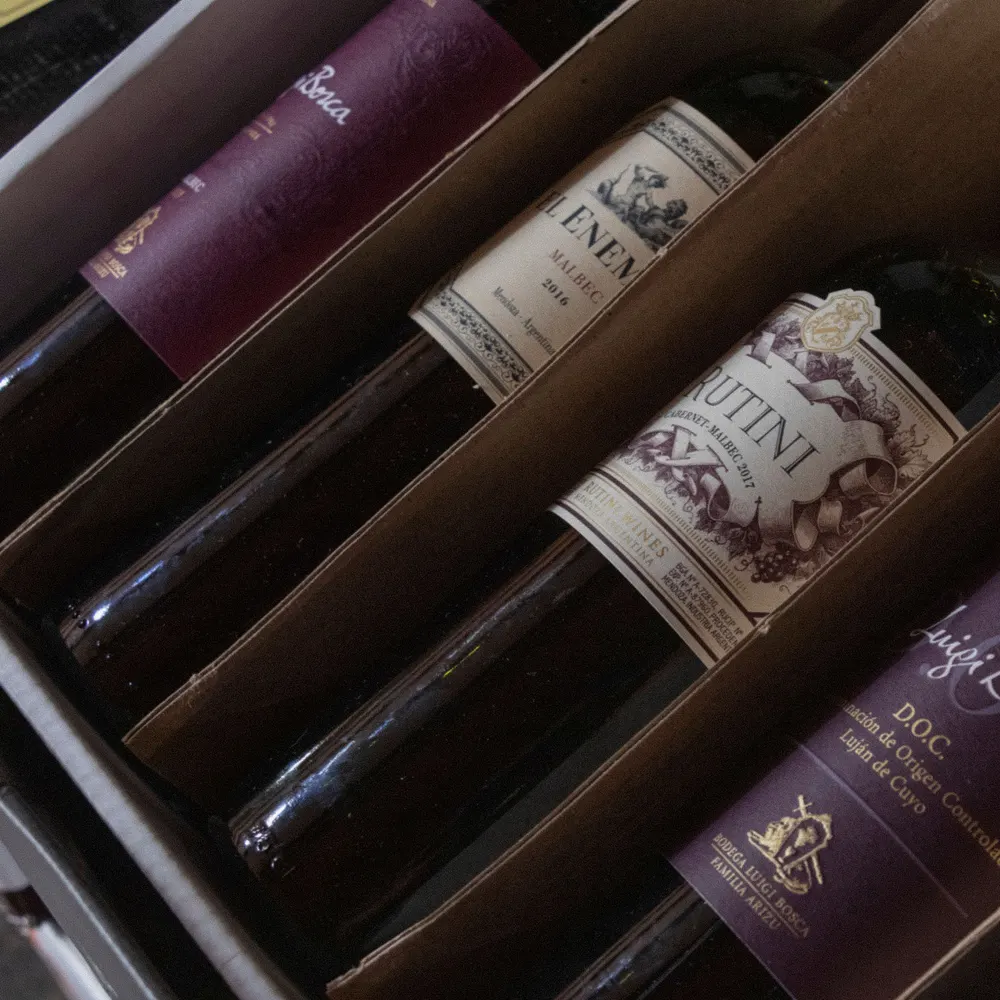
Red Zinfandel and White Zinfandel come from the exact same grape, yet represent almost opposite ends of the wine spectrum in style, sweetness, and reputation.
The Same Grape, Two Different Processes
Red Zinfandel is made the standard way for red wine: crushed grapes ferment with their skins in contact, extracting color, tannin, and deep fruit character. White Zinfandel is made by removing the skins early in the process (a technique similar to how rosé is often made), resulting in a pale pink wine with minimal tannin extraction.
White Zinfandel's Accidental Origin
White Zinfandel's popularity traces to a genuinely accidental discovery in the 1970s: a winemaker's stuck fermentation (where yeast activity stopped before all the sugar converted to alcohol) left unexpected residual sweetness in what was meant to be a dry pink wine — the sweeter result proved unexpectedly popular with consumers and became an intentional, mass-produced style from then on.
Flavor Comparison
Red Zinfandel is dry, full-bodied, and jammy, with black and blue fruit character and notably high alcohol. White Zinfandel is sweet, light-bodied, and simple, with strawberry and melon notes — genuinely closer to a sweet, casual sipper than to any red wine's flavor profile.
Why White Zinfandel Gets a Mixed Reputation
Among serious wine enthusiasts, White Zinfandel is sometimes viewed dismissively as an overly simple, mass-market product — though it remains genuinely popular and serves as a real entry point for many casual and new wine drinkers who prefer a sweeter style.
Are They Interchangeable?
Not remotely — despite sharing a grape name, Red and White Zinfandel serve completely different roles and appeal to completely different preferences. Recommending one to someone who wants the other would produce a jarring mismatch, since they represent nearly opposite wine styles built from identical fruit.
The Bigger Lesson
Like the Primitivo/Zinfandel genetic story, Red vs. White Zinfandel demonstrates just how much winemaking technique — not just grape variety — determines a finished wine's ultimate character.
Shop the Collection
Fine Wine