Scotch Whisky Regions Explained: Speyside, Islay, Highland & More
By The Aged & Amber Spirits Team
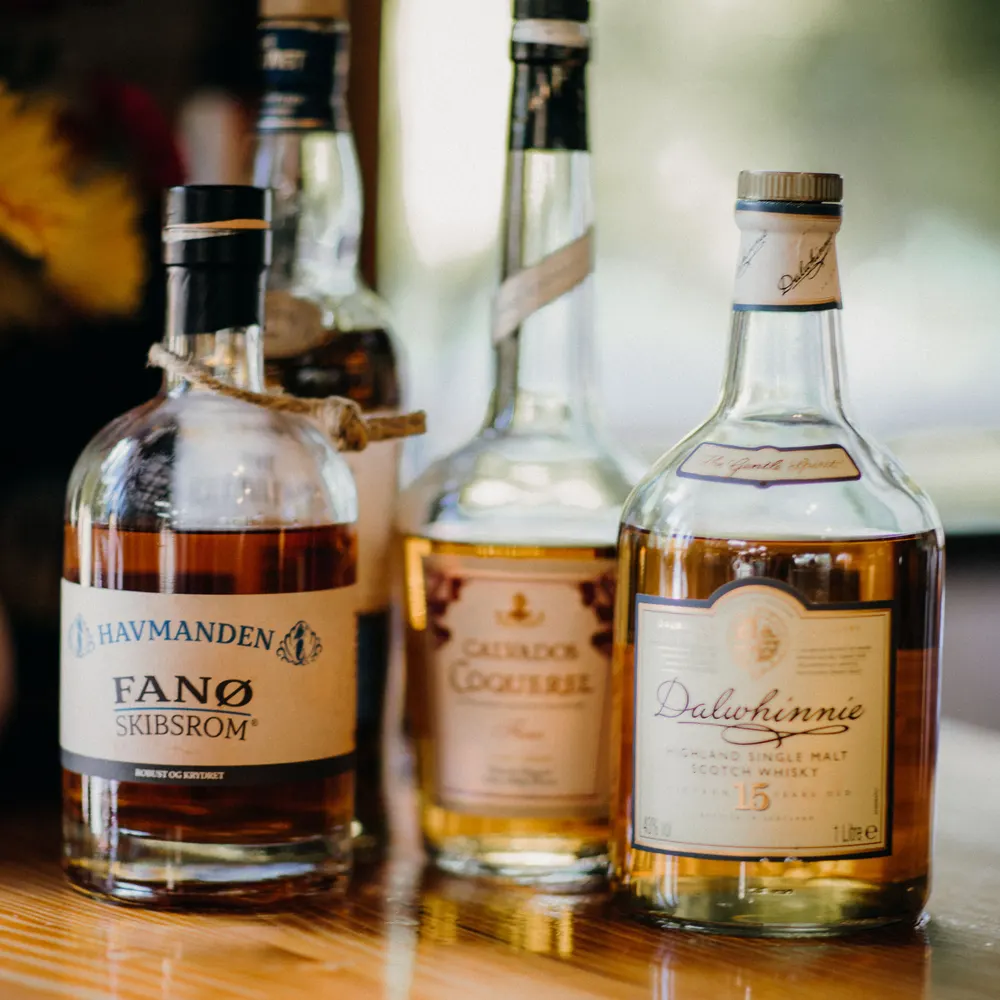
Scotland's whisky-producing regions are as much a matter of history and tradition as strict geography — but for over a century, drinkers and distillers alike have used them as a shorthand for flavour. Here's what each region actually tends to taste like, and why.
Speyside
Speyside is Scotland's most concentrated whisky-producing region, packed with more distilleries — including some of the world's best-known names — than anywhere else in the country, all clustered around the River Spey in northeast Scotland.
Typical profile: Fruity, floral, and elegant, often with honeyed sweetness and sherry-cask influence. Generally the lightest and most approachable of the mainland regions, which is a large part of why Speyside single malts dominate global sales.
Notable distilleries: The Macallan, Glenfiddich, The Glenlivet, Aberlour, GlenDronach, Balvenie.
Islay
Islay (pronounced "EYE-luh") is a small island off Scotland's west coast, and the undisputed home of peated Scotch. Barley for Islay whisky is traditionally dried over peat fires, and the resulting smoke compounds survive fermentation and distillation into the finished spirit.
Typical profile: Intensely smoky, medicinal, and maritime — often described as tasting of iodine, seaweed, and bonfire smoke. Not every Islay whisky is heavily peated (Bruichladdich's Classic Laddie is a notable unpeated exception), but the region is defined by the style.
Notable distilleries: Laphroaig, Ardbeg, Lagavulin, Bruichladdich, Bowmore.
Highland
The largest and most geographically diverse of Scotland's regions, stretching from the northern coast down to the edges of the central belt. Because it covers so much ground, "Highland" character varies enormously — coastal Highland malts can show maritime, lightly smoky notes, while inland expressions lean fuller-bodied and richer.
Typical profile: No single dominant style — ranges from light and floral to rich, dried-fruit-driven, and lightly smoky, depending on where within the Highlands a distillery sits.
Notable distilleries: Highland Park, Dalmore, Oban, GlenDronach (sometimes also classed as Highland).
Lowland
The Lowlands cover southern Scotland, and traditionally produce the lightest, most delicate style of Scotch — a legacy of the region's historical focus on triple distillation (like Irish whiskey) rather than the double distillation used almost everywhere else in Scotland.
Typical profile: Light, floral, grassy, and gentle — often cited as an easy entry point for drinkers new to Scotch.
Notable distilleries: Auchentoshan, Glenkinchie.
Campbeltown
Once one of the most important whisky-producing towns in the world — home to over 30 distilleries in the late 19th century — Campbeltown nearly vanished as a whisky region entirely by the mid-20th century. Today it survives almost entirely thanks to Springbank, one of the few distilleries left in Scotland that still performs every step — malting, distilling, and maturing — on-site.
Typical profile: Often described as briny, slightly oily, and complex, sitting stylistically between Highland and Islay.
Notable distilleries: Springbank, Glen Scotia — with only three working distilleries left, Campbeltown is Scotland's smallest official whisky region by a wide margin.
Do Regions Still Matter?
Modern distilling technique, cask sourcing, and individual house style mean regional character is a far less reliable predictor than it was a century ago — a distillery can and often does produce whisky that defies its region's stereotype. But regions remain a genuinely useful starting point for exploring Scotch: if you know you love Islay's smoke, you have a whole region of similarly styled whisky to explore. If you're not sure where to start, Speyside remains the safest, most broadly appealing entry point into single malt Scotch.
Shop the Collection
Scotch Whisky