Single Malt Whiskey Guide: What It Means and Why It Matters
By The Aged & Amber Spirits Team
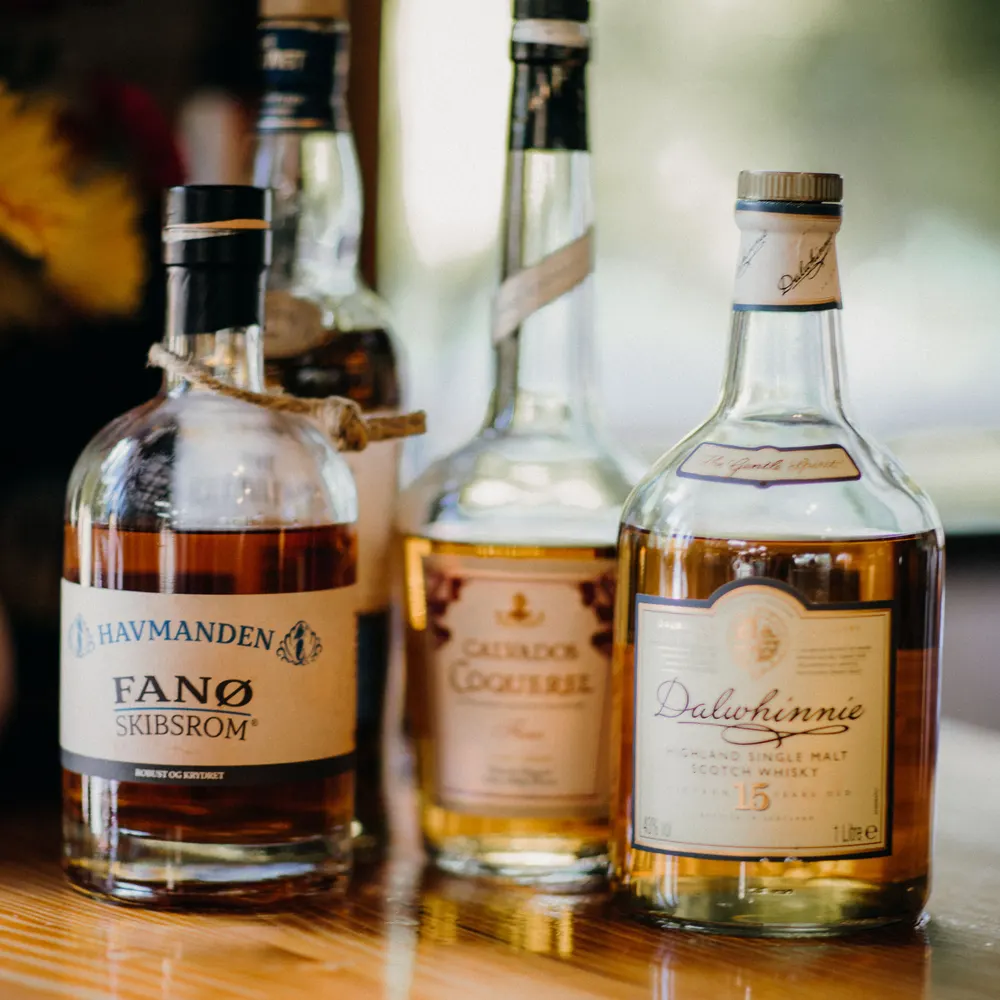
"Single malt" is one of the most-used and least-understood terms in whiskey. It doesn't refer to a flavour profile, an age, or a quality tier — it refers to two very specific facts about how the whiskey was made.
What "Single Malt" Actually Means
"Single" means the whiskey came from one distillery — not blended with whiskey made anywhere else.
"Malt" means it was distilled entirely from malted barley — barley that has been soaked, allowed to partially germinate, then dried, a process that unlocks the grain's fermentable sugars.
Put together: single malt whiskey is 100% malted barley, made at one distillery, in pot stills. It can still be a blend of multiple barrels or even multiple age statements from that one distillery — "single" refers to the distillery, not the barrel.
Single Malt vs Blended Whiskey
Blended whiskey (blended Scotch, blended Irish whiskey) combines whiskies from multiple distilleries — often mixing malt whiskey with lighter, cheaper grain whiskey — to hit a specific, consistent, repeatable flavour profile at a lower cost. Single malt is generally positioned as the more prestigious, distillery-specific expression, though a well-made blend is not automatically inferior — it's simply built for a different goal: consistency across a huge annual volume rather than showcasing one distillery's individual character.
Single Malt Scotch
Scotland's single malt rules are the strictest and best-known: malted barley only, one distillery, pot still distillation, and a minimum of three years' maturation in oak casks in Scotland. This is the category that made "single malt" a household term — The Macallan, Glenfiddich, and The Glenlivet are among the best-selling examples worldwide.
Single Malt Irish Whiskey
Ireland's single malt category follows the same core logic — 100% malted barley, one distillery — but is typically triple distilled (versus double distillation for most Scotch), producing a lighter, smoother spirit.
American Single Malt
The newest single malt category, formally recognised by US regulators only in 2025. American producers aren't bound by Scotch's rules on cask type or peating level, giving the young category unusually wide stylistic range — from delicate, unpeated expressions to heavily smoked ones that rival Islay Scotch.
Why "Single Malt" Isn't a Quality Guarantee
A single malt is not automatically better than a well-made blend, and single malt from one distillery is not automatically better than single malt from another. The term guarantees a production method and a single point of origin — not a specific flavour, age, or price point. Understanding that distinction is the difference between choosing a whiskey based on marketing versus choosing one based on what's actually in the bottle.
Shop the Collection
Bourbon Whiskey