Types of Gin: London Dry, Plymouth, Old Tom & More Explained
By The Aged & Amber Spirits Team
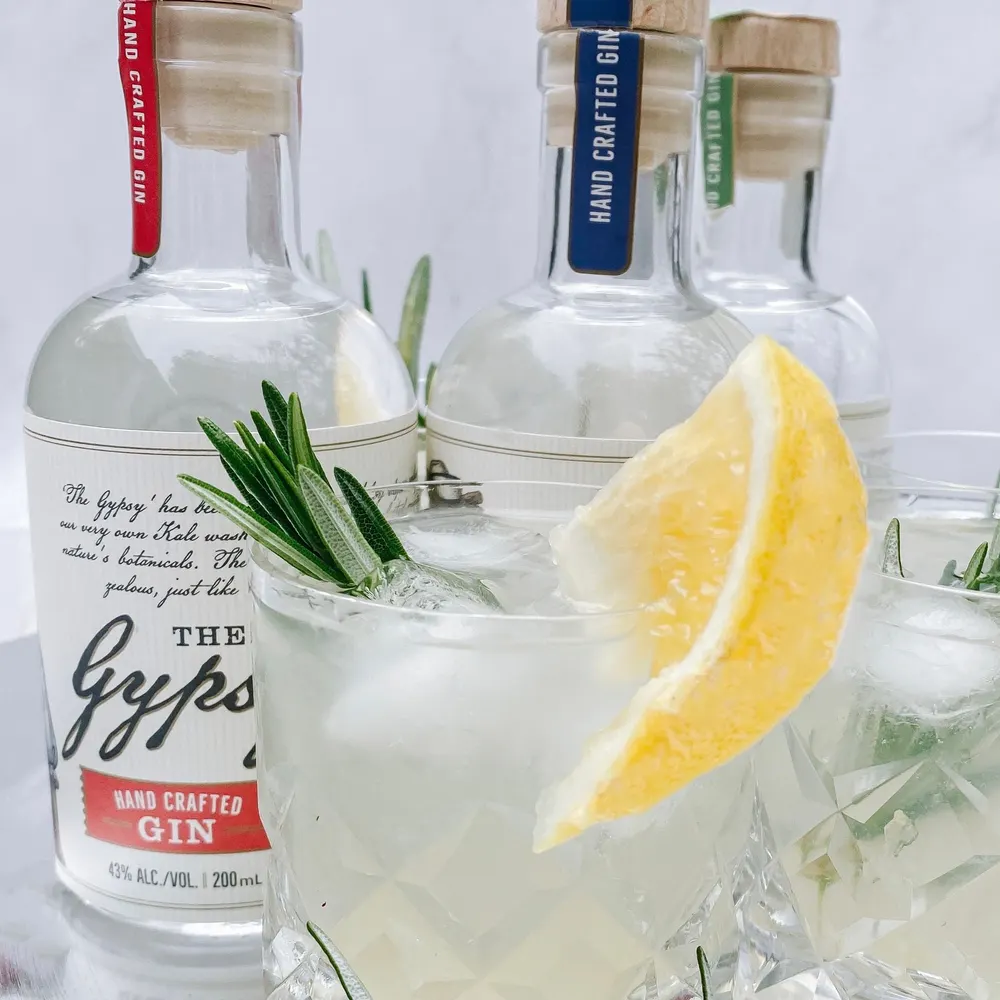
Gin is defined by one requirement above all others — a predominant juniper flavour — but within that single rule sits a surprisingly wide range of production styles and historical traditions.
The Basic Definition
Gin is a spirit redistilled or infused with botanicals, with juniper required to be the predominant flavour. Beyond that core requirement, individual styles diverge considerably in production method, additional botanicals, and geographic origin.
London Dry Gin
Despite the name, London Dry is a production method, not a location — it can legally be made anywhere in the world. The requirement is that all botanicals must be added during distillation, with no artificial flavouring or colouring added afterward, and it must be bottled at a minimum 37.5% ABV. This produces gin's crispest, most juniper-forward, classic style — Tanqueray and Beefeater are archetypal examples.
Plymouth Gin
A protected geographical designation tied specifically to the city of Plymouth, England — currently produced by only one distillery. Plymouth gin uses a higher proportion of root botanicals relative to citrus, producing a slightly earthier, less astringent profile than a typical London Dry.
Old Tom Gin
A historical style, slightly sweetened compared to London Dry, that fell out of favour for much of the 20th century before a recent revival driven largely by classic cocktail enthusiasts researching pre-Prohibition recipes. Many 19th-century cocktail recipes calling simply for "gin" were originally written with Old Tom in mind, not the drier London Dry style that later became standard.
Genever (Dutch Gin)
Gin's direct historical ancestor, genever is made from a malted grain base (closer to a light whiskey) infused with juniper and other botanicals — considerably maltier and less crisply dry than modern London Dry gin. Genever is technically a distinct spirits category from gin under EU law, though it's gin's clear stylistic and historical predecessor.
Contemporary (New Western) Gin
A looser, modern category that still requires juniper presence but allows other botanicals to share the spotlight more equally — citrus, floral, or even fruit-forward gins fall here. Hendrick's (rose and cucumber) and Empress 1908 (butterfly pea flower) are well-known examples of this more experimental approach.
Navy Strength Gin
Not a separate flavour category but a proof designation — bottled at a minimum 57% ABV (114 proof), a nod to the historical claim that gin at this strength wouldn't prevent gunpowder from igniting if accidentally spilled aboard a ship. Navy strength gin delivers noticeably more intensity and is often used specifically in cocktails where dilution needs to be counteracted.
Choosing a Style
- Classic, juniper-forward martinis and G&Ts: London Dry.
- Something historically accurate for pre-Prohibition cocktails: Old Tom.
- Exploring gin's malty origins: Genever.
- Modern, botanical-forward, sippable on its own: contemporary/New Western gin.
- Maximum intensity for a stirred cocktail: Navy Strength.
Understanding these categories turns gin from "juniper spirit, mostly interchangeable" into a genuinely wide-ranging category worth exploring style by style, the same way whiskey or tequila rewards deeper attention.
Shop the Collection
Artisanal Gin