Types of Tequila: Blanco, Reposado, Añejo & Extra Añejo Explained
By The Aged & Amber Spirits Team
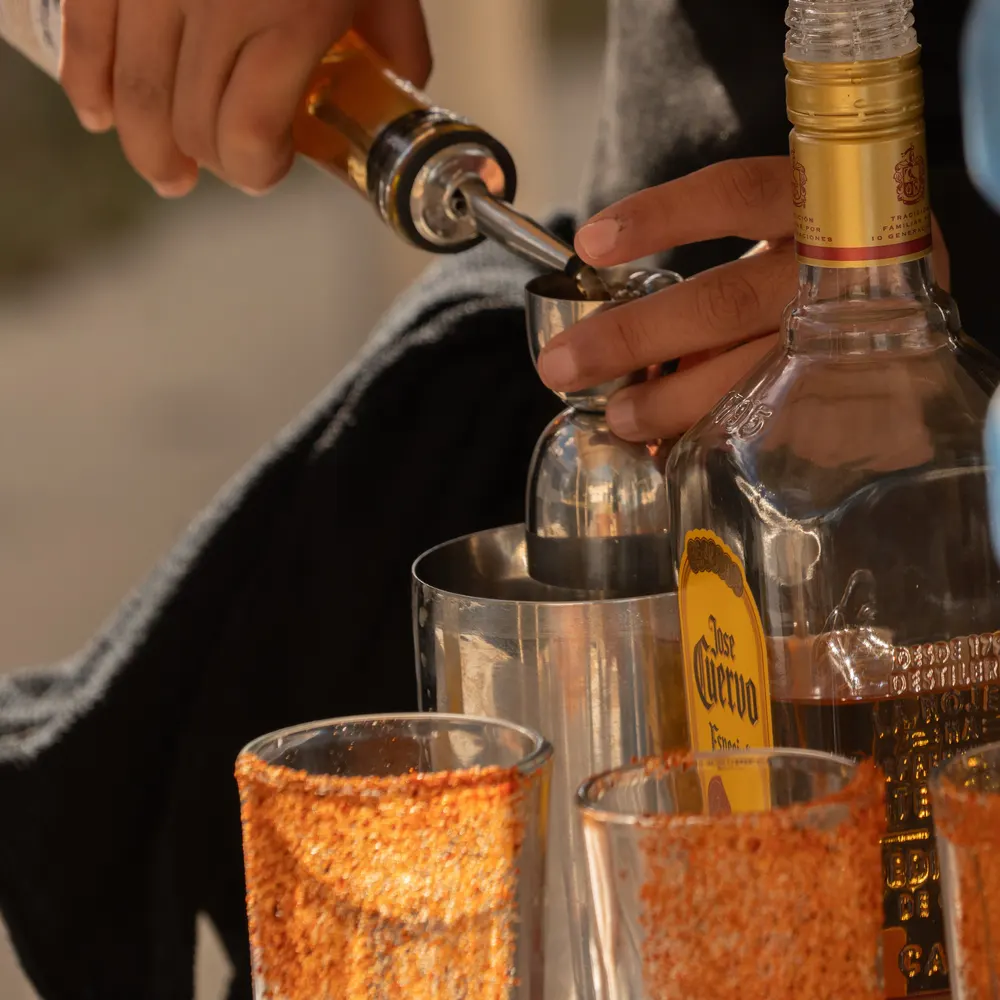
Tequila is defined first by what it's made from — 100% blue Weber agave, grown in designated regions of Mexico — and then, within that, by how long (if at all) it rests in oak. Understanding the ageing categories is the key to understanding tequila's full range, from bright and vegetal to rich and cognac-like.
What Legally Makes Tequila, Tequila
Tequila must be produced from the blue Weber agave plant (Agave tequilana), grown almost entirely in the state of Jalisco and small designated zones in four neighbouring states. The agave is harvested (a mature plant takes 6–8 years to reach harvest weight), cooked to convert its starches to fermentable sugars, fermented, and distilled at least twice.
"100% agave" on the label means every drop of sugar came from blue Weber agave. Tequila without that designation — labelled simply "tequila" — is legally permitted to be a "mixto," blending a minimum of 51% agave sugars with other fermentable sugars, typically producing a harsher, less complex spirit.
Blanco (Silver / Plata)
Blanco tequila is bottled unaged, or rested in stainless steel or neutral oak for less than two months. It is the purest expression of the agave itself — bright, vegetal, peppery, and often slightly sweet. Blanco is the traditional base for a margarita, but premium blanco is increasingly sipped neat by enthusiasts who want to taste the agave unmasked by wood.
Reposado
Reposado means "rested." It must be aged in oak barrels for a minimum of two months and up to one year. The oak softens the spirit's sharper edges and adds a light gold colour along with vanilla and light caramel notes — while the agave character remains clearly present underneath. Reposado is often described as the most versatile tequila style, equally suited to sipping and mixing.
Añejo
Añejo ("aged") spends one to three years in oak, developing a deep amber colour and richer notes of caramel, dried fruit, chocolate, and baking spice. Añejo is generally considered sipping-grade tequila — the extended barrel time builds real complexity, similar in spirit to how age-stated whiskey is treated.
Extra Añejo
The newest and oldest legally defined category, established in 2006, Extra Añejo requires a minimum of three years in oak. The results are often compared to fine cognac or aged whiskey — dark, dense, and layered, with the agave character receding well behind the wood influence. Because of the extended ageing and correspondingly higher cost, Extra Añejo represents tequila's ultra-premium tier.
Cristalino
Cristalino is a more recent stylistic innovation rather than a formal legal ageing category: an Añejo or Extra Añejo tequila that is charcoal-filtered after ageing to strip out the colour (and some of the heavier wood tannins) while retaining much of the aged complexity underneath. The result looks like a Blanco but drinks with far more depth — a genuinely distinctive style bridging the two ends of the tequila spectrum.
Mezcal: Tequila's Broader Cousin
Mezcal is not a type of tequila — it's the wider category tequila itself belongs to. While tequila is restricted to blue Weber agave from designated regions, mezcal can be made from over 30 agave varieties across a broader area of Mexico, most commonly in Oaxaca. Agave for mezcal is traditionally roasted in earthen pits lined with hot stones rather than steamed or oven-cooked, giving mezcal its characteristic smoky, earthy profile that sets it apart from tequila.
Choosing a Style
- New to tequila, or making margaritas: Blanco.
- Want something equally good sipped or mixed: Reposado.
- Ready for a sipping-grade tequila with real complexity: Añejo.
- Chasing the ultra-premium, cognac-adjacent tier: Extra Añejo.
- Want aged complexity without the dark colour: Cristalino.
- Curious about tequila's smokier cousin: Mezcal.
None of these styles is objectively "better" than another — they're different expressions of the same base spirit, built for different moments. A great bar keeps at least a Blanco and an Añejo on hand, covering both ends of the spectrum.
Shop the Collection
Tequila & Mezcal