What Is a Mocktail? A Complete Guide
By The Aged & Amber Spirits Team
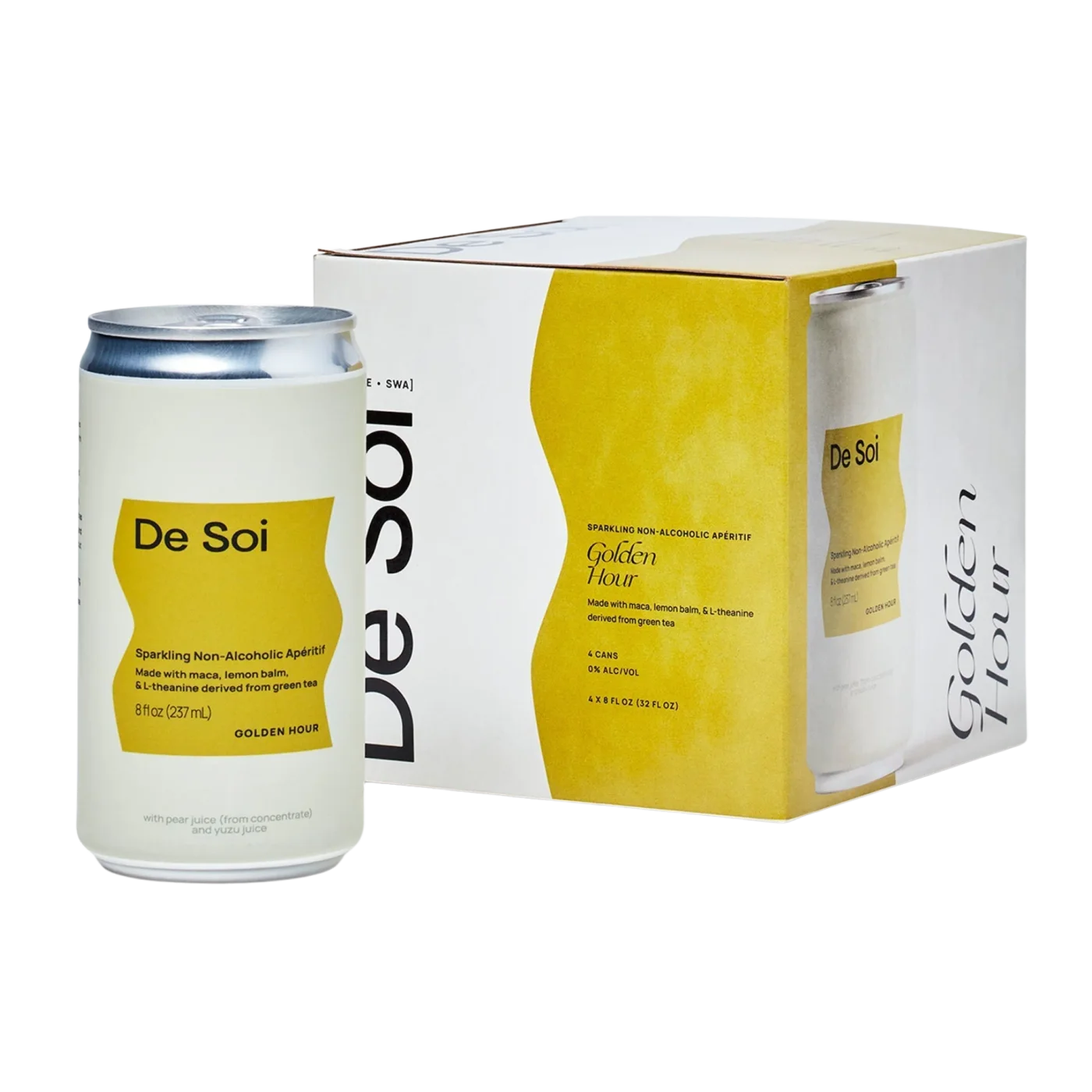
"Mocktail" has shed a lot of its dated, afterthought reputation in the last several years, as bartenders and brands have started treating non-alcoholic drinks with the same care as their alcoholic counterparts. Here's what actually defines the category today.
More Than Just "A Drink Without Alcohol"
A true mocktail is built with the same structural thinking as a classic cocktail — balancing sweet, sour, bitter, and aromatic elements — rather than simply being a soft drink or juice served in a cocktail glass. The difference between a good mocktail and a bad one usually comes down to whether the person making it actually thought about balance, the same way a good Margarita balances tequila, lime, and sweetener rather than just tasting like tequila.
The Building Blocks of a Good Mocktail
- Acid — fresh citrus juice (lime, lemon, grapefruit) provides the brightness that keeps a mocktail from tasting flat or one-dimensional, the same role it plays in an alcoholic cocktail.
- Sweetener — simple syrup, honey syrup, or fruit purée balances the acid; the goal is balance, not maximum sweetness.
- Bitterness or complexity — this is often the missing piece in weak mocktails. Non-alcoholic bitters, strong tea, or a non-alcoholic aperitif/spirit alternative add the layered, slightly bitter backbone that makes a drink feel adult and considered rather than simply sweet.
- Texture and dilution — proper shaking or stirring with ice, just like a real cocktail, matters more than people expect; a mocktail poured flat and undiluted often tastes harsh or cloying.
Ready-Made Options Have Gotten Genuinely Good
You don't have to build every mocktail from scratch. A wave of dedicated non-alcoholic aperitif and canned-cocktail brands now make it possible to pour a genuinely complex, bitter-forward mocktail straight from a bottle or can — often built by the same techniques (botanical infusion, adaptogens, real citrus) used in the DIY approach above, just pre-balanced by a brand's own recipe development.
Common Mocktail Styles
- Spritz-style — a non-alcoholic bittersweet base topped with sparkling water or soda, mirroring the structure of an Aperol Spritz.
- Sour-style — citrus and sweetener shaken hard, mirroring a Whiskey Sour or Daiquiri's structure.
- Mule-style — ginger beer plus citrus over ice, mirroring a Moscow Mule.
- Botanical/herbal — built around a non-alcoholic gin or amaro alternative for a more complex, adult flavor profile.
Why the Category Has Grown So Fast
A meaningful and growing share of drinkers now choose not to drink alcohol on a given night — or ever — for reasons ranging from health, to medication, to simply preference, without necessarily identifying as fully sober. A well-made mocktail lets that choice feel like an upgrade rather than a compromise, which is the real shift the category has made: from an obligatory substitute to a genuinely well-crafted drink in its own right.
Shop the Collection
All Spirits & Zero Proof