What Is Gin Made From? Botanicals, Neutral Spirit & the London Dry Method
By The Aged & Amber Spirits Team
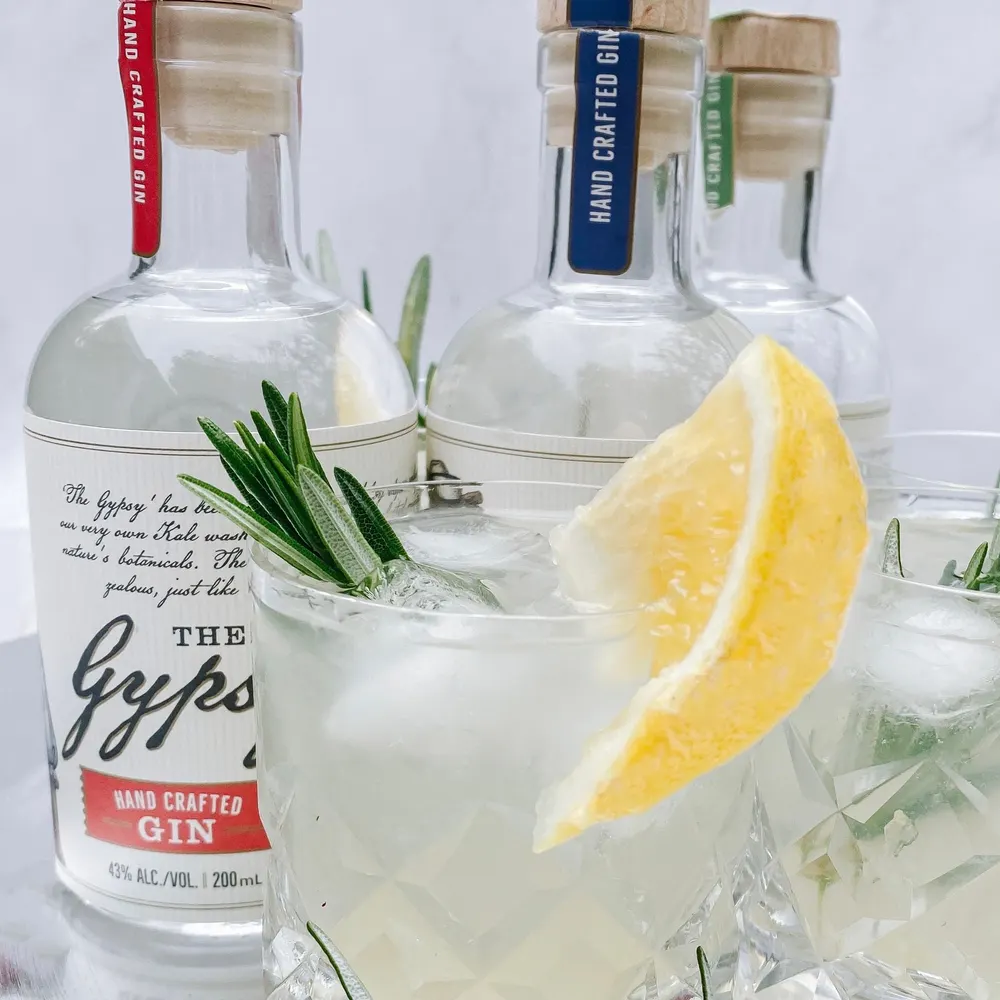
Gin's defining ingredient isn't grain or grape — it's juniper. Every legally recognized gin starts as a neutral spirit and is then flavored with juniper as the dominant botanical, alongside a supporting cast that can run from a handful of ingredients to dozens.
The Base Spirit
Gin begins life as a neutral spirit distilled from grain, grapes, or occasionally other sugars — at this stage it's essentially unflavored, similar to vodka. What happens next is what actually makes it gin.
Juniper, and Everything Else
By legal definition (in both the US and EU), juniper berries must be the predominant flavor in gin. Beyond that baseline, distillers build out a botanical recipe that typically includes:
- Coriander seed — citrusy, slightly spicy, the most common secondary botanical after juniper
- Angelica root — earthy, and thought to help bind the other flavors together
- Citrus peel — orange, lemon, or grapefruit for brightness
- Orris root — floral, and another common binding agent
From there, individual brands add anything from cucumber and rose (Hendrick's) to 47 different botanicals sourced regionally (Monkey 47) to build a distinctive house style.
Three Real Production Methods
Distilled gin (which includes London Dry as its driest, most regulated subcategory) redistills the neutral spirit together with all its botanicals present during distillation. Nothing is added afterward except water, and — for London Dry specifically — a small, tightly limited amount of sugar. This is the classic, juniper-forward style behind a Martini or Gin & Tonic.
Compound gin skips redistillation entirely — botanicals (or their extracted oils) are simply added to a neutral spirit and mixed, similar to how a liqueur is made. It's a faster, cheaper method, generally producing a less integrated, more one-dimensional flavor than distilled gin.
Infused or "distilled and infused" gin — Hendrick's rose and cucumber, for example — redistills the base botanicals as normal, then infuses additional flavorings afterward. This isn't permitted under the stricter London Dry rules, since London Dry allows nothing added post-distillation beyond water and a touch of sugar.
What "London Dry" Actually Means
It's worth clearing up a common misconception: London Dry is a production method, not a place. A London Dry gin can legally be distilled anywhere in the world — Beefeater is a rare exception that's actually still made in London — as long as it follows the method: all botanicals present during distillation, nothing added afterward, and a minimum 37.5% ABV.
Why This Matters When You're Choosing a Bottle
A London Dry will always taste crisp and juniper-forward by design. A compound gin can taste flatter or more artificial, since the botanicals were never redistilled into the spirit. And an infused gin like Hendrick's sits in its own lane — botanically distilled, but deliberately outside London Dry's stricter rules, which is exactly what gives it room for its rose-and-cucumber signature.
Shop the Collection
Artisanal Gin