What Is Irish Whiskey? The Legal Rules and What Makes It Unique
By The Aged & Amber Spirits Team
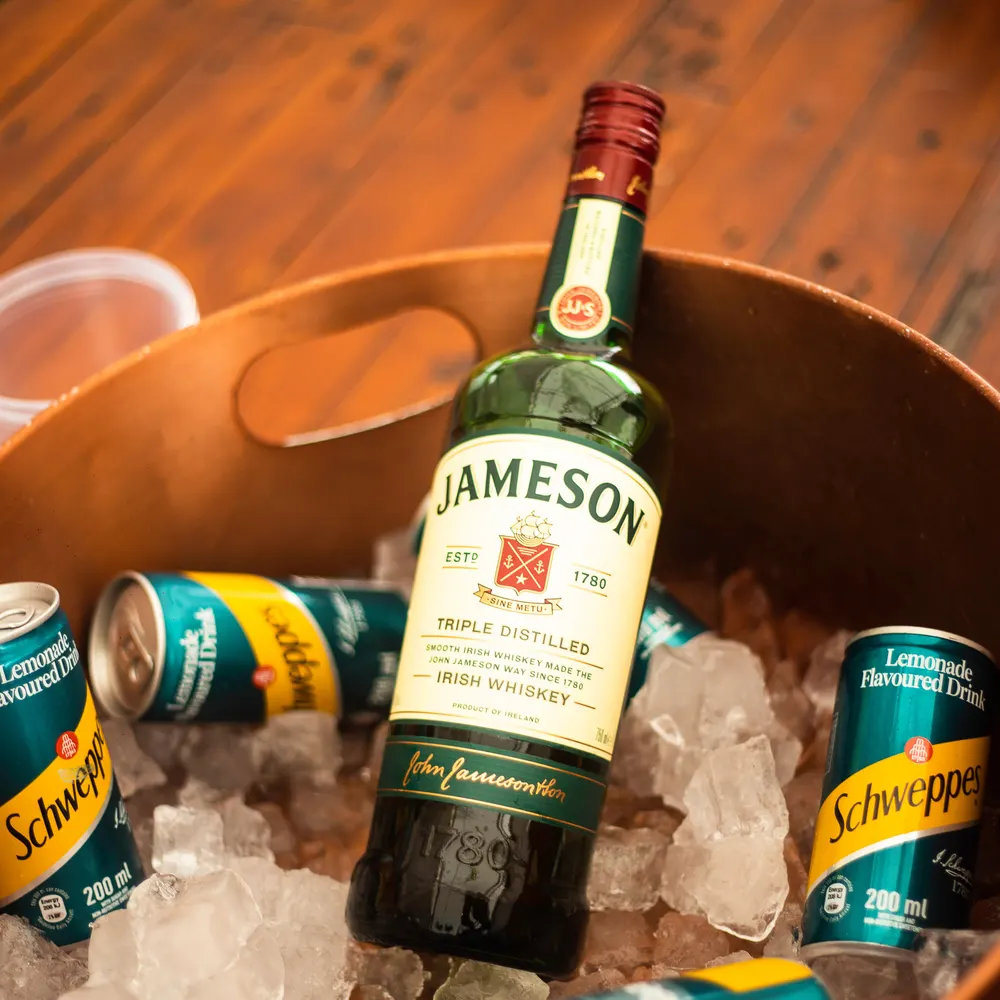
Irish whiskey is one of the world's oldest whiskey traditions — Ireland is widely credited as the birthplace of whiskey distillation itself — and it has its own distinct legal framework, separate from both Scotch and American whiskey.
The Legal Definition
To be called Irish whiskey, a spirit must be:
- Distilled on the island of Ireland (which includes both the Republic of Ireland and Northern Ireland) from a mash of malted cereals, with or without whole grains of other cereals.
- Distilled to an alcoholic strength of less than 94.8% ABV.
- Matured in wooden casks (typically oak) on the island of Ireland for a minimum of three years.
- Bottled at no less than 40% ABV.
The Four Legal Styles
- Single malt Irish whiskey — 100% malted barley, one distillery, similar to Scotch single malt but typically triple distilled.
- Single pot still whiskey — Ireland's most distinctive style, made from a mash of both malted and unmalted barley, distilled in a traditional copper pot still.
- Single grain Irish whiskey — made at one distillery using grains beyond malted barley, in continuous column stills.
- Blended Irish whiskey — the most widely consumed style, combining grain and malt or pot still whiskeys from one or more distilleries.
Why Triple Distillation Matters
Most Irish whiskey is distilled three times, one more pass than the double distillation typical of Scotch. Each additional distillation pass removes more heavier, harsher compounds, producing a lighter, smoother spirit — one of the most consistent stylistic signatures separating Irish whiskey from Scotch.
Single Pot Still: The Style Unique to Ireland
Single pot still whiskey deserves particular attention because it exists nowhere else in the world. By combining malted and unmalted barley in one mash (a historical response to a punitive 19th-century British tax on malted barley), Irish distillers created a spicier, creamier, more full-bodied style than single malt — Redbreast and the Spot range are the best-known modern examples.
Why Ireland Is Considered Whiskey's Birthplace
Documentary evidence of distillation in Ireland dates back centuries, and the word "whiskey" itself derives from the Irish "uisce beatha" ("water of life"). Irish whiskey production nearly collapsed in the 20th century — down to just two operating distilleries by the 1980s — before a remarkable revival over the past two decades brought dozens of new distilleries online and restored Ireland to genuine global relevance in the category it's credited with founding.
Shop the Collection
Irish Whiskey