What Is Mezcal? Agave, Pit-Roasting & Mexico's Smokiest Spirit
By The Aged & Amber Spirits Team
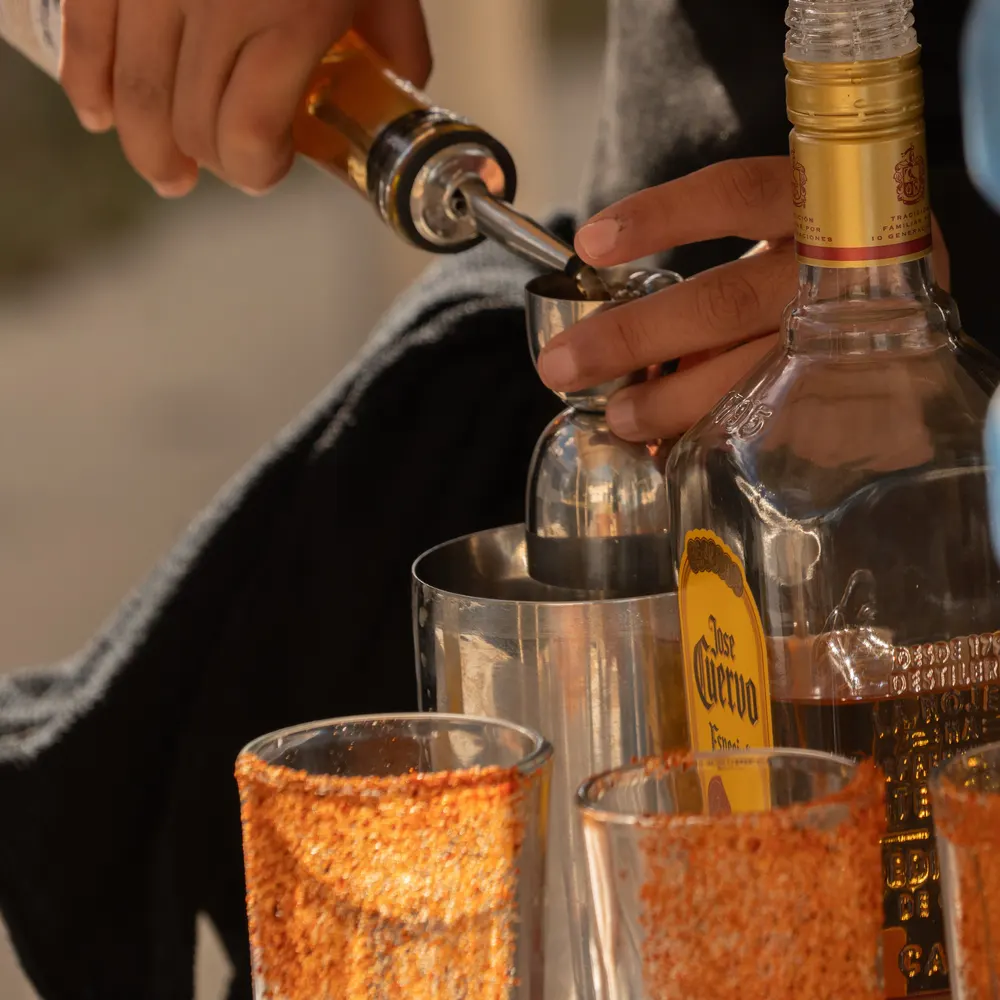
Mezcal is Mexico's broadest agave spirit category — the family that tequila itself belongs to — but it's also a genuinely distinct drinking experience, shaped by a production process largely unchanged for centuries.
The Legal Definition
Mezcal is a protected designation of origin covering agave spirits produced in designated regions across several Mexican states — most prominently Oaxaca, which produces the large majority of mezcal on the market, along with Guerrero, Durango, San Luis Potosí, Zacatecas, and several others.
The Agave: Over 30 Varieties
Unlike tequila's single-plant restriction to blue Weber agave, mezcal can legally be made from more than 30 recognised agave species. Espadín is the most widely cultivated and commonly used, but varieties like tobalá (small, wild-harvested, prized for complexity), tepeztate (which can take up to 25 years to mature), and madrecuixe each produce distinctly different flavour profiles — part of why mezcal tasting can feel closer to exploring single-vineyard wine than comparing standard tequila brands.
Traditional Production: Pit-Roasting
The defining step that separates mezcal from tequila is how the agave is cooked. Traditional mezcal production roasts harvested agave hearts (piñas) in earthen pits lined with hot volcanic stones, often covering the pit with agave fibre and earth and leaving it to roast for several days. This slow, smoke-infused roasting is the primary source of mezcal's signature smoky, earthy character — a step tequila production has largely moved away from in favour of steaming or industrial ovens.
Traditional Milling and Fermentation
After roasting, the cooked agave is traditionally crushed using a tahona — a large stone wheel, often pulled by a horse or mule — rather than mechanical shredders. Fermentation frequently happens in open-air wooden vats or even underground pits, using wild airborne yeast rather than a cultivated strain, adding further variation from batch to batch and producer to producer.
Mezcal Categories
- Joven (young) — unaged, the most common style, showcasing the raw agave and smoke character most directly.
- Reposado — rested in wood for a period, softening the intensity.
- Añejo — aged longer in oak, developing more complexity and less overt smoke.
Does Mezcal Always Have a Worm in the Bottle?
No. The "worm" (actually a moth larva that lives on agave plants) is a marketing gimmick associated with a specific commercial brand, not a mezcal tradition or requirement. Serious mezcal producers and enthusiasts generally regard it as a novelty unrelated to genuine quality.
Why Mezcal Rewards Slower Exploration
Because of the wide range of agave varieties, regional production styles, and small-batch, often family-run operations behind most genuine mezcal, the category offers an unusually direct sense of terroir and individual producer character — closer to comparing different vineyards' wine than comparing mainstream tequila brands. If you enjoy exploring the differences between individual Scotch distilleries or small-batch bourbon barrels, mezcal offers a similarly rewarding rabbit hole.
Shop the Collection
Tequila & Mezcal