What Is Rum Made From? A Guide to Molasses, Cane Juice & Distillation
By The Aged & Amber Spirits Team
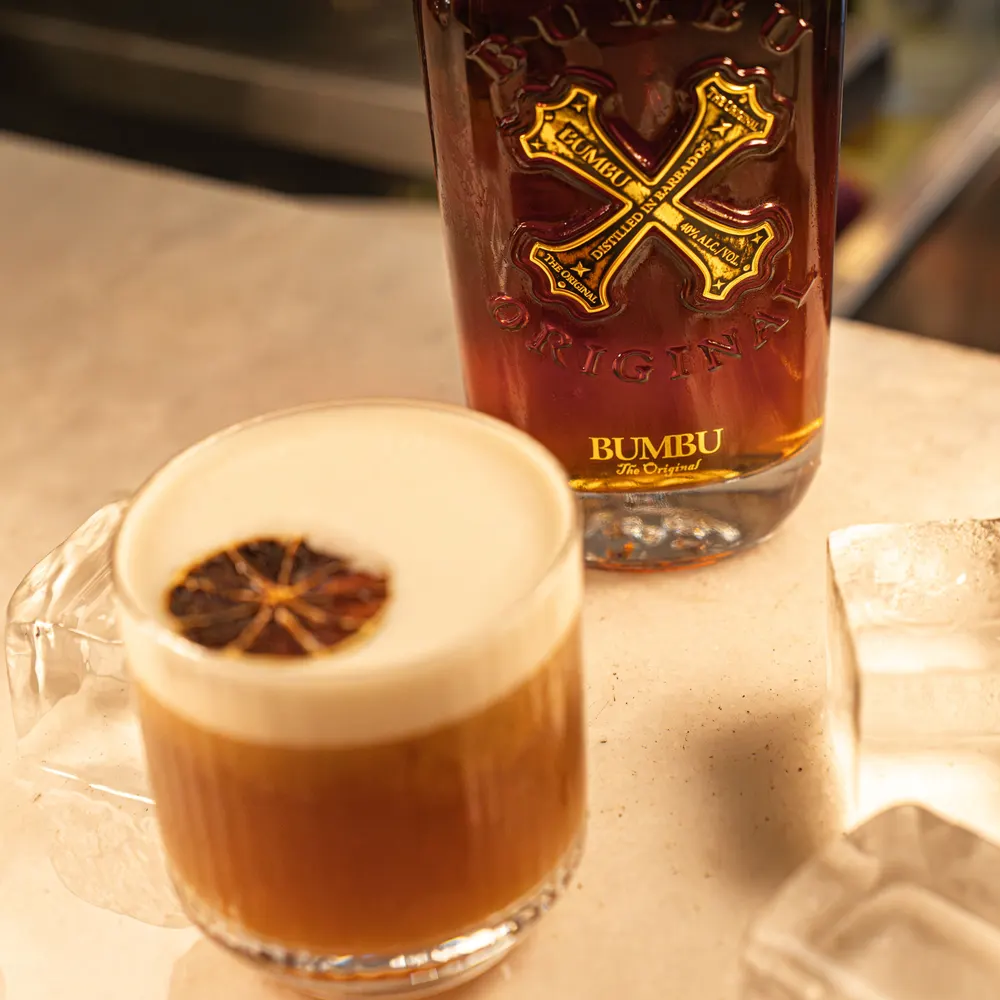
Unlike whiskey (grain) or tequila (agave), rum starts with sugarcane — but exactly which part of the plant, and how it's fermented and distilled, is what separates a light Puerto Rican white rum from a rich, funky Jamaican pot-still rum.
The Two Real Starting Materials
Molasses is the base for the vast majority of the world's rum. It's the thick, dark syrup left over after sugarcane juice has been boiled down and crystallized sugar extracted — essentially a byproduct of the sugar industry. Molasses-based rum is what you'll find behind most Caribbean, Latin American, and mass-market brands.
Fresh cane juice (sometimes called *rhum agricole*, especially in French-speaking islands like Martinique) skips the sugar-refining step entirely and ferments the cane's juice directly. This produces a grassier, more vegetal, more overtly "sugarcane-tasting" spirit — a noticeably different starting point from molasses rum, even before distillation shapes the final flavor.
Fermentation: Where Style Starts to Diverge
Both molasses and cane juice are diluted with water and fermented with yeast, typically for 24 hours to two weeks. Faster fermentations tend to produce lighter, cleaner rum; longer, wilder fermentations — particularly common in Jamaica — develop intense fruity, funky esters that define that country's famously pungent rum style.
Distillation: Column Still vs. Pot Still
This is the second major fork in rum production, alongside molasses vs. cane juice:
- Column stills run continuously and produce a lighter, cleaner, higher-proof spirit — the backbone of most white rum and many blended dark rums.
- Pot stills run in batches and retain more of the fermented wash's character — heavier, more textured, more aromatically complex. Jamaican and Guyanese Demerara rums lean heavily on pot distillation, or a blend of both.
Many rum houses blend column-still and pot-still spirit together, using the column still for a clean base and the pot still for character and depth.
Aging: Where Color and Complexity Come From
Freshly distilled rum is clear. Color and much of the flavor complexity most people associate with "dark rum" comes entirely from barrel aging — typically in used bourbon barrels, though some producers use ex-cognac or ex-sherry casks. There's no legal minimum aging requirement for rum in most producing countries (unlike Scotch's three-year rule), so age statements vary widely in what they actually guarantee.
A note on color: some producers add caramel coloring to standardize the look of a blend across batches — it's legal and common, but means color alone isn't a reliable guide to how long a rum was actually aged.
Why This Matters When You're Choosing a Bottle
Knowing whether a rum is molasses-based or cane-juice-based, column- or pot-distilled, tells you more about what's actually in the glass than the color or the word "dark" on the label. A cane-juice rhum agricole and a heavily pot-distilled Jamaican rum can both be "unaged" and clear, yet taste worlds apart.
Shop the Collection
Aged & Dark Rum
Frequently Asked Questions
Related Articles
Rum EducationWhat Is Demerara Rum? Guyana's Distinctive Dark Rum Style
4 min readRum EducationZacapa, El Dorado, Diplomático, Flor de Caña, Appleton Estate, Mount Gay & Plantation: A Rum Brand Guide
5 min readRum Education