What Is Scotch Whisky? The Legal Rules and What Makes It Distinct
By The Aged & Amber Spirits Team
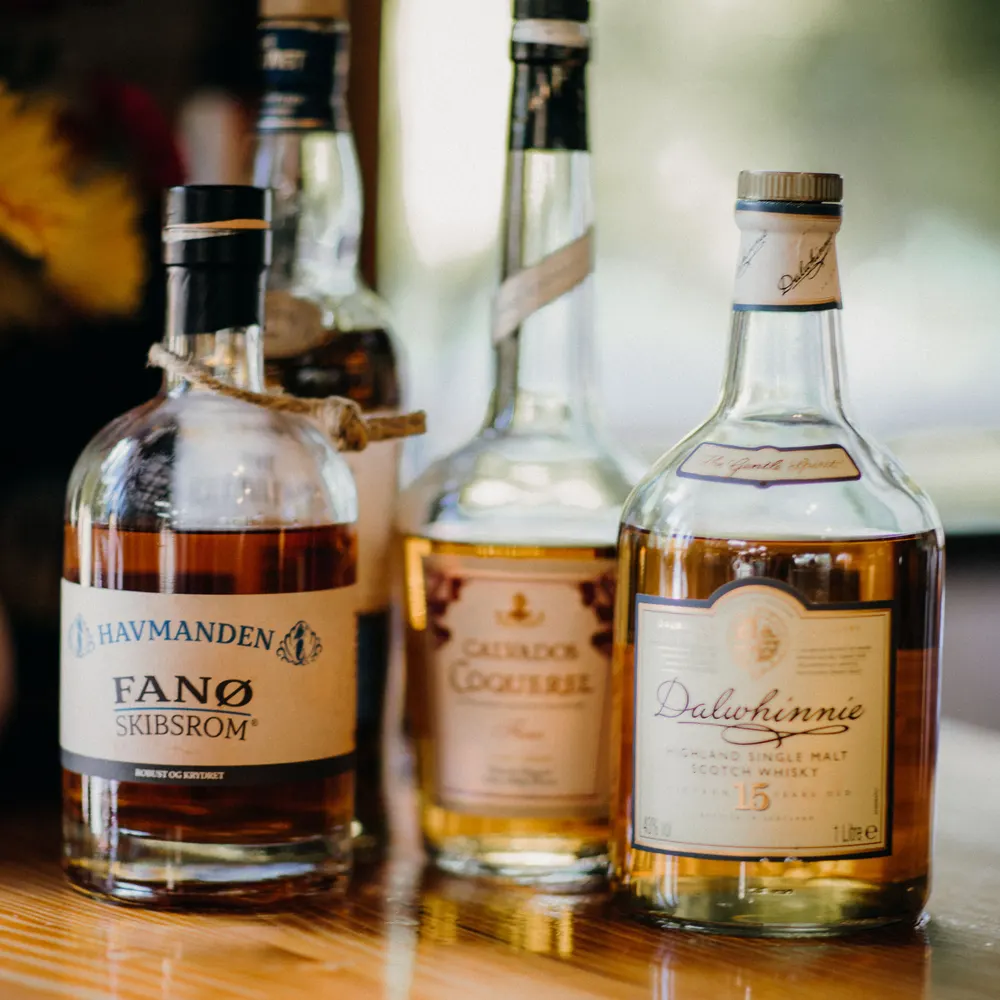
"Scotch" isn't just whisky made in Scotland in a loose, informal sense — it's a legally protected term (a Protected Geographical Indication) with a precise set of production requirements enforced by Scottish and UK law.
The Legal Definition
To be called Scotch whisky, a spirit must be:
- Distilled at a distillery in Scotland from water and malted barley (with or without other whole cereal grains), to which only whole yeast has been added for fermentation.
- Distilled to an alcoholic strength of less than 94.8% ABV, so the resulting spirit retains an aroma and taste derived from its raw materials.
- Matured entirely in Scotland, in oak casks of no more than 700 litres, for a minimum of three years.
- Bottled at no less than 40% ABV, with no added substances except water and (for some styles) plain caramel colouring.
Miss any one of these, and it cannot legally be labelled Scotch whisky — even if it's produced using identical equipment and technique just across the border.
The Five Legal Categories of Scotch
- Single malt Scotch whisky — 100% malted barley, one distillery, pot still distillation.
- Single grain Scotch whisky — one distillery, but other cereal grains and continuous stills permitted.
- Blended malt Scotch whisky — a blend of single malts from multiple distilleries.
- Blended grain Scotch whisky — a blend of single grain whiskies from multiple distilleries.
- Blended Scotch whisky — the most widely consumed category worldwide, combining malt and grain whiskies from multiple distilleries.
Why "Minimum Three Years" Is a Meaningful Floor, Not a Target
Three years is the legal minimum, not a typical age — most Scotch on the market, even at the accessible end, is aged well beyond that floor, commonly 8–12 years for core-range single malts. The three-year rule exists mainly to prevent unaged or barely-aged spirit from being sold as genuine Scotch.
Scotch vs "Scottish-Style" Whisky Made Elsewhere
Because "Scotch" is a legally protected term tied specifically to Scotland, no whisky produced anywhere else — no matter how closely it follows Scotch production methods — can legally use the name. This is exactly why Japanese whisky, which deliberately follows Scotch-style production, must be marketed and labelled under its own distinct national category rather than as "Japanese Scotch."
The Bottom Line
"Scotch" is a promise backed by law: made in Scotland, from the required ingredients, aged the required minimum time, in the required cask size. That legal weight is part of why Scotch carries the international reputation it does — the term itself guarantees a specific, verifiable production standard, not just a geographic label.
Shop the Collection
Scotch Whisky