What Is Tequila? The Legal Rules and What Makes It Distinct
By The Aged & Amber Spirits Team
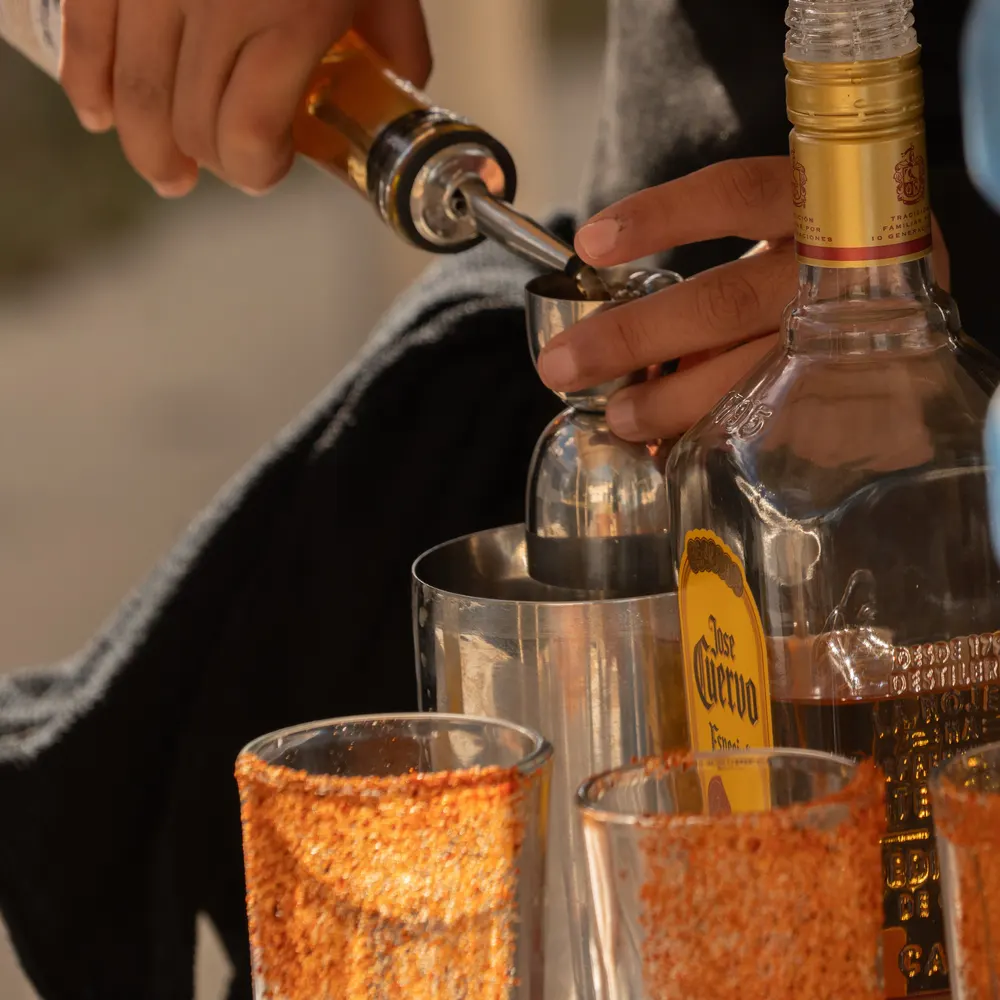
Tequila is one of the most tightly regulated spirits in the world — a protected designation of origin (similar in legal concept to Champagne or Scotch) tied to a specific plant, a specific region, and a specific production process.
The Legal Definition
To be called tequila, a spirit must be:
- Distilled from the blue Weber agave plant (Agave tequilana), harvested at maturity (typically 6–8 years).
- Produced in Jalisco or small designated zones within four neighbouring Mexican states.
- Distilled at least twice.
- Either "100% agave" (all fermentable sugar from blue Weber agave) or "mixto" (a minimum of 51% agave sugars, with other sugars permitted).
From Plant to Bottle
A blue Weber agave plant takes 6–8 years to reach harvest maturity. Once harvested, the leaves are stripped away to reveal the piña — the dense, pineapple-shaped heart of the plant — which is then cooked (traditionally steamed, though ovens and autoclaves are also used industrially) to convert its stored starches into fermentable sugars. The cooked agave is crushed to extract its juice, fermented, and distilled at least twice.
100% Agave vs Mixto
This distinction matters more than almost any other label detail. "100% agave" (sometimes written "100% de agave") guarantees every fermentable sugar came from blue Weber agave. Without that specific labelling, a tequila is legally permitted to be a "mixto," blending a minimum of just 51% agave sugars with other, cheaper fermentable sugars — typically producing a harsher, less complex, and less representative spirit. Premium and enthusiast-focused tequila is virtually always 100% agave.
The Ageing Categories
Tequila's flavour range comes largely from how long (if at all) it rests in oak after distillation:
- Blanco — unaged, or rested less than two months.
- Reposado — rested 2 months to 1 year.
- Añejo — aged 1 to 3 years.
- Extra Añejo — aged a minimum of 3 years.
Why the Designated Region Matters
Tequila's protected status means it can only legally be produced within specific Mexican states — primarily Jalisco. This is a legal protection similar to Champagne (which can only come from the Champagne region of France) or Scotch (Scotland only) — a spirit made identically anywhere else in the world cannot legally be called tequila, no matter how closely it follows the same production process.
The Bottom Line
Tequila's legal framework guarantees three things: the specific plant it came from, the specific region it was made in, and (if labelled 100% agave) the purity of its sugar source. Understanding those three guarantees is the fastest way to separate a genuinely well-made bottle from a cheaper, less representative mixto.
Shop the Collection
Tequila & Mezcal