What's the Best Cider Apple? Bittersweet vs. Dessert Apples
By The Aged & Amber Spirits Team
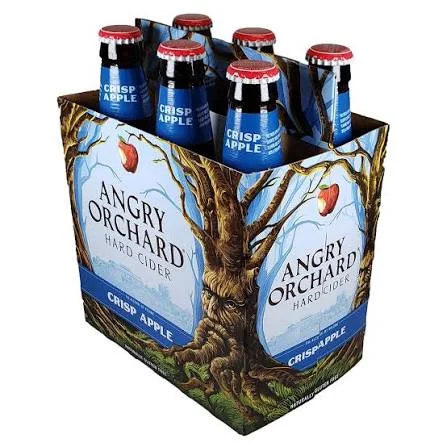
The apples used for serious cider-making are often not the same varieties you'd pick up to eat fresh — a real, deliberate distinction rooted in how the fruit's tannin and acid content affects fermented cider's final character.
Dessert Apples
Common eating apples (Gala, Fuji, Honeycrisp) are bred primarily for pleasant fresh-eating qualities — balanced sweetness, crisp texture, and minimal tannin or bitterness. Used alone for cider, they tend to produce a simpler, less complex finished product than dedicated cider varieties.
Bittersweet Apples
Traditional English and French cider-making relies heavily on bittersweet apple varieties, bred specifically for cider production rather than fresh eating — these apples contain meaningfully more tannin than dessert apples, contributing real structure, body, and complexity to finished hard cider, similar to how tannin functions in red wine.
Bittersharp Apples
A related category, bittersharp apples combine cider-specific tannin with higher acidity than bittersweet varieties, adding brightness and structure in a different direction — cidermakers often blend bittersweet, bittersharp, and dessert or "sharp" (high-acid, low-tannin) apples together to build a balanced, complex final cider.
Why Blending Matters So Much in Cider
Because no single apple variety typically provides ideal levels of sugar, acid, and tannin all at once, quality cidermaking (much like winemaking blending) often relies on combining multiple apple types specifically chosen for their different structural contributions — a genuinely more complex process than simply pressing whatever apples are available.
Farnum Hill: A Real Example
Farnum Hill Ciders, based in New Hampshire, is well-known specifically for championing traditional English and French bittersweet and bittersharp cider apple varieties rather than relying on common dessert apples — a genuine commitment to traditional cider-apple growing that most large-scale commercial cider producers don't match.
What This Means for Cider Shopping
Ciders made specifically from dedicated cider apple varieties (rather than surplus dessert apples or juice concentrate) tend to show more genuine complexity and structure — worth seeking out if you want a more serious, traditionally-crafted cider experience beyond the simpler, sweeter mainstream style.
Shop the Collection
Cider