Hard Cider vs. Sweet (Non-Alcoholic) Apple Cider
By The Aged & Amber Spirits Team
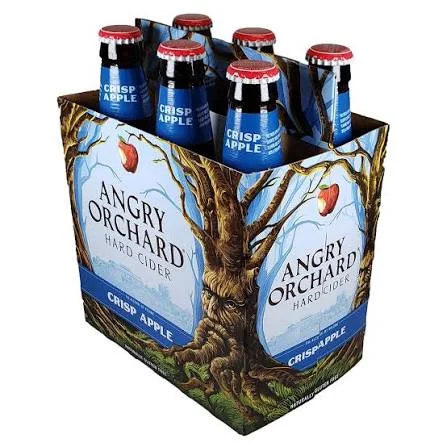
The word "cider" covers two products that are easy to confuse but genuinely different in production and content — a distinction that matters especially around family gatherings and holiday shopping.
Sweet (Non-Alcoholic) Apple Cider
In most of the US, "apple cider" without further qualification typically refers to unfiltered, unpasteurized (or sometimes pasteurized) apple juice — a non-alcoholic product, often sold seasonally, especially popular in fall around apple harvest time.
Hard Cider
"Hard cider" specifically indicates the fermented, alcoholic version — apple juice that has undergone yeast fermentation, converting the natural sugars into alcohol, typically landing in the same general ABV range as beer.
Why the Terminology Varies by Region
In the UK and much of Europe, "cider" without qualification typically refers to the alcoholic version by default — the reverse of the US convention, where "cider" alone usually means the non-alcoholic product and "hard cider" specifies the alcoholic one. This regional difference is a genuine source of confusion for travelers and imported product labeling.
Why the Confusion Matters Practically
Bringing home "cider" from the grocery store assuming it's the sweet, non-alcoholic version when it's actually hard cider (or vice versa) is a real, easy mistake — always check the label specifically for "hard cider" or an ABV percentage if you need to be certain which product you're buying, especially relevant if children will be drinking it or if you specifically want the alcoholic version for an adult gathering.
Flavor Differences Beyond Alcohol Content
Beyond the alcohol itself, fermentation genuinely changes cider's flavor profile — hard cider tends toward a drier, more complex, sometimes tart or funky character compared to sweet apple cider's straightforward, simple sweetness, since fermentation consumes much of the sugar that gives sweet cider its dominant flavor note.
The Bottom Line
Always check labeling carefully, especially with imported or UK-style products where the terminology convention flips — "cider" alone is genuinely ambiguous across different markets in a way that matters for both taste expectations and, more importantly, whether you're serving alcohol.
Shop the Collection
Cider