Best Non-Alcoholic Wine for Every Occasion: A Buying Guide
By The Aged & Amber Spirits Team
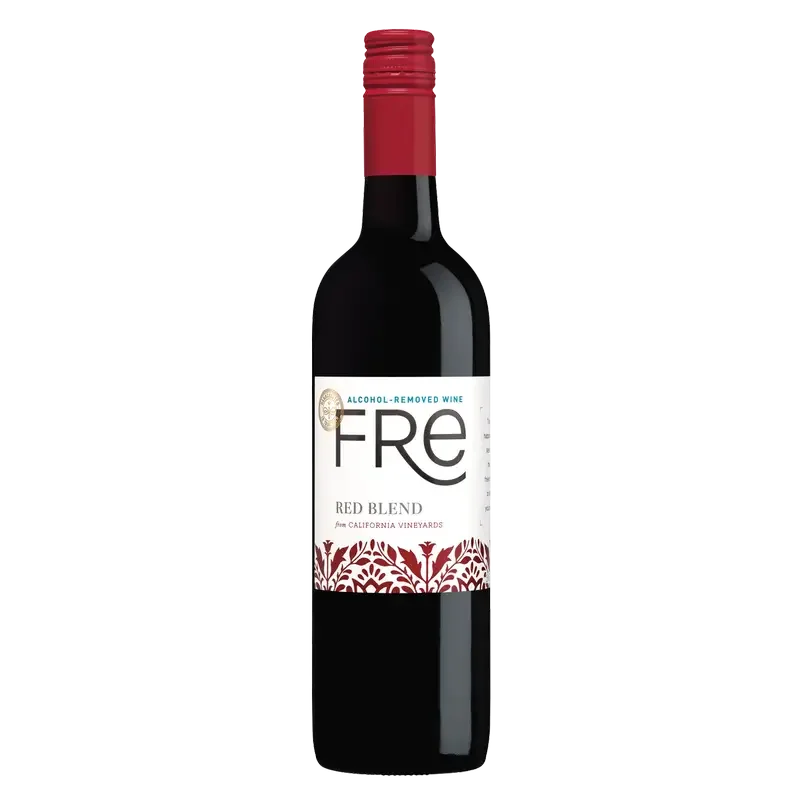
Non-alcoholic wine has come a long way from the syrupy, one-note bottles that gave the category a bad reputation years ago. Modern dealcoholized wine is made from real grapes using increasingly sophisticated techniques, and choosing the right style for the occasion makes a real difference.
How Non-Alcoholic Wine Is Actually Made
Nearly all quality non-alcoholic wine starts as a genuine, fully fermented wine — real grapes, real fermentation, real winemaking technique — and has the alcohol removed afterward using one of a few methods: spinning cone technology (gently separates alcohol from wine at low temperature and pressure to preserve flavor), reverse osmosis (filters alcohol out through a membrane), or vacuum distillation (uses lower pressure to evaporate alcohol at a lower, flavor-preserving temperature). This matters because it means better non-alcoholic wine genuinely tastes like wine that's had something removed, rather than a from-scratch grape beverage built to vaguely resemble wine.
For a Weeknight Dinner
Look for a straightforward dealcoholized red or white built from a familiar grape — Cabernet Sauvignon or Chardonnay alternatives are the most widely available and easiest to pair with everyday cooking the same way you'd use their alcoholic counterparts.
For a Celebration or Toast
Reach for a dealcoholized sparkling wine rather than sparkling grape juice if you want something that reads as genuinely "wine-like" rather than sweet and juice-forward — the drier, more complex character of a proper sparkling wine alternative holds up much better next to a real Champagne toast happening at the same table.
For Someone New to the Category
Start with a rosé. Non-alcoholic rosé tends to be one of the most consistently well-executed styles across brands, since rosé's naturally lighter, fruit-forward profile is easier to replicate convincingly without alcohol than a structured, tannic red.
For Pairing With a Rich Meal
Look specifically for a red labeled with tannin-preserving language or built from a naturally structured grape like Cabernet Sauvignon or a GSM (Grenache-Syrah-Mourvèdre) blend — structure and tannin are the hardest qualities to retain through dealcoholization, so brands that specifically address this are usually more serious about matching a real wine experience.
What to Check on the Label
- "Alcohol-removed" or "de-alcoholized" signals a real wine that went through an actual dealcoholization process.
- The specific grape or blend named (rather than just "red wine" or "white wine") is generally a good sign of a more serious product.
- ABV under 0.5% is standard for the category and worth confirming if you need certainty for medical, pregnancy, or recovery reasons.
The Bottom Line
Treat non-alcoholic wine shopping the same way you'd treat regular wine shopping — matching grape, style, and occasion — rather than assuming one generic bottle covers every situation. The category has genuinely diversified enough now to reward that approach.
Shop the Collection
Non-Alcoholic Wine