How Is the Alcohol Removed From Wine? Vacuum Distillation vs. Spinning Cone vs. Twice-Fermented
By The Aged & Amber Spirits Team
Non-alcoholic wine's quality depends heavily on which dealcoholization method a producer uses, since each technique involves genuine trade-offs between removing alcohol and preserving flavor.
Vacuum Distillation
This method lowers atmospheric pressure inside a sealed chamber, which lowers the temperature at which alcohol evaporates — allowing alcohol to be removed at a considerably lower temperature than standard distillation would require. Since heat is one of the biggest threats to delicate wine aromatics, this lower-temperature approach helps preserve more of the wine's original character than higher-heat methods would.
Spinning Cone Technology
A more advanced, sophisticated technique, spinning cone columns use a series of rotating cones inside a vacuum chamber to separate out both alcohol and delicate aromatic compounds in stages — the aromatics are captured separately and can be added back into the dealcoholized wine afterward, helping restore character that might otherwise be lost during the alcohol-removal process itself.
Reverse Osmosis
This method filters wine through a specialized membrane that separates out water and alcohol from the wine's other components, then removes the alcohol from that separated portion (often through additional distillation) before recombining the remaining liquid with the original wine — a genuinely different mechanical approach than heat-based distillation methods.
Which Method Is "Best"?
No single method is universally superior — different producers favor different techniques based on their specific wine style and equipment, and skilled execution matters as much as the specific method chosen. Spinning cone technology is often cited as particularly effective at preserving delicate aromatics specifically because of its ability to capture and reintroduce them separately.
Brand-Specific Methods
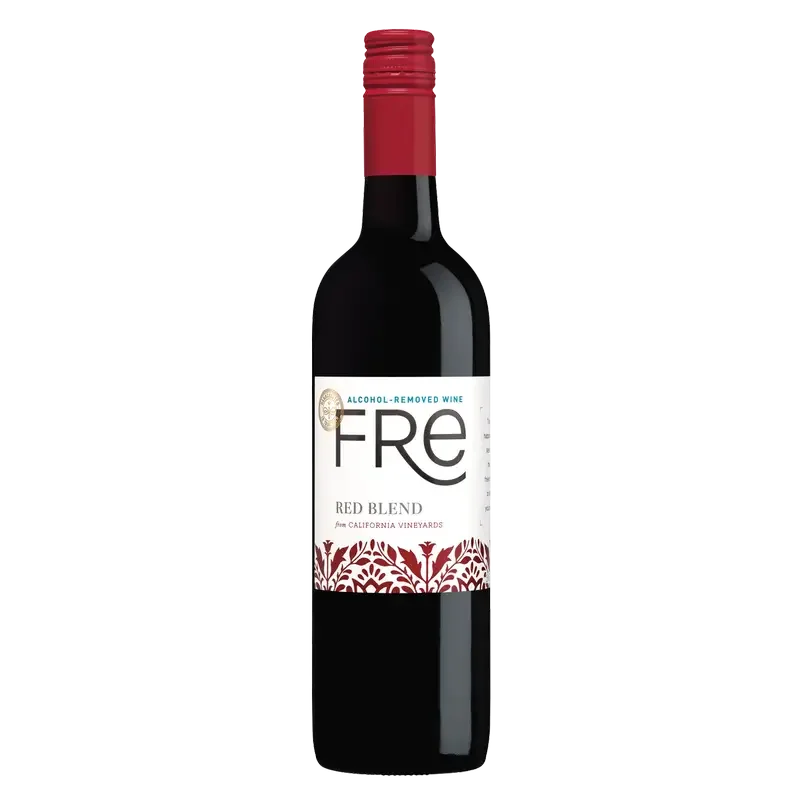
Different non-alcoholic wine brands are associated with different specific techniques: Ariel is generally associated with reverse osmosis, FRE, Giesen, and Lautus with spinning cone technology, and Leitz with vacuum distillation — worth knowing if you want to explore how different methods affect the same general style of wine.
Why Understanding This Matters
Because dealcoholization inevitably involves some trade-off between removing alcohol and preserving flavor, understanding which method a brand uses (and how well-executed it is) helps set realistic expectations and identify which producers have invested most seriously in flavor preservation technology rather than just stripping alcohol as cheaply as possible.
Shop the Collection
Non-Alcoholic Wine