How Is the Alcohol Actually Removed From Wine?
By The Aged & Amber Spirits Team
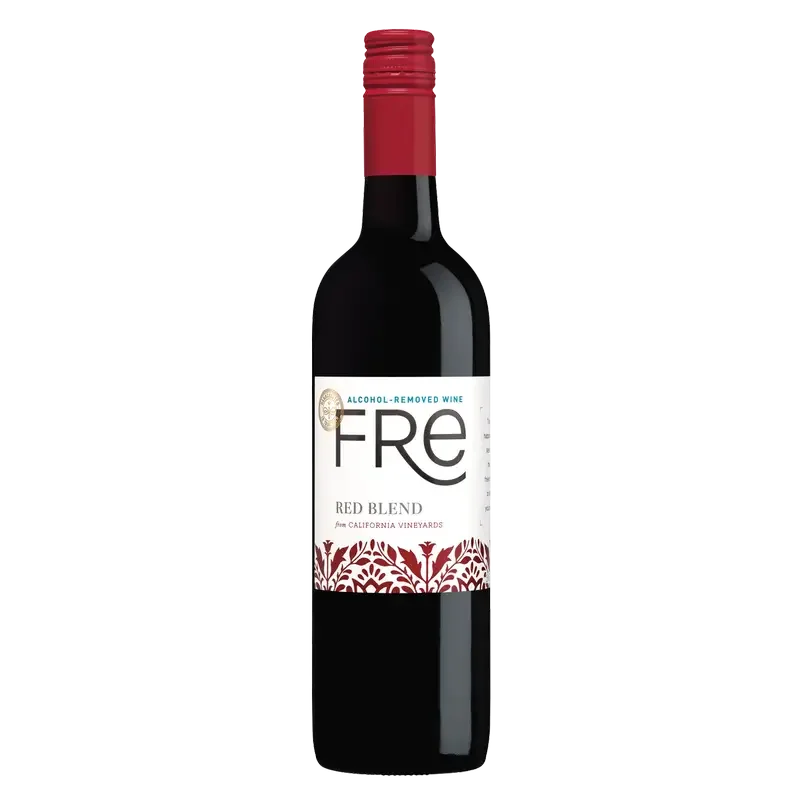
Understanding the specific dealcoholization method behind a non-alcoholic wine brand helps explain differences in quality and character between products that might otherwise seem similar on the shelf.
Reverse Osmosis
This method passes wine through a specialized membrane that filters out water and alcohol together, separate from the wine's other flavor components, then removes the alcohol from that separated portion before recombining the remainder with the original wine base — Ariel is a brand generally associated with this specific method.
Spinning Cone Technology
A more sophisticated multi-stage process using rotating cones inside a vacuum chamber, spinning cone technology separates out alcohol and delicate aromatic compounds in stages, allowing the aromatics to be captured separately and reintroduced afterward — FRE, Giesen, and Lautus are among the brands generally associated with this technique, often cited for helping preserve more genuine wine character.
Vacuum Distillation
By lowering atmospheric pressure inside a sealed chamber, this method lowers the temperature at which alcohol evaporates, allowing removal at a lower, more flavor-preserving temperature than standard distillation would require — Leitz is a brand generally associated with this specific approach.
Why Brand-Specific Method Matters
Because each method involves genuine trade-offs between thoroughly removing alcohol and preserving the wine's original aromatic and flavor complexity, knowing which method a specific brand uses (and how well-executed their particular process is) can help you predict roughly what quality and character level to expect before purchasing.
No Single Method Is Universally Best
Skilled execution matters as much as the specific technique chosen — a well-executed reverse osmosis process can outperform a poorly executed spinning cone process, and vice versa, meaning brand reputation and specific product reviews remain more useful than method alone for predicting quality.
Why This Matters for Shopping
If you've tried non-alcoholic wine before and found it lacking, trying a different brand using a different dealcoholization method (rather than assuming the entire category performs identically) is a reasonable next step, since real production differences do exist between brands and techniques.
Shop the Collection
Non-Alcoholic Wine