How Is Brandy Made? The Broader Family Cognac Belongs To
By The Aged & Amber Spirits Team
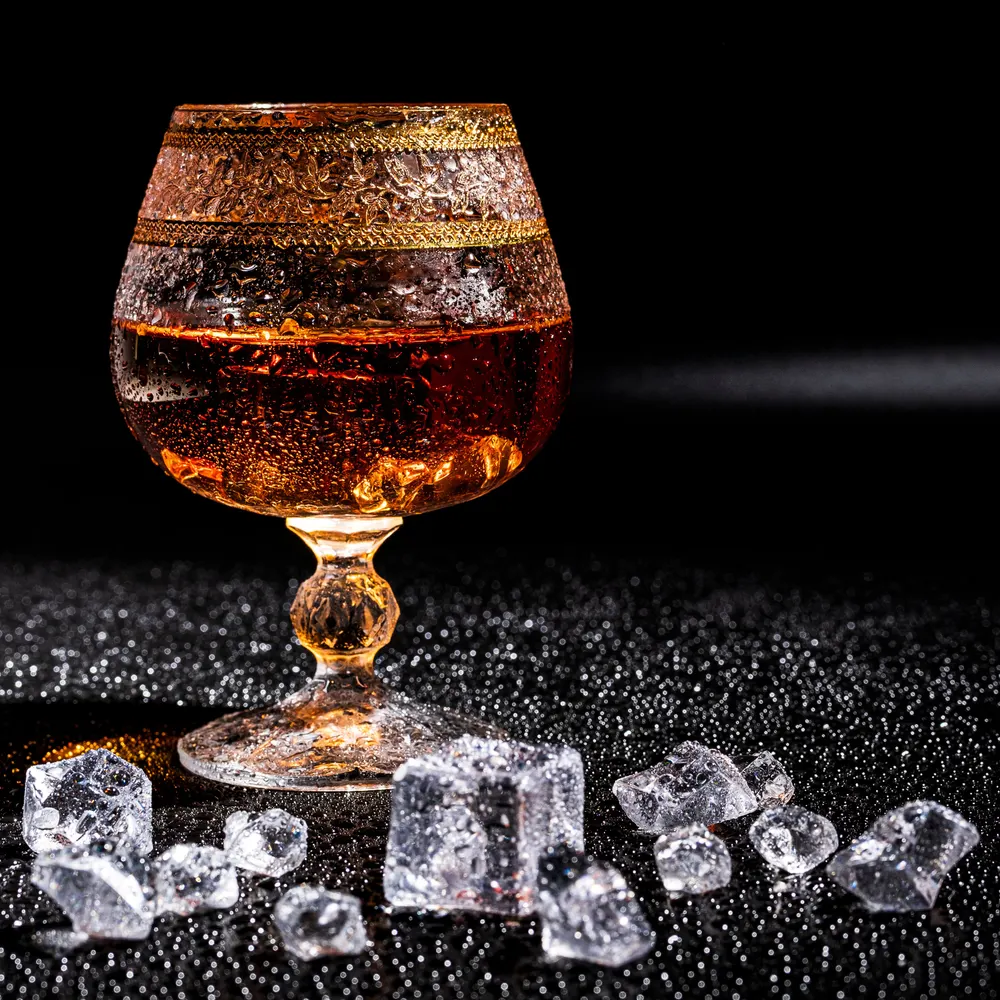
If cognac has one of the most tightly regulated production processes in spirits, brandy as a whole sits at the opposite end — it's a broad category covering almost any spirit distilled from fermented fruit, made all over the world in wildly different styles.
The Basic Definition
At its simplest, brandy is a distilled spirit made from fermented fruit — most commonly grapes, but also apples, pears, and other fruits. That's genuinely the entire baseline definition. Everything else — grape variety, region, still type, aging method — is a stylistic choice made by the producer or dictated by a specific regional designation.
Grape Brandy: The Largest Category
Most brandy, like most wine, starts with grapes. The base wine is fermented, then distilled — either in a pot still (producing a richer, more characterful spirit, as with cognac and armagnac) or a column still (producing a lighter, more neutral spirit, common in high-volume American and generic brandies like Paul Masson or Presidente). Distillation strips most of the sugar and residual grape character, leaving a clear spirit that gets its final flavor almost entirely from barrel aging.
Protected Regional Styles
Some grape brandies carry legal, geography-locked designations, similar to how Champagne can only come from Champagne:
- Cognac — France's Charente region, double pot-still distilled, minimum 2 years in French oak
- Armagnac — France's Gascony region, traditionally single column-still distilled, generally considered rustic and more grape-forward than cognac
- Brandy de Jerez — Spain's Jerez region, aged using the solera system (a fractional blending method that layers younger spirit into partially emptied barrels of older spirit), giving Spanish brandies like Cardinal Mendoza and Fundador their signature sherry-cask richness
Fruit Brandy Beyond Grapes
Brandy doesn't have to start with grapes at all. Apple brandy — like Laird's, which has been distilled in New Jersey since 1698 — is fermented cider run through a still, then aged in charred oak, producing a spirit with genuine orchard fruit character that grape brandy can't replicate. Similar traditions exist for pear (poire), cherry (kirsch), and plum (slivovitz) brandies, though most of these are labeled by their fruit rather than as generic "brandy."
Aging: Vintage vs. Solera
Two very different aging philosophies show up across the brandy world. Vintage-style aging — the cognac and armagnac approach — ages a specific batch in barrels for a set number of years before bottling, similar to how whiskey is aged. Solera aging — the Spanish approach used for sherry, brandy de Jerez, and some other brandies — continuously blends younger spirit into a fractional system of stacked barrels, meaning the final product is a blend of many vintages rather than a single aged batch, and the "age statement" (like Torres 5 or Torres Jaime I's 30-year average) reflects an average rather than a minimum.
Why the Category Is So Wide
Because "brandy" only requires fermented fruit plus distillation, the category legitimately spans everything from a $4,300 Louis XIII cognac to a $12 bottle of Paul Masson — both are, technically, brandy. The regional and legal designations (cognac, armagnac, Brandy de Jerez) are what separate the tightly controlled, prestige end of the category from the broader, more loosely regulated everyday brandies that make up most of what's actually sold worldwide.
Shop the Collection
Cognac & Brandy