How Is Non-Alcoholic Wine Made?
By The Aged & Amber Spirits Team
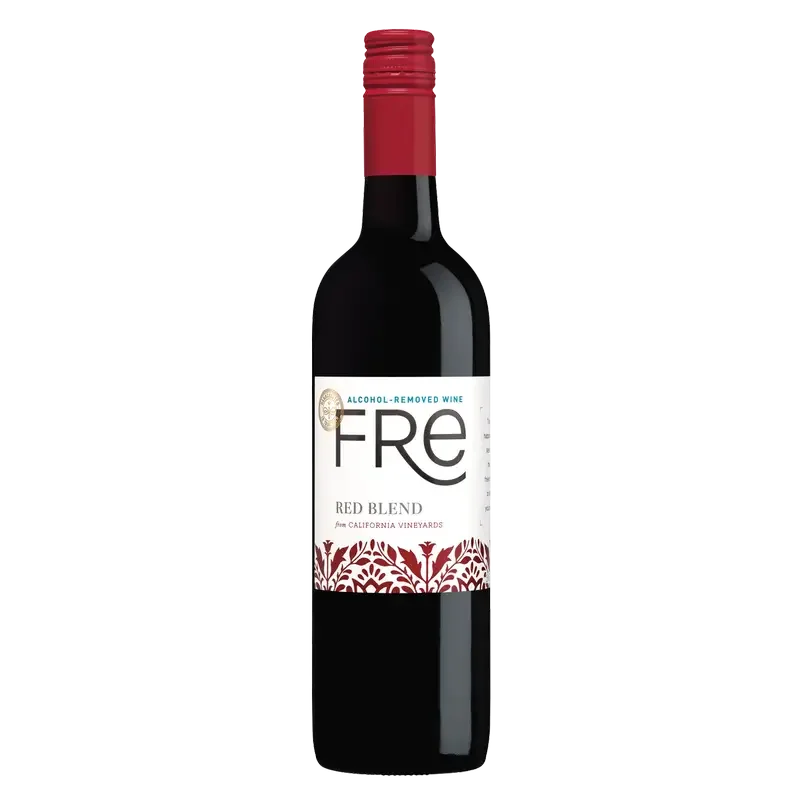
Understanding non-alcoholic wine's complete production process, start to finish, clarifies why it's a genuinely more involved product than simply "wine with something taken out."
Step 1: Standard Winemaking
Non-alcoholic wine begins exactly like regular wine: grapes are harvested, crushed, and fermented normally, producing a genuine, fully alcoholic wine as the starting point — this initial stage is identical to standard winemaking in every respect.
Step 2: Full Fermentation Completion
Producers typically let fermentation complete fully, producing a real wine at standard alcohol strength (11-14% ABV), before moving to the dealcoholization stage — the wine genuinely exists in its full-strength form at this point, even though it will eventually have most of that alcohol removed.
Step 3: Dealcoholization
Using one of several methods (vacuum distillation, spinning cone technology, or reverse osmosis), the alcohol is removed from the finished wine, typically bringing it down to under 0.5% ABV — this is the step that most distinguishes non-alcoholic wine production from standard winemaking.
Step 4: Flavor and Aromatic Adjustment
Because dealcoholization can strip out some flavor and aromatic compounds alongside the alcohol, many producers reintroduce captured aromatics (particularly with spinning cone technology, which separates and preserves them specifically for this purpose) or make other adjustments to help restore character lost during processing.
Step 5: Final Blending and Bottling
The dealcoholized wine may undergo final blending adjustments to balance sweetness, acidity, and any reintroduced aromatics before being bottled and packaged, similar to the final blending stage in standard winemaking.
Why This Process Is More Complex Than It Might Seem
Non-alcoholic wine production genuinely requires all the skill and care of standard winemaking, plus an entirely additional technical stage (dealcoholization) that full-strength wine skips entirely — a more involved, technically demanding process than simply "wine minus alcohol" might suggest.
What This Means for Quality Expectations
Given the genuine complexity involved, quality non-alcoholic wine reflects real technical investment and skill, not a corner-cutting shortcut — which is part of why well-made examples, despite the inherent challenges, can genuinely deliver an enjoyable, wine-like experience.
Shop the Collection
Non-Alcoholic Wine