Is Non-Alcoholic Beer Really Alcohol-Free? A Straight Answer
By The Aged & Amber Spirits Team
Non-alcoholic beer has exploded from a niche, often-mocked category into one of the fastest-growing segments in the entire beer industry — but the labeling on the shelf can be genuinely confusing. "Non-alcoholic" doesn't automatically mean zero alcohol, and knowing the difference matters for anyone avoiding alcohol entirely.
The Legal Definition Isn't What You'd Guess
In the United States, a beer can legally be labeled "non-alcoholic" with up to 0.5% ABV — a small but real amount of alcohol, roughly the same trace level naturally present in some fruit juices and breads from fermentation. This standard has existed for decades and covers most of the classic non-alcoholic beer brands that have been on shelves since the 1990s.
True 0.0% Is a Newer, Distinct Category
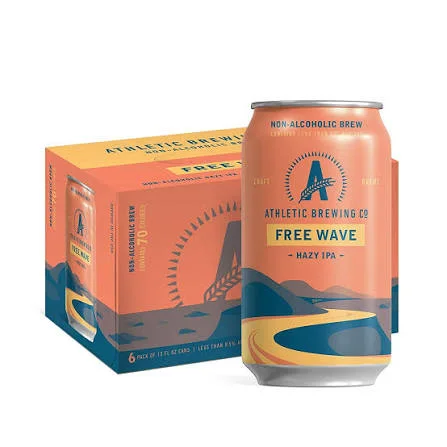
A newer wave of brands has pushed specifically for genuine 0.0% ABV — literally no detectable alcohol at all, rather than the "under 0.5%" standard. Athletic Brewing, one of the brands most credited with reigniting interest in the category, brews its beers to be alcohol-free from the start using proprietary fermentation techniques, rather than brewing a full-strength beer and removing the alcohol afterward. Always check the specific ABV printed on the can if true zero alcohol matters to you — "non-alcoholic" and "0.0%" are not automatically synonyms.
How Non-Alcoholic Beer Is Actually Made
There are two fundamentally different approaches:
Brewed to be alcohol-free from the start — using specialized yeast strains or arrested fermentation that never produces significant alcohol in the first place. This tends to produce a fresher, more "real beer" flavor profile, since the brewer isn't working backward from a full-strength beer.
Dealcoholized after brewing — a full-strength beer is brewed normally, then the alcohol is removed afterward via vacuum distillation or reverse osmosis. This was the standard method for decades and can sometimes produce a slightly different mouthfeel than beer brewed alcohol-free from the start, since removing alcohol also strips out some flavor compounds carried alongside it.
Why the Distinction Matters
For most people enjoying a non-alcoholic beer occasionally, the difference between 0.0% and under 0.5% is negligible. It matters more for a specific set of people: those in recovery from alcohol use disorder, pregnant people avoiding alcohol entirely, people taking medications that interact with alcohol, and anyone subject to a zero-tolerance testing requirement (certain jobs, probation conditions, or personal choice). If any of those apply to you, read the actual ABV on the can rather than relying on the word "non-alcoholic" alone.
The Bottom Line
Most "non-alcoholic" beer contains a small, legally permitted trace of alcohol (up to 0.5% ABV) — genuinely negligible for the vast majority of drinkers, but worth knowing if you need true zero alcohol. Brands explicitly labeled 0.0% ABV are formulated to contain none at all, and are the safer choice if that distinction matters to you specifically.
Shop the Collection
Non-Alcoholic Beer & Cider