Tennessee Whiskey vs. Bourbon: The Lincoln County Process
By The Aged & Amber Spirits Team
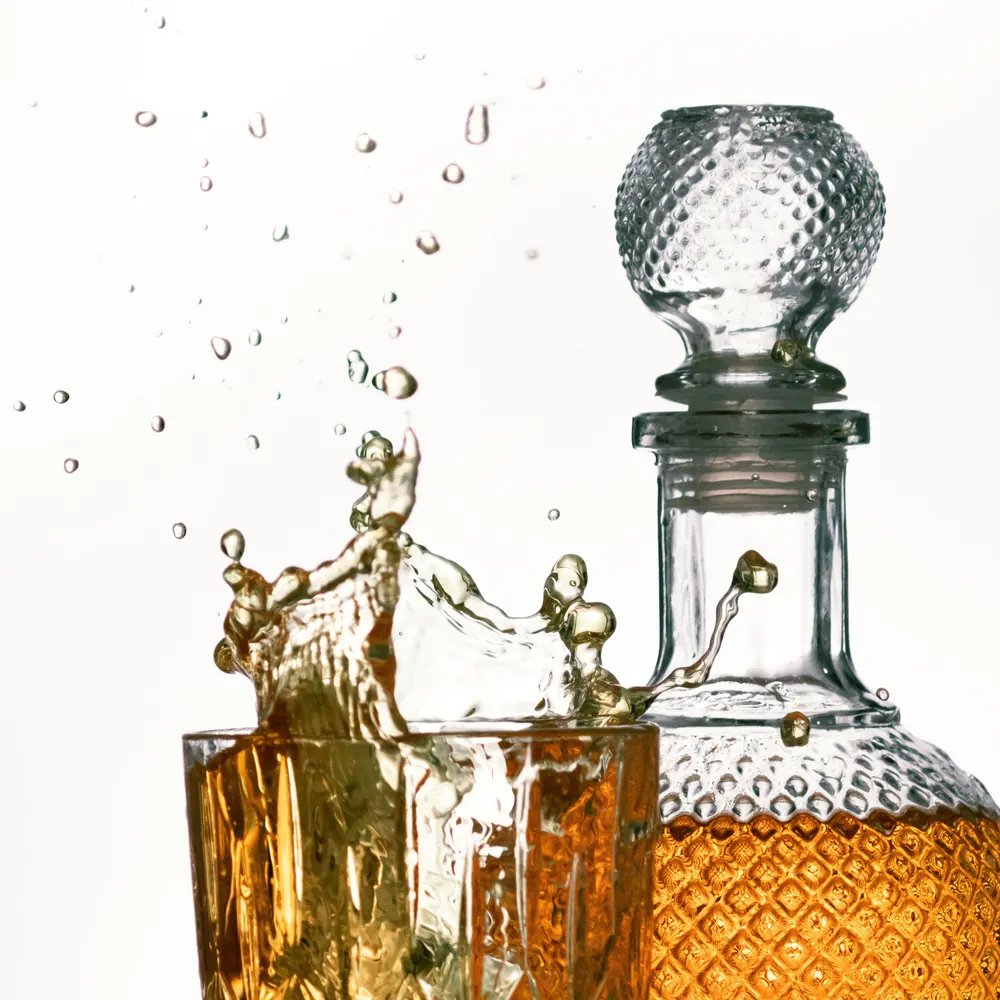
Tennessee whiskey and bourbon are close enough legally that every Tennessee whiskey could technically be labeled bourbon — yet the two styles taste distinctly different, and Tennessee producers go out of their way not to use the word "bourbon" on the label. The difference comes down to a single additional step.
Tennessee Whiskey Meets Every Bourbon Requirement
To be legally recognized as Tennessee whiskey, a spirit must satisfy all the same federal standards as bourbon: a mash bill of at least 51% corn, distillation to no more than 160 proof, entry into new charred oak barrels at no more than 125 proof, bottling at no less than 80 proof, and production entirely within the state of Tennessee (a geographic requirement bourbon itself does not have).
The Lincoln County Process
What sets Tennessee whiskey apart is the Lincoln County Process — filtering the clear, unaged new-make spirit through several feet of sugar maple charcoal before it ever touches a barrel. The charcoal is typically burned on-site from sugar maple logs, then packed into tall vats the spirit slowly drips through, sometimes over several days.
This step removes certain fusel oils and congeners from the raw spirit, giving the finished whiskey a smoother, rounder mouthfeel and a faint sooty-sweet character that bourbon drinkers often describe as "mellower" compared to an unfiltered bourbon of the same mash bill. It doesn't fundamentally change the grain profile — a Tennessee whiskey still tastes recognizably corn-forward — but it files off some of the sharper edges before barrel aging even begins.
Does Charcoal Filtering Actually Change the Flavor?
Yes, measurably. Charcoal filtering reduces certain short-chain fatty acid esters and other compounds associated with a harsher, more solvent-like bite in new-make spirit. Distillers who champion the process argue it lets the barrel's oak and char contribute more cleanly to the final flavor, since the raw spirit going into the barrel is already smoother. Critics counter that it strips character along with harshness — which is largely why Kentucky bourbon producers don't adopt the step themselves, even though nothing legally prevents them from doing so.
Why the Jack Daniel's/George Dickel Divide Matters
Jack Daniel's and George Dickel are the two distilleries most responsible for defining the category, and they implement the Lincoln County Process slightly differently — Jack Daniel's chars its own maple charcoal from freshly cut logs, while George Dickel famously chills its spirit before filtering, a practice it markets as giving an even smoother result. Both approaches fall under the same legal definition, but the stylistic differences between producers are real and worth tasting side by side.
Bourbon vs. Tennessee Whiskey: The Practical Takeaway
If you enjoy bourbon's sweetness but find certain bottlings a little hot or sharp, a Tennessee whiskey of a similar mash bill is worth trying — the charcoal mellowing often makes for an easier sipping experience, particularly at bottled-in-bond or barrel proof. If you want maximum grain character and oak expression without any extra filtering step, bourbon remains the more direct expression of mash bill and barrel.
Neither style is objectively better — they're two closely related answers to the same starting point, separated by one extra, very deliberate step before the barrel ever gets involved.
Shop the Collection
Rye & Other Whiskey