What Is Corn Whiskey? America's Least-Known Legal Whiskey
By The Aged & Amber Spirits Team
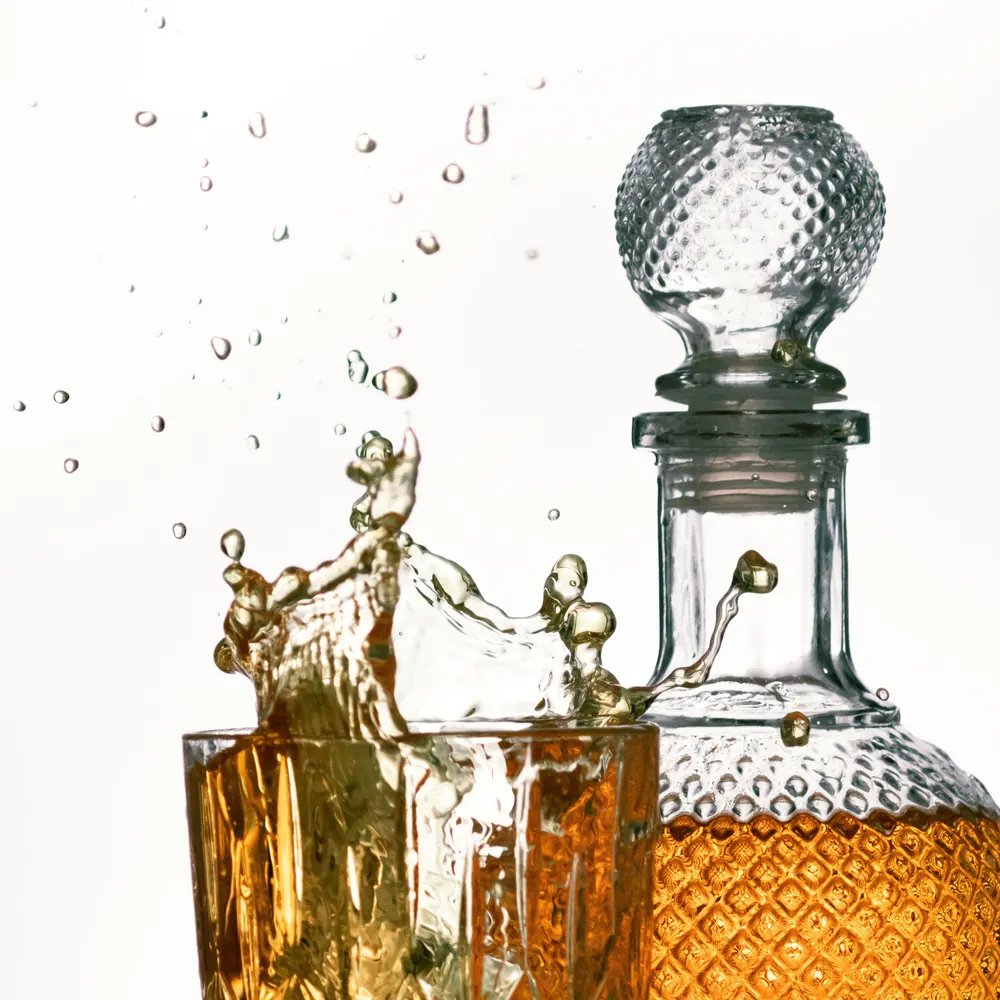
Corn whiskey is one of the oldest whiskey styles distilled in the United States, and also one of the least understood. Most drinkers know bourbon is corn-based, but far fewer know that federal law recognizes corn whiskey as its own distinct category — with rules that are, in some ways, the exact opposite of bourbon's.
The Legal Definition
Under US federal regulations, corn whiskey must be distilled from a mash bill containing at least 80% corn — a much higher threshold than bourbon's 51% minimum. From there, the rules diverge sharply from bourbon in a way that surprises most people:
- No new charred oak barrel requirement. Bourbon must be aged in new, charred oak containers. Corn whiskey has no such requirement — it can be bottled completely unaged, or aged in used or uncharred barrels.
- No minimum aging period. If corn whiskey is aged at all, it must be in used or uncharred new oak containers, and there is no legal minimum aging time the way there is for "straight" whiskey categories.
- Distillation proof ceiling. Like bourbon, it must be distilled to no more than 160 proof and entered into the barrel (if used) at no more than 125 proof.
The practical result: a bottle labeled "corn whiskey" can be clear, youthful, and barely touched by wood — something bourbon, by definition, can never be.
Why It Tastes So Different From Bourbon
Bourbon's signature vanilla, caramel, and toasted-coconut character comes almost entirely from new charred oak interacting with the spirit over years of aging. Strip that away, and what's left is the corn itself: a sweet, grainy, almost creamed-corn or cornbread-like flavor, often with a light, almost moonshine-adjacent character when unaged.
When corn whiskey IS aged — in used barrels that have already given up most of their charred-oak character to a previous batch of bourbon or rye — the wood influence is much subtler. The result sits somewhere between a raw white dog spirit and a gently mellowed whiskey, without ever developing bourbon's deep caramelized complexity.
The Moonshine Connection
Corn whiskey is widely considered the direct ancestor of both bourbon and American moonshine. Unaged corn whiskey and traditional moonshine are, in practice, very similar products — a high-corn mash, distilled and bottled without barrel aging. The difference is largely one of legality and labeling: moonshine historically referred to illegally distilled, untaxed spirit, while corn whiskey sold today is a fully legal, regulated category following the same federal Standards of Identity that govern bourbon and rye.
Modern craft distillers have revived interest in corn whiskey specifically because it lets them showcase a distillery's base spirit and still character without the dominating influence of new oak — a different kind of transparency than an aged whiskey offers.
How to Drink It
Unaged or lightly-aged corn whiskey is traditionally sipped neat by those who appreciate its raw grain character, but it also works well in cocktails that call for a lighter, sweeter whiskey base without heavy oak notes — a Whiskey Sour or a simple mint julep variation can showcase it nicely. It's generally not the whiskey to reach for if you're looking for the rich, barrel-driven complexity bourbon is known for; it's a genuinely different experience built around the grain itself.
Final Thought
Corn whiskey occupies a strange place in American whiskey history — older than bourbon as a concept, legally distinct from it today, and far less visible on store shelves. For drinkers curious about what whiskey tastes like before the barrel gets involved, it's one of the most educational bottles in the entire category.
Shop the Collection
Rye & Other Whiskey