What Is a Non-Alcoholic Spirit? A Buyer's Guide
By The Aged & Amber Spirits Team
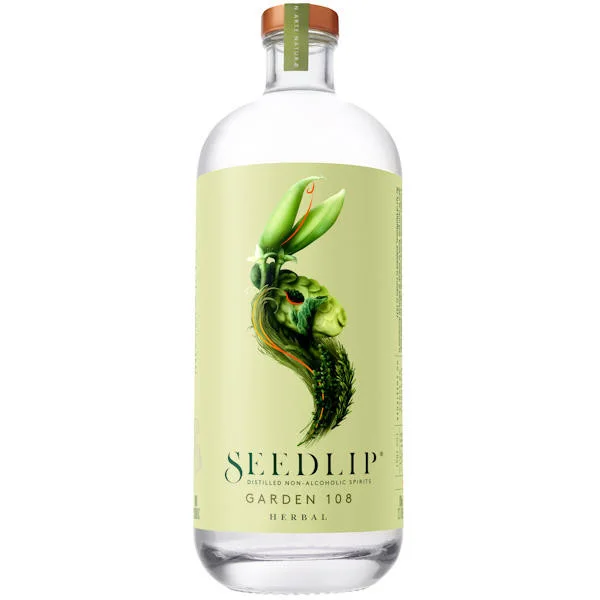
Non-alcoholic spirits are one of the fastest-growing categories in the entire drinks industry, but they're also one of the most misunderstood — many people assume they're just flavored water, when in reality the better brands are genuinely complex products built through real distillation-adjacent processes.
What "Non-Alcoholic Spirit" Actually Means
A non-alcoholic spirit is a 0.0% ABV product engineered to replicate the role a traditional spirit like gin, whiskey, or tequila plays in a cocktail — meant to be poured, mixed, and sipped the same way, rather than simply substituted with juice or soda. The category is sometimes called "zero-proof spirits" for exactly this reason: proof (the measure of alcohol strength) is genuinely zero, but the product is still built to function like a spirit.
How They're Actually Made
There's no single method — brands take meaningfully different approaches:
Distillate reconstruction — some producers distill the natural aromatic essence out of real ingredients (juniper, oak, agave) and then reconstruct the resulting nose, flavor, and mouthfeel without alcohol as the carrier.
Botanical infusion and blending — steeping and blending real botanicals, spices, and extracts in a non-alcoholic base to build layered, spirit-like complexity, similar in spirit to how bitters are made but built for pouring in volume rather than dashing.
Reverse-distilled bases — starting from an actual distilled spirit and using specialized processes to remove the alcohol while retaining as much of the flavor character as possible.
The Four Main Categories
- Gin alternatives — typically the most successful category, since gin's identity is built entirely on botanicals (juniper, coriander, citrus) rather than the alcohol itself, making it a natural fit to replicate.
- Whiskey alternatives — aim to recreate oak, caramel, and spice notes, often using real oak-derived extracts.
- Tequila alternatives — built around agave, citrus, and pepper notes to capture tequila's distinctive bite.
- Aperitif/botanical spirits — a broader category not tied to replicating one specific traditional spirit, often built as their own distinct flavor profile.
Choosing Your First Bottle
If you're new to the category, start with whichever traditional spirit you already drink most — a gin alternative if you're a gin-and-tonic drinker, a tequila alternative if margaritas are your usual order. Look at the ingredient list for real botanicals and extracts rather than an unusually short, generic ingredient panel, which is often a sign of a less complex product.
Do They Taste Exactly Like the Real Thing?
No — and the better brands don't claim to. The honest framing is "built to fill the same role in a cocktail," not "a perfect flavor match." Complexity and mixability have improved dramatically in recent years, but the alcohol itself does carry some of a traditional spirit's mouthfeel and warmth that no current process fully replicates. Approaching the category on its own terms, rather than expecting an identical substitute, is the key to actually enjoying it.
Shop the Collection
Non-Alcoholic Spirits