What Is a Pilsner? The Original Golden Lager
By The Aged & Amber Spirits Team
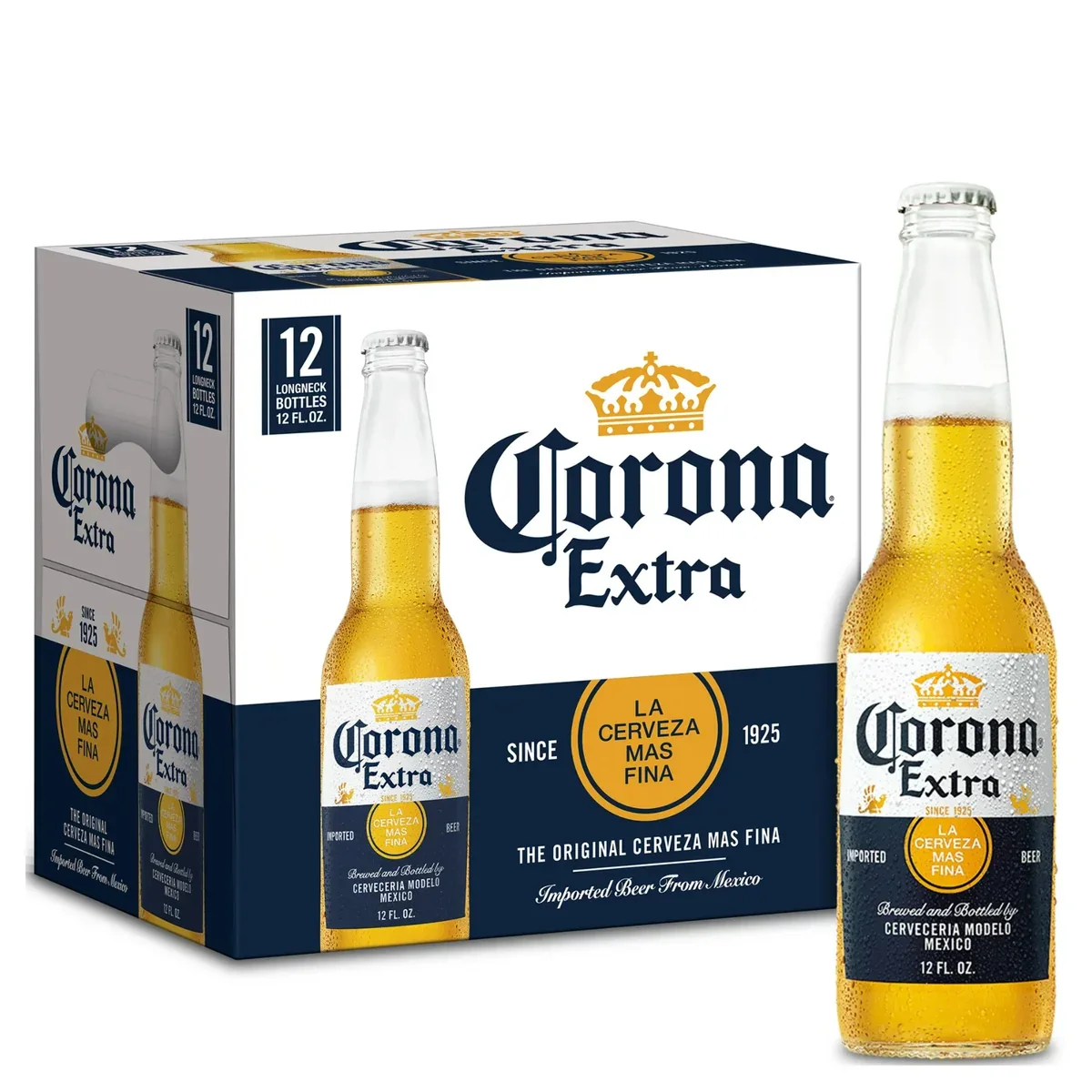
Most of the pale, golden, clear beer poured around the world today — including plenty of mass-market American lager — is a descendant of one specific beer first brewed in one specific Czech town. Understanding Pilsner means understanding why clear, golden beer was once genuinely new.
Where It Started
Before 1842, most beer in Central Europe was dark, cloudy, and top-fermented — a far cry from what "lager" means today. That year, the town of Plzeň (Pilsen), in Bohemia (part of the modern Czech Republic), produced the first clear, pale golden lager using a combination of three things that weren't typically brought together before: soft local water low in minerals, pale malt (a relatively new kiln-drying technique that avoided the darker, smokier malts common at the time), and Saaz hops, a delicate, spicy "noble" hop variety grown nearby. Bottom-fermenting lager yeast, fermented cold and lagered (stored) for an extended period, rounded out the recipe and gave the beer its clean, crisp character.
The result looked and tasted different enough from everything else being brewed that it essentially created a new category — and it was wildly, almost immediately, successful. Brewers across Europe and eventually the world began imitating the style, to the point that "Pilsner" or "pils" became one of the most copied beer styles ever created.
Czech/Bohemian Pilsner vs. German Pilsner
The style split into two major interpretations as it spread:
- Czech (Bohemian) Pilsner stays closer to the 1842 original: fuller body, a touch more malt sweetness, and a distinctive soft, spicy bitterness from Saaz hops that lingers without being sharp.
- German Pilsner developed a drier, crisper, more aggressively hop-forward profile, with a cleaner, snappier bitterness and less residual malt sweetness — a direct product of Germany's different water chemistry and hop varieties.
Both are recognizably "Pilsner," but side by side the Czech version reads rounder and the German version reads sharper and more austere.
Why Pilsner Became the World's Default Beer
Pilsner's clarity and lightness were, in the mid-1800s, a genuine technical showcase — most drinkers had never seen a beer that was pale gold and transparent in a glass, at a time when clear glassware was also becoming more available. Combined with the Industrial Revolution's refrigeration and rail advances (which made consistent cold lagering and wide distribution practical), Pilsner-style lager became the template that most of the world's mass-market beer still follows, whether or not the label ever uses the word "Pilsner" at all.
What to Look For When Trying One
A true Pilsner should taste noticeably more flavorful than a generic "light lager" — look for a genuine hop character (floral, spicy, or grassy rather than just bitter) and a clean malt backbone rather than thin sweetness. If a lager tastes like it's missing something compared to a proper Pilsner, it's often because it's a lighter, more diluted descendant rather than the real thing.
Why It Takes Longer to Brew Well
Part of what made Pilsner hard to copy well, even after the recipe became public knowledge, is the cold lagering process itself — "lager" comes from the German word for "to store," and true lagers are fermented cold and then conditioned at cold temperatures for weeks to months, far longer than most ale styles need. That extended cold conditioning is what produces the style's signature clean, crisp character with no fruity or spicy esters getting in the way of the malt and hops. A rushed, under-lagered Pilsner tends to taste rougher and less refined than one given proper time — which is one reason mass-produced "light lager" descendants, optimized for speed and cost, often taste thinner than a well-made traditional Pilsner.
Shop the Collection
Beer