What Actually Makes a Beer 'Craft'? The Real Definition
By The Aged & Amber Spirits Team
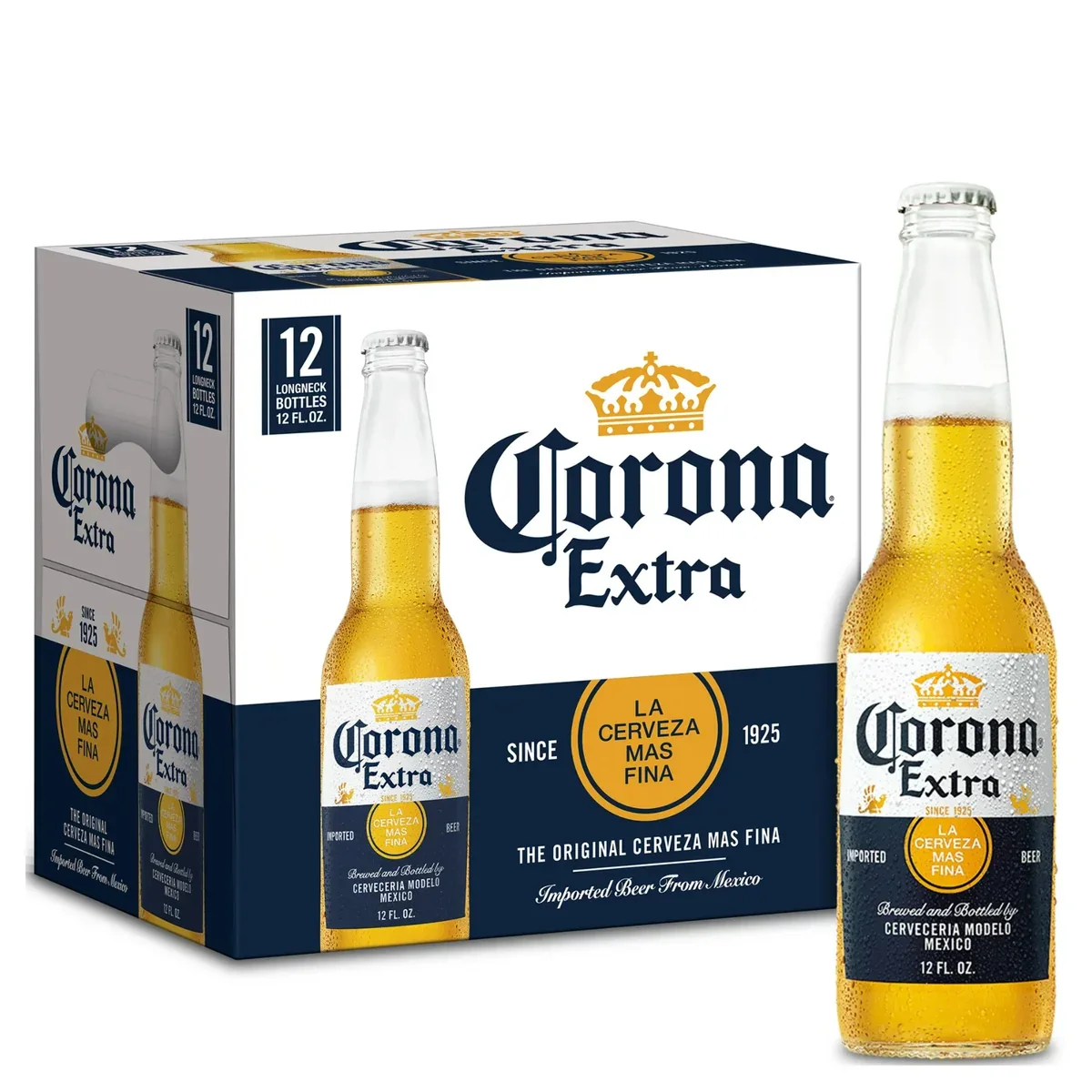
"Craft beer" gets used constantly as a vibe — a taproom, a can with illustrated art, a brewery that feels small. The US Brewers Association, the industry's main trade group, actually defines it with three specific, checkable criteria, and plenty of beer that feels craft no longer technically clears the bar.
The Three-Part Definition
The Brewers Association defines a "craft brewer" as one that is:
- Small — annual production below a defined barrel threshold (the Brewers Association periodically adjusts the exact cutoff, but it's designed to exclude the handful of largest global beer producers while covering the overwhelming majority of US breweries).
- Independent — less than 25% of the brewery is owned or controlled by a beverage alcohol industry member that is not itself a craft brewer. This is the clause that disqualifies a brewery the moment a large non-craft beverage company buys a controlling or near-controlling stake, even if nothing about the beer itself changes.
- Traditional — a majority of the brewery's total beverage alcohol volume comes from beers whose flavor comes from traditional or innovative brewing ingredients, rather than using adjuncts to lighten body or flavor rather than enhance it.
Why This Is a Different Question From "Who Owns It"
It's easy to conflate "is this craft beer" with "is this brewery independently owned," but they're related, not identical, questions. A brewery can lose its craft status purely through an ownership change — ingredients, recipe, and brewing process stay the same, but the independence criterion is the one that flips. This is exactly why some beers that still taste and feel craft, and that longtime fans still think of as craft, have been formally reclassified after acquisition by a large beverage conglomerate. The beer didn't change; the ownership structure did.
Why the Independence Clause Exists at All
The independence requirement isn't just bureaucratic box-checking — it's meant to protect what made craft beer distinct in the first place: brewers making decisions based on flavor and local identity rather than needing to hit the volume and margin targets of a publicly traded beverage conglomerate. Once a large non-craft owner holds significant control, decisions about recipe changes, distribution, and branding are no longer made independently of that owner's broader commercial interests — even if day-to-day brewing stays hands-off for a while.
What This Means as a Drinker
If "supporting an independent brewery" matters to you as much as taste, ownership is worth checking separately from how indie the branding looks — a hand-drawn label and a taproom with a punk-rock mural don't guarantee independent ownership any more than a slick can design guarantees corporate ownership. The Brewers Association and several independent trade outlets publish ownership guides specifically because labels alone don't reveal it. Taste-wise, though, the craft/non-craft distinction tells you nothing on its own — some of the most interesting, ingredient-driven beer being made today comes from breweries on both sides of that ownership line.
The Traditional Clause, in Practice
The "traditional" criterion is the one drinkers hear about least, but it matters for flavor more directly than the other two. It's aimed at distinguishing breweries built around ingredient-driven brewing — where adjuncts like rice or corn, if used at all, are chosen to add a specific character — from large-scale producers that use adjuncts primarily to cut cost and lighten body at high volume. It's why "craft" became shorthand for flavor-forward beer in the first place, even though, strictly speaking, the label is really describing a brewery's size and ownership rather than directly grading what's in the glass.
Shop the Collection
Beer