What Is Cognac Made Of? Grapes, Double Distillation & the Aging Rules
By The Aged & Amber Spirits Team
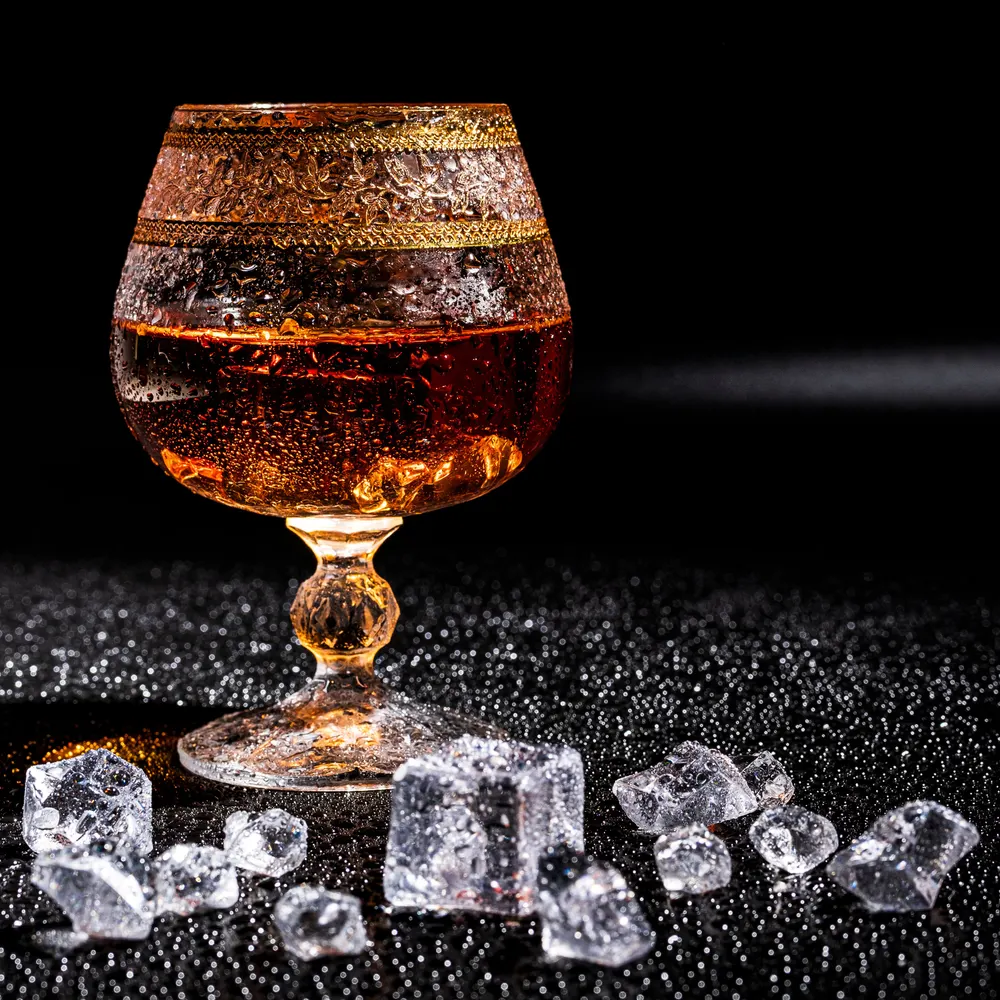
Cognac isn't just brandy with a fancier name — it's a legally protected spirit made a specific way, from a specific place, and every bottle has to follow the same core rulebook regardless of the house that makes it.
The Base: A Thin, Sour Wine
Cognac starts as wine, not grapes distilled directly. The dominant grape is Ugni Blanc, prized for cognac production precisely because it makes a low-alcohol, high-acid, fairly forgettable wine on its own — those are exactly the qualities that make it distill well, since a neutral, acidic base wine lets the fruit and oak character develop later in the process rather than fighting with grape flavor from the start.
Double Distillation in Copper Pot Stills
The wine is distilled twice in traditional Charentais copper pot stills, a method called *double chauffe* (double heating). The first pass produces a rough, cloudy spirit called the *brouillis*; the second pass, the *bonne chauffe*, is where the distiller carefully separates the "heart" of the run — the clean, usable spirit — from the "heads" and "tails" that get discarded or redistilled. Only the heart becomes cognac.
Aging in French Oak
Fresh off the still, cognac is a clear, sharp spirit. All of its color, and most of its character, comes from years spent in French oak barrels — typically Limousin or Tronçais oak, both prized for imparting tannin and vanilla-spice notes without overwhelming the fruit underneath. Every cognac must age at least two years in oak by law, but the age-designation tiers most bottles are sold under go well beyond that minimum:
- VS (Very Special) — minimum 2 years in oak
- VSOP (Very Superior Old Pale) — minimum 4 years
- XO (Extra Old) — minimum 10 years
- Extra / Hors d'Âge — no legal maximum; these are the oldest, rarest tier, often blending eaux-de-vie decades or even a century old, as with Rémy Martin's Louis XIII or Hennessy's Richard
Where It Can Legally Be Made
"Cognac" isn't a style you can make anywhere — it's an Appellation d'Origine Contrôlée (AOC), meaning it can only legally be produced in the Cognac region of southwestern France, around the towns of Cognac and Jarnac in the Charente and Charente-Maritime départements. The growing area is further divided into six crus, ranked by soil quality and prestige: Grande Champagne and Petite Champagne (the two most prized, together making up "Fine Champagne" cognac), followed by Borderies, Fins Bois, Bons Bois, and Bois Ordinaires.
Blending: The Cellar Master's Real Job
Almost no cognac is a single-barrel product. A house's cellar master blends eaux-de-vie from many barrels, vintages, and sometimes crus to hit a consistent house style year after year — this is genuinely the core craft of cognac production, similar to how a Champagne house blends across vintages rather than releasing single-harvest wine. Martell leans heavily on Borderies fruit for its violet-and-nut character; Hennessy blends across all six crus for its signature richness; Rémy Martin uses only Grande and Petite Champagne fruit, earning the "Fine Champagne" designation on every bottle.
Why This All Matters for What You're Drinking
Because of these rules, every bottle labeled cognac guarantees the same three things: French grape wine as the base, double pot-still distillation, and aging in French oak within the Cognac region. What varies is the blend, the cru sourcing, and the age — which is exactly why a Hennessy VS and a Rémy Martin XO can taste so different despite following an identical rulebook.
Shop the Collection
Cognac & Brandy