What Is Cognac? The Legal Rules and the VS/VSOP/XO System Explained
By The Aged & Amber Spirits Team
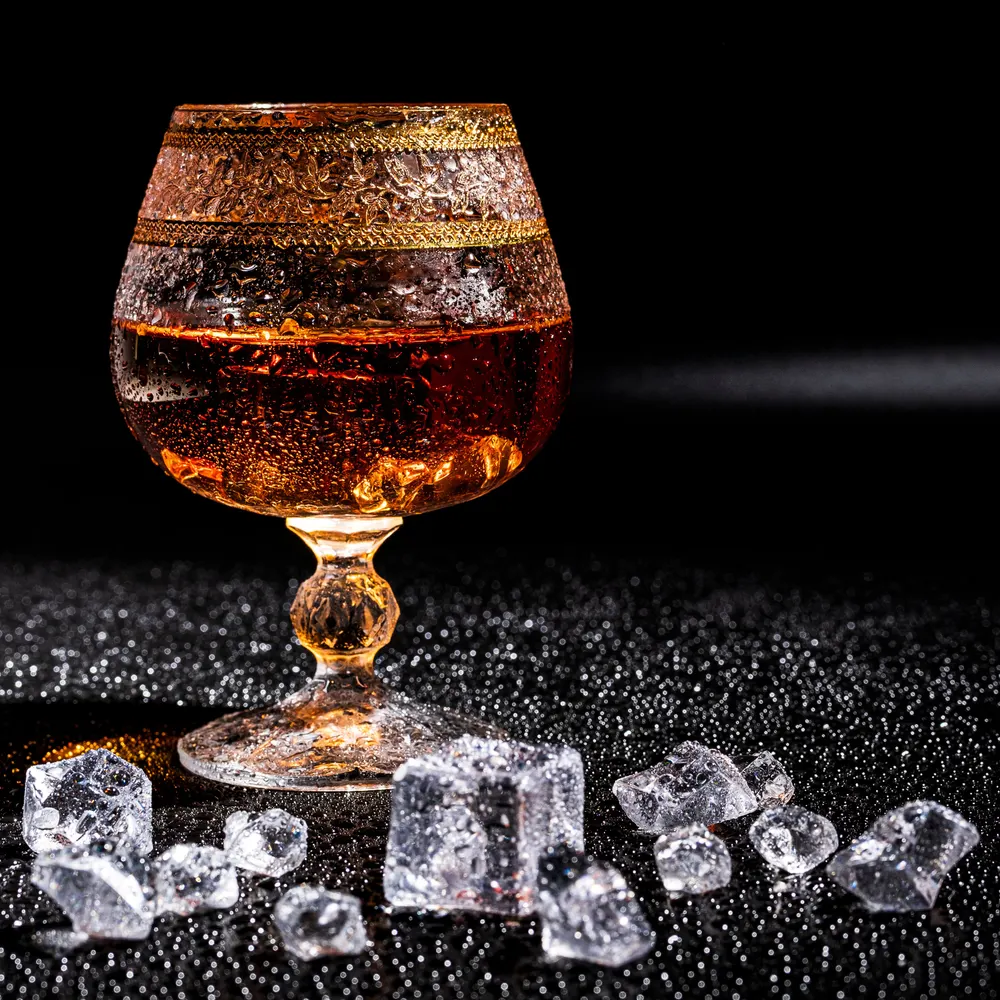
Cognac is one of the most rigorously protected spirits categories in the world — a designation of origin, like Champagne or Scotch, tied to a specific region of France and a specific production method.
The Legal Requirements
To be called cognac, a spirit must be:
- Distilled from grapes (primarily Ugni Blanc, with smaller amounts of other approved varieties) grown within the legally defined Cognac appellation in southwest France.
- Double-distilled in traditional copper pot stills called alembic charentais, following the region's specific distillation method.
- Aged a minimum of two years in French oak barrels, typically Limousin or Tronçais.
- Bottled at no less than 40% ABV.
From Grape to Bottle
Grapes are harvested and fermented into a low-alcohol, high-acid base wine — deliberately not built for drinking on its own, since acidity (not sweetness) is what makes for good distillation material. That wine is then double-distilled in copper pot stills, producing a clear spirit called eau-de-vie ("water of life"), which is then aged in French oak, where it develops its colour and characteristic dried fruit, vanilla, and rancio complexity over years or decades.
The Age Categories, Explained
- VS (Very Special): the youngest eau-de-vie in the blend is aged a minimum of 2 years. The entry point into cognac, typically showing bright fruit and light oak character.
- VSOP (Very Superior Old Pale): minimum 4 years. Noticeably more rounded and complex than VS, often considered the sweet spot for both sipping and cocktails.
- XO (Extra Old): minimum 10 years. Rich, dense, and layered, with pronounced dried fruit, leather, and rancio notes — cognac's serious sipping tier.
Note that these are minimums for the youngest component in the blend — many cognac houses blend considerably older eau-de-vie into their VSOP and XO releases well beyond the legal floor.
The Cru System
Cognac production is divided into six official growing zones (crus), ranked by soil and reputation: Grande Champagne, Petite Champagne, Borderies, Fins Bois, Bons Bois, and Bois Ordinaires. Grande Champagne is considered the most prestigious, producing the most age-worthy eau-de-vie; a cognac blending only Grande and Petite Champagne grapes can carry the "Fine Champagne" designation.
Why Cognac's Rules Matter
Every requirement — the region, the grape, the double pot-still distillation, the French oak — is enforced by French and EU law, not just marketing convention. That legal backing is exactly why "cognac" carries the international reputation it does: the name itself is a verifiable guarantee of a specific origin and production method, not just a style descriptor.
Shop the Collection
Cognac & Brandy