What Is Dark Rum?
By The Aged & Amber Spirits Team
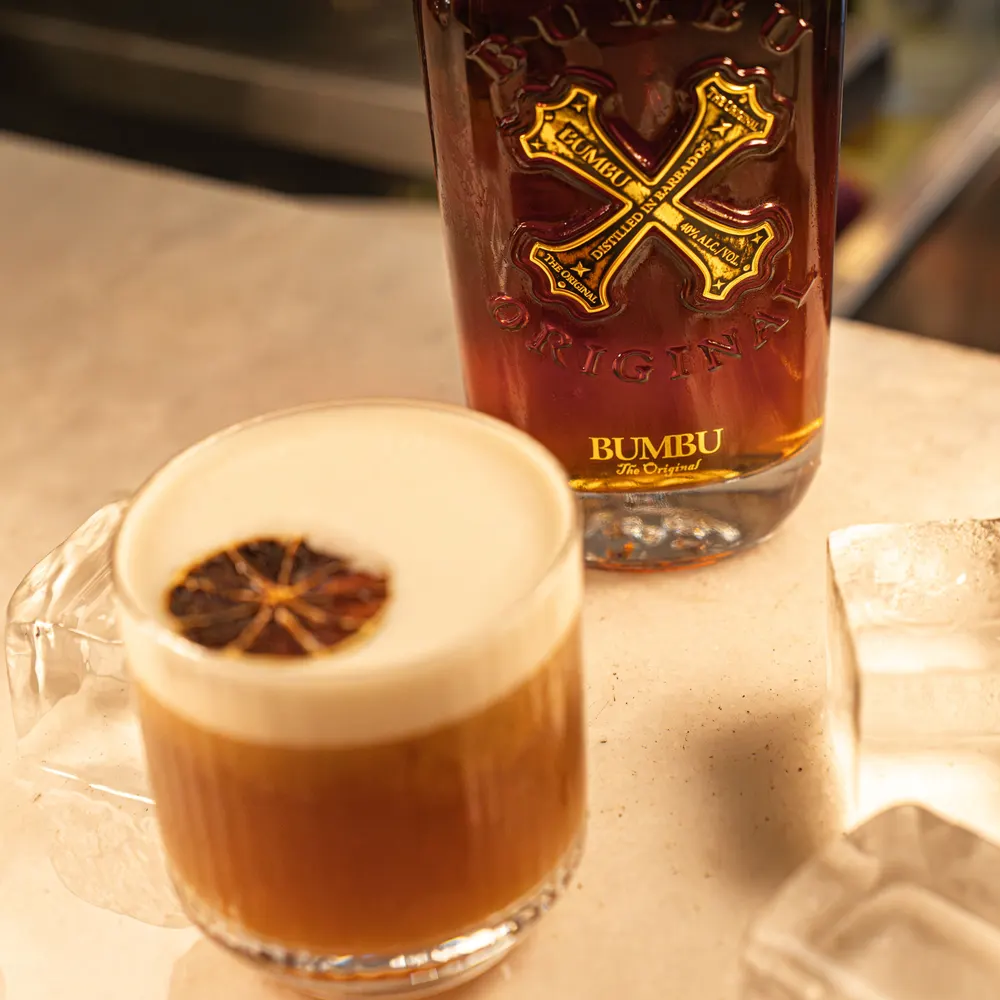
Dark rum is defined more by production choices than any single legal standard, but the resulting style is genuinely distinct from lighter rum categories.
Where the Color Comes From
Dark rum's deep amber-to-brown color typically comes from a combination of extended aging in charred oak barrels (often previously used bourbon barrels) and, in many cases, added caramel coloring — a practice that's legal and common in rum production, unlike bourbon, which prohibits any additives.
Flavor Profile
Extended barrel aging develops real depth: notes of molasses, dark caramel, dried fruit, baking spice, and toasted oak, generally with a fuller body and more pronounced sweetness than white or gold rum. Some dark rums also incorporate a higher proportion of molasses-forward, richer base spirit even before aging begins.
Dark Rum vs. Aged Rum
These terms overlap significantly but aren't identical — "dark rum" describes the color and general style, while "aged rum" specifically emphasizes time spent in barrels as the defining characteristic. Most dark rum is aged, but a rum could theoretically use significant caramel coloring to achieve a dark appearance with less actual barrel time, which is part of why serious rum drinkers pay attention to actual age statements rather than color alone.
Cocktail Uses
Dark rum's richer, spice-forward character makes it the traditional choice for tiki cocktails like the Mai Tai and Dark 'n' Stormy, where its depth stands up against strong secondary ingredients like lime, orgeat, and ginger beer, in contrast to lighter rums that would get overwhelmed in the same drinks.
Choosing a Dark Rum
Look for genuine age statements when they're available as a more reliable quality signal than color alone, and consider whether you want a heavier, more molasses-forward style (common in Jamaican dark rum) or a smoother, more balanced profile (more typical of many Caribbean and Latin American dark rums) — the category covers real stylistic range beyond just "darker equals better."
Shop the Collection
Aged & Dark Rum