What Is Rare Brandy? Beyond Cognac and Armagnac
By The Aged & Amber Spirits Team
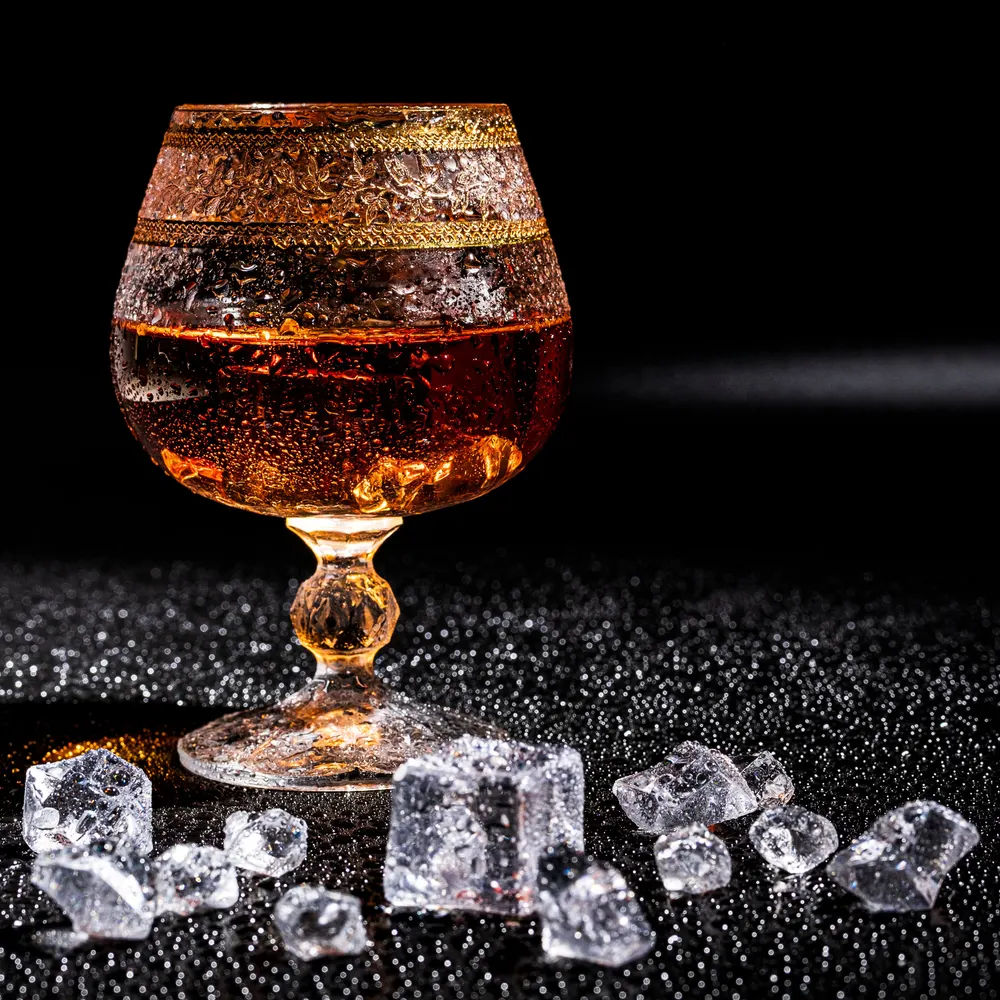
"Brandy" is one of the broadest category names in spirits — any spirit distilled from fermented fruit, usually grapes, and aged in wood technically qualifies. Cognac and Armagnac get most of the attention because they're protected, geographically defined French styles, but some of the most interesting bottles in the category come from well outside those two regions.
Brandy Is the Category; Cognac Is One Style Within It
It's worth stating plainly: all cognac is brandy, but not all brandy is cognac. Cognac must be produced in the legally defined Cognac region of France, from specific grape varieties, double-distilled in copper pot stills, and aged in French oak under strict rules. Armagnac follows a similar logic from a neighboring French region, typically using a single continuous still rather than cognac's double pot-still distillation, producing a generally more rustic, intensely flavored style. Brandy, as a category, has none of those geographic or production restrictions — it's simply the umbrella term.
Spanish Brandy de Jerez: Solera-Aged in Sherry Casks
Produced around Jerez in southern Spain, Brandy de Jerez is matured using the solera system — the same fractional blending method used for sherry itself, where younger brandy is gradually blended into a stack of barrels containing progressively older brandy, rather than every bottle coming from one single-vintage barrel. Because the barrels previously held sherry, the brandy picks up a distinctive nutty, slightly saline, dried-fruit character you won't find in cognac or Armagnac. Brandy de Jerez has its own regulated age tiers (Solera, Reserva, Gran Reserva) roughly analogous to cognac's VS/VSOP/XO ladder.
American and Other Grape Brandy
Outside the protected European regions, grape brandy is produced wherever wine grapes grow — including a long-standing American tradition, particularly in California, often made in a single-vintage style closer to how a wine might be labeled, rather than a multi-vintage blend. These bottles can vary enormously in style since there's no single regulatory template to follow, which makes house reputation and specific tasting notes especially important when shopping this tier.
Fruit Brandy Beyond Grapes
Brandy doesn't have to start with grapes at all. Apple brandy (sometimes called applejack in its American form) is distilled from fermented apple cider and aged in oak, producing a fruitier, often slightly sharper spirit than grape-based brandy. Other fruit brandies — pear, cherry (kirsch), plum (slivovitz) — exist across European tradition as well, though many of the clear, unaged versions of these are closer to eau-de-vie than to aged brandy proper.
What Actually Makes a Brandy "Rare"
A handful of factors genuinely drive rarity in this category, beyond just an impressive-sounding label:
- Extended solera or barrel age — brandies that have spent decades in a solera system or a single barrel accumulate real scarcity, since that barrel space can't be used for anything else in the meantime.
- Single-vintage releases — a brandy from one specific harvest year, rather than a blend across vintages, is inherently limited to whatever that year's harvest produced.
- Limited production runs — smaller producers, or a house's top-tier flagship release, naturally produce far fewer bottles than a standard blended expression.
- Discontinued or historic stock — brandy from a closed distillery, or an old reserve a house only occasionally releases, carries genuine scarcity that can't be replicated.
What We Look For
When Aged & Amber sources rare brandy for the vault, our spirits team looks past the word "rare" on a label to the actual story behind it — a real solera age statement, a genuine single-vintage harvest year, or a documented limited production run, rather than scarcity implied by packaging alone.
Putting It Together
Brandy's diversity is exactly what makes it worth exploring past cognac and Armagnac — a solera-aged Brandy de Jerez, a single-vintage American grape brandy, or a well-aged apple brandy each offer a genuinely different expression of "fruit spirit aged in wood," and each rewards the same kind of attention to real production detail that makes cognac's VS-to-XO ladder worth understanding in the first place.
Shop the Collection
Cognac & Brandy