What Is Rye Whiskey? America's Spiciest Spirit, Explained
By The Aged & Amber Spirits Team
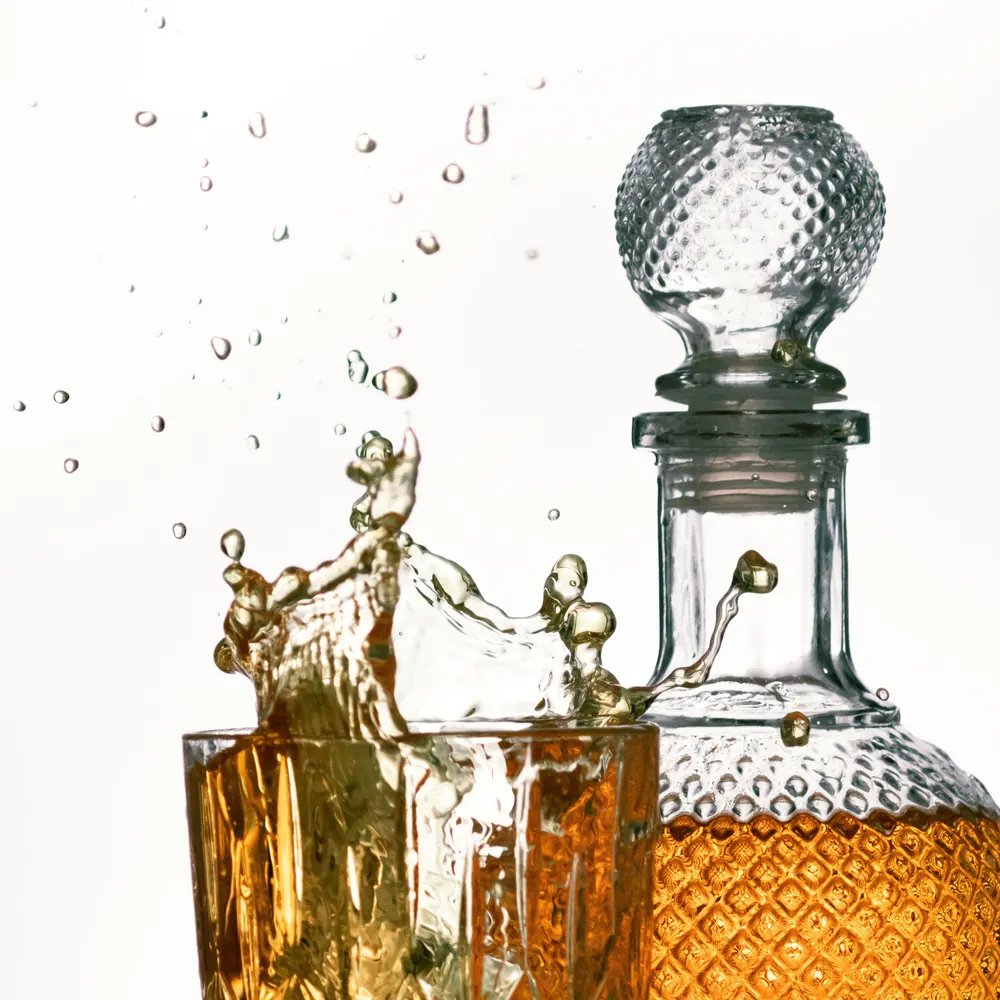
Rye whiskey is one of the oldest American whiskey styles, predating bourbon's rise in popularity and still defining some of the country's most enduring cocktails. Understanding what legally makes a whiskey "rye" — and why it tastes so different from its corn-forward cousin — makes it much easier to pick the right bottle for sipping or mixing.
The Legal Definition
Under US federal regulations, rye whiskey must be distilled from a mash bill containing at least 51% rye grain, distilled to no more than 160 proof, entered into new charred oak barrels at no more than 125 proof, and bottled at no less than 80 proof. No added coloring or flavoring is permitted. "Straight rye whiskey" adds a minimum two-year aging requirement, the same standard that applies to straight bourbon.
The remaining mash bill (up to 49%) is typically a mix of corn and malted barley, though some producers push rye content well above the legal minimum — a "high-rye" bourbon might sit at 20-35% rye, while a 95% rye mash bill is common among the most aggressively spicy expressions on the market.
Why Rye Tastes So Different From Bourbon
Corn brings natural sweetness — vanilla, caramel, baking spice. Rye grain brings the opposite: a dry, peppery, almost herbal bite with notes of clove, dill, and cracked black pepper. Where bourbon leans rich and dessert-like, rye leans savory and assertive. This is the single biggest reason the two styles behave so differently in a cocktail — rye's spice cuts through sweet vermouth and bitters instead of being buried by them.
Straight Rye vs. Blended Rye
- Straight rye whiskey is unblended, aged at least two years, and must come from a single state if the label says so (e.g., "Kentucky straight rye").
- Blended rye whiskey combines straight rye with other whiskeys or neutral spirits, producing a lighter, more consistent, and generally less expensive product.
Most of the rye worth seeking out for sipping is labeled straight rye — it's the version that actually reflects a distiller's mash bill and barrel program rather than a blend built for cost consistency.
Rye in the Classic Cocktail Canon
Rye whiskey isn't just older than the modern cocktail — in many cases it predates it. The Manhattan, the Sazerac, and the Old Fashioned were all originally built on rye before bourbon's post-Prohibition dominance shifted bartenders toward the sweeter grain. A Manhattan made with rye instead of bourbon is noticeably drier and spicier, which is why many classic cocktail bars default to rye unless a guest specifically asks for bourbon.
What to Look For When Choosing a Bottle
- Mash bill percentage — a 51-57% rye bottle will taste closer to a spicy bourbon, while a 95% rye mash bill delivers the style's full peppery intensity.
- Proof — barrel or cask strength rye (often 110+ proof) holds up better in a stirred cocktail without getting diluted into blandness.
- Age statement — rye mellows quickly compared to bourbon; a 4-6 year rye is often already well-rounded, where a bourbon of the same age can still taste hot.
Final Thought
Rye whiskey rewards drinkers who want more bite and less sugar in their glass. It's the whiskey a lot of serious cocktail bars reach for first, and once you've tasted a well-made straight rye side by side with a bourbon, the difference stops being abstract — it's immediate, on the first sip.
Shop the Collection
Rye & Other Whiskey