What Is Vodka Made From?
By The Aged & Amber Spirits Team
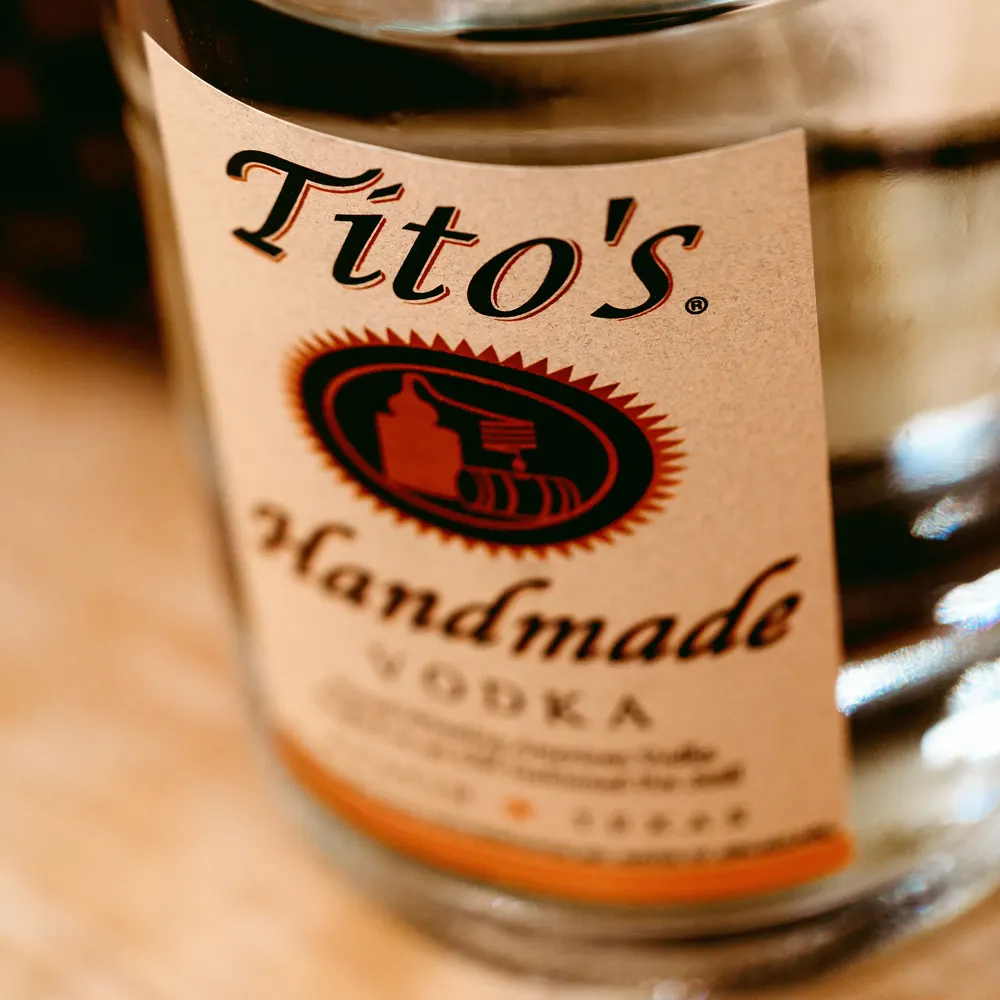
Vodka has one of the loosest raw-ingredient requirements of any major spirit category, which is exactly why "what is vodka made from" doesn't have a single simple answer.
The Legal Definition
Vodka's core legal definition centers on the finished product's characteristics rather than a required starting ingredient: it must be distilled to a very high proof and filtered to be effectively neutral in flavor, character, and aroma. Nearly any fermentable base can technically produce vodka, as long as the final distillate meets that neutrality standard.
Grain Vodka
The most common base globally, grain vodka is typically distilled from wheat, rye, or corn. Different grains can produce subtly different textures and mouthfeel even after heavy distillation and filtration, though the differences are far more subtle than in whiskey, where the grain remains the flavor centerpiece.
Potato Vodka
Historically associated with Poland and parts of Eastern Europe, potato vodka is often described as having a slightly heavier, creamier mouthfeel than grain vodka, though — like grain vodka — the difference is subtle given vodka's overall neutral-flavor design goal.
Grape Vodka
A smaller but genuinely notable category, grape vodka is distilled from grapes rather than grain or potato — Cîroc is the best-known example, distilled from French grapes, giving it a claimed slightly different, smoother character according to the brand, though blind-tasting differences remain debated among reviewers.
Other Bases
Vodka has also been produced from sugar beets, corn, and even fruit beyond grapes — reflecting how flexible the category's legal definition genuinely is compared to whiskey's strict grain-and-process rules.
Does the Base Ingredient Actually Matter?
This is genuinely debated. Because vodka is specifically designed to be neutral, heavily filtered, and nearly flavorless by definition, the practical flavor difference between a grain, potato, or grape vodka is far smaller than the marketing around each base often suggests — though texture and mouthfeel differences are more commonly reported by experienced tasters than dramatic flavor differences.
Shop the Collection
Craft Vodka