Why Is Japanese Whisky So Expensive?
By The Aged & Amber Spirits Team
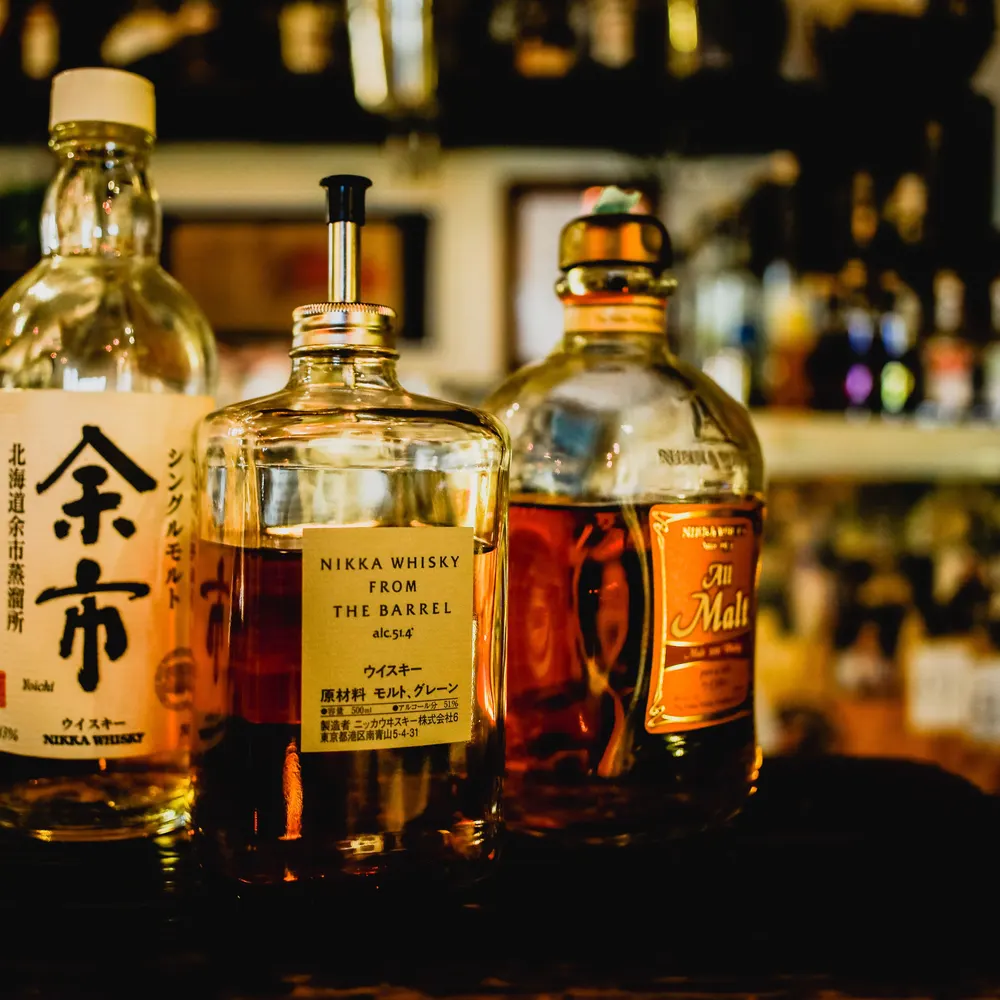
Japanese whisky's price climb over the past 10-15 years is one of the most dramatic in the entire spirits world, and unlike some hype-driven categories, the underlying causes are genuinely structural.
The Core Problem: Demand Outpaced a Decades-Old Production Decision
Japanese whisky sat in relative global obscurity through the 1990s and early 2000s, a period when Japanese distilleries scaled back production due to weak domestic demand. When international interest exploded starting around the mid-2010s — driven partly by international award wins and media attention — distilleries suddenly faced huge new demand for whisky that needed to have been distilled and aged over a decade earlier. There was no way to retroactively produce more age-stated whisky from that under-invested period.
Discontinued Age Statements
Faced with insufficient aged stock, several major Japanese producers discontinued age-stated core releases entirely (Hibiki 17, Hakushu 12, and others were pulled from the standard lineup), shifting toward No Age Statement releases and driving the remaining aged stock — and any bottles still in circulation — to command dramatically higher prices.
Real Scarcity, Not Manufactured Hype
Unlike some collectible categories where scarcity is partly artificial, Japanese whisky's supply constraint is genuinely rooted in a production decision made decades ago that can't be undone quickly — every additional year of aged stock has to actually pass through real time in a barrel, the same structural limitation affecting Pappy Van Winkle in bourbon.
Rising Production Investment
In response, Japanese distilleries have significantly expanded production capacity and warehouse investment over the past decade specifically to build up stock for the future — meaning today's scarcity should ease over the coming years as that new production reaches maturity, though that's a multi-year process by nature.
What This Means for Buyers
Older, age-stated Japanese whisky (especially anything from before the major discontinuations) commands genuine collector pricing. Newer NAS releases and smaller, emerging distilleries offer a more accessible way to explore Japanese whisky's style without the premium attached to legacy age-stated bottles increasingly scarce by design of decisions made a generation ago.
Shop the Collection
Japanese Whisky
Frequently Asked Questions
Related Articles
Japanese Whisky EducationNikka, Hibiki, Yamazaki, Togouchi & Mars Shinshu: A Guide to Japan's Whisky Houses
5 min readJapanese Whisky EducationWhat Defines Japanese Whisky? The 2021 Regulation, Explained
4 min readJapanese Whisky Education