Flavored Vodka Guide: How It's Made & Best Styles to Try
By The Aged & Amber Spirits Team
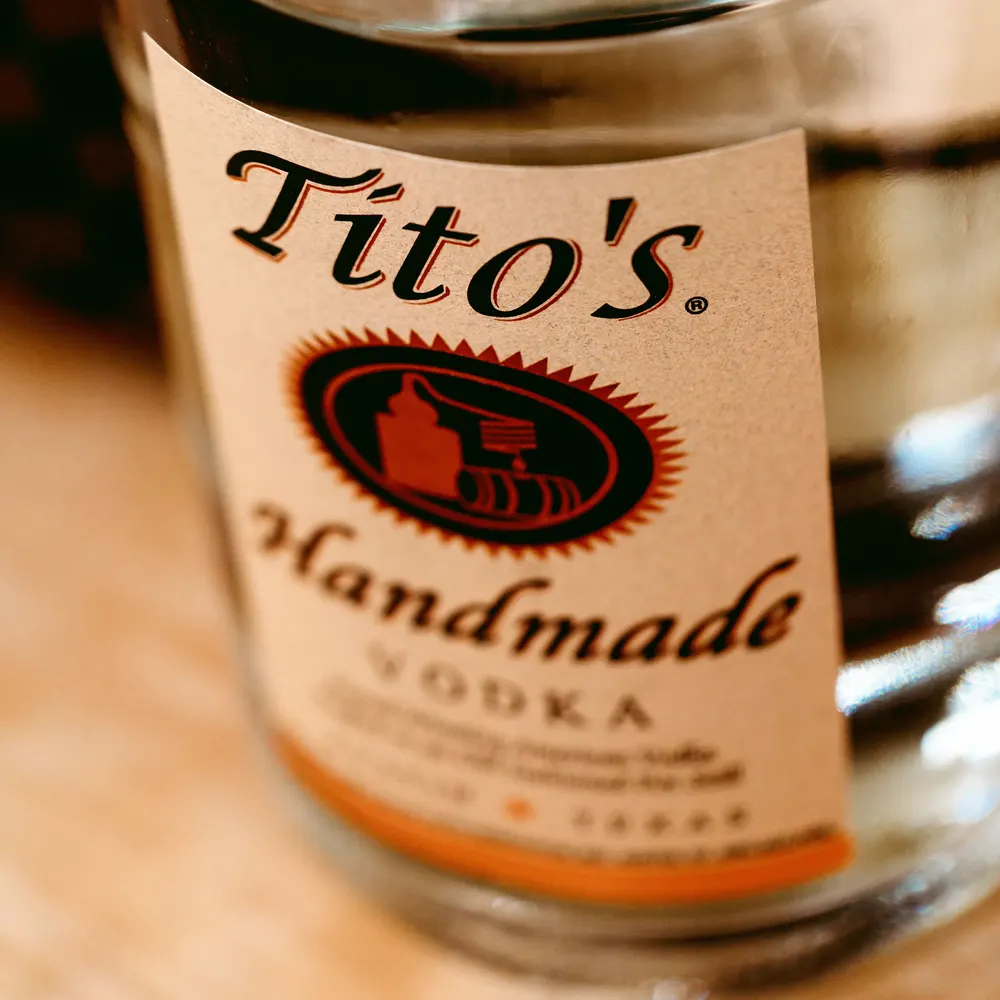
Flavored vodka has a reputation problem: decades of candy-sweet, artificially flavored mass-market bottles have made some drinkers write off the entire category. But a well-made flavored vodka — built on real extraction and restraint rather than syrup — is a genuinely different, and genuinely good, drinking experience.
How Flavoring Is Actually Added
There are two broad approaches, and they produce very different results:
- Maceration/infusion — real fruit, spices, or botanicals are steeped directly in the neutral spirit (or sometimes redistilled with it), extracting natural oils, aromatics, and subtle sweetness. This is slower and more expensive, but produces a flavor that reads as genuine rather than syrupy.
- Flavor extract or essence addition — a concentrated natural or artificial flavoring compound is added directly to finished vodka, often alongside added sugar. This is faster and cheaper, and it's where most of the category's "too sweet" reputation comes from.
Reading a back label for the words "natural flavors," "macerated," or "infused" — versus a long list of mass-produced flavor compounds — is a reasonably reliable way to guess which camp a bottle falls into before you taste it.
Popular Flavored Vodka Styles
- Citrus (lemon, orange, grapefruit) — the most versatile style, substitutes cleanly into almost any vodka cocktail that already uses citrus, and works well simply over ice.
- Vanilla — rounds out cream-based cocktails and dessert-style drinks; look for one using real vanilla bean extraction rather than vanillin flavoring alone.
- Pepper — a savory, slightly spicy style built for a Bloody Mary, where a neutral vodka would otherwise disappear under the tomato and spice.
- Cucumber — clean, vegetal, and refreshing, popular in warm-weather cocktails and simple vodka sodas.
- Berry (raspberry, blackberry) — tends to be the sweetest common style; best used sparingly as a modifier rather than the base of a whole drink.
How to Serve Each Style
Flavored vodka is generally at its best either very simply (over ice, or with soda water and a wedge of complementary fruit) or in a cocktail built specifically around its flavor rather than one it's just substituted into. A pepper vodka wants a Bloody Mary; a cucumber vodka wants a gin-and-tonic-style long drink; a citrus vodka is flexible enough to stand in for a classic vodka martini or a vodka collins.
Spotting a Well-Made Bottle
A few practical tells separate the better end of the category from the candy-sweet end:
- Check the sugar content, if listed — a genuinely well-balanced flavored vodka rarely needs much added sugar to taste good, since the flavor itself is doing the work.
- Smell before you taste. A natural, infused vodka smells like the actual fruit or spice; an artificially flavored one often smells more like a flavored candy or soda.
- Look for a shorter ingredient list. Vodka, water, and a named natural flavor source is a good sign; a long list of stabilizers and multiple sweeteners usually isn't.
What We Look For
When Aged & Amber selects flavored vodka for the vault, we favor producers who are specific about real fruit or botanical sourcing and restrained with added sugar — bottles that taste like the thing they're named after, rather than a sweetened approximation of it.
Putting It Together
Flavored vodka isn't inherently a lesser category — it's just one where the gap between a well-made bottle and a mass-market one is unusually wide. Look past the flavor name on the label and toward how it was actually made, and you'll land on bottles worth keeping in rotation rather than ones that only work drowned in mixer.
Shop the Collection
Craft Vodka