Does '5x Distilled' Vodka Actually Mean Anything?
By The Aged & Amber Spirits Team
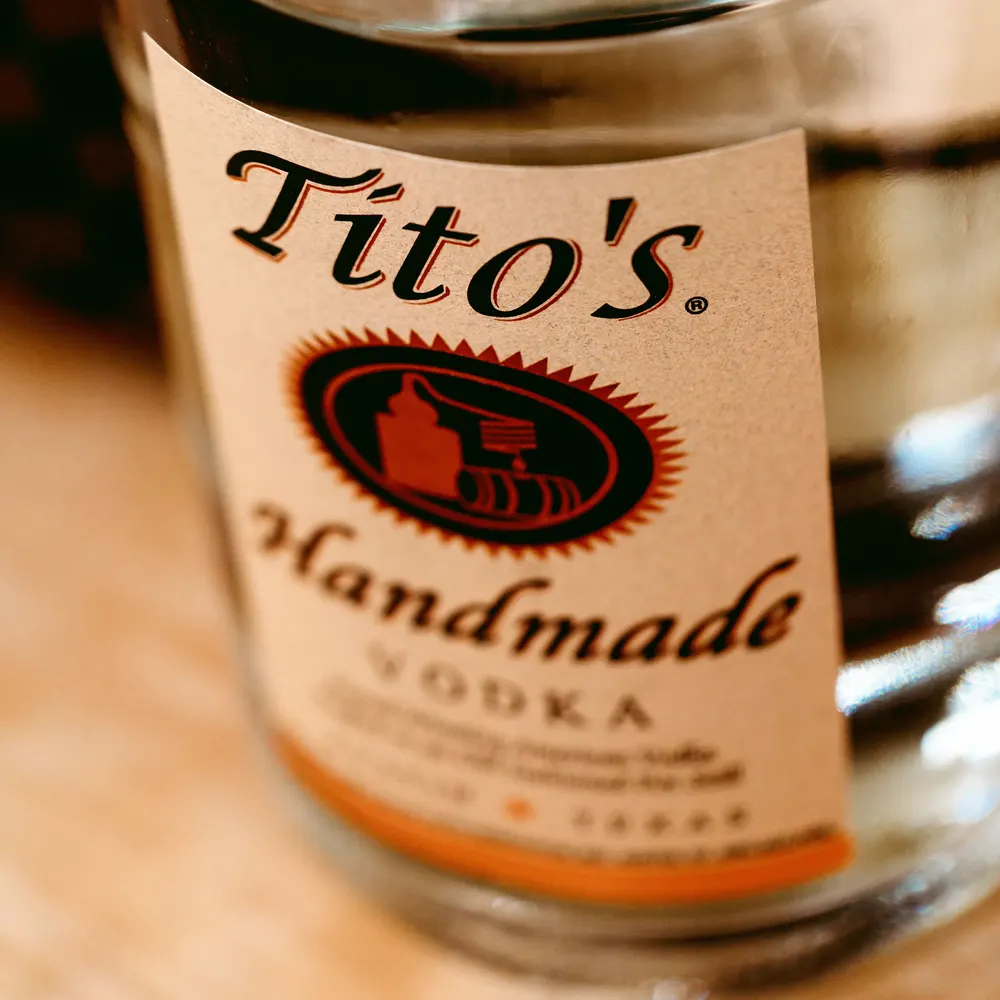
Walk down a vodka aisle and you'll see it on bottle after bottle: "5 times distilled," "quadruple distilled," even "10x distilled," usually printed somewhere near the word "smooth." It's one of the most common marketing claims in the entire spirits category — and one of the most misunderstood.
What Distillation Count Actually Means
Distillation is the process of heating a fermented liquid (the "wash") to separate alcohol from water and other compounds, based on their different boiling points. Each additional distillation pass further concentrates the alcohol and removes more of the congeners — the flavor and aroma compounds that come along with fermentation, including some genuinely unpleasant ones at lower purity levels.
In theory, more passes mean a purer, more neutral spirit. That part is technically true. The issue is what "a pass" actually means on modern equipment.
Pot Stills vs. Column Stills: The Part the Label Doesn't Mention
A small batch pot still — the kind used for whiskey or traditional spirits — does one distillation per physical run, and getting from raw wash to a clean, high-proof spirit genuinely might take several passes through a pot still to reach the purity most vodka requires.
But the vast majority of commercial vodka is made on a continuous column still (also called a Coffey still or reflux column), which is functionally equivalent to running dozens of individual distillations in a single continuous operation. A single pass through a well-designed column still can already produce a spirit well above 190 proof — essentially pure ethanol and water, with congeners reduced to trace levels.
This means a vodka brand can accurately claim "5x distilled" by counting individual physical runs through a smaller still, while a competitor's single pass through an industrial column still may achieve equal or greater purity. The number on the label isn't false, but it's measuring something that doesn't translate cleanly into "more distilled = smoother" the way the marketing implies.
What Actually Determines How Vodka Tastes
If distillation count isn't the deciding factor, what is? A few things matter far more:
- Base ingredient — wheat, rye, corn, potato, grape, or another fermentable base each contribute a subtly different character even after heavy distillation and filtration.
- Water source and mineral content — vodka is typically diluted to bottling proof with water, and that water's mineral profile genuinely affects mouthfeel.
- Filtration method — charcoal, quartz, or other filtration media after distillation can smooth out remaining rough edges in ways that are at least as noticeable as an extra distillation pass.
- Distiller's cuts — the skill involved in separating the "heads," "hearts," and "tails" of each distillation run (discarding the harsher compounds at the start and end) affects final quality more than raw pass count.
Why the Marketing Persists Anyway
"5x distilled" is a simple, confident-sounding number that's easy to print on a label and easy for a shopper to compare at a glance — even though it doesn't correspond to a standardized, independently verified measure of purity or quality across brands. It's not dishonest, exactly; it's just a far less meaningful data point than it appears to be next to a louder word like "smooth."
Final Thought
Distillation count isn't meaningless, but it's one of the weaker signals of vodka quality on a label, and it tells you almost nothing about which still technology was actually used to get there. Base ingredient, water, and filtration do far more of the real work — worth remembering the next time "10x distilled" is the deciding factor on a shelf.
Shop the Collection
Craft Vodka