Spiced Rum vs. Dark Rum: What's Added After Distillation
By The Aged & Amber Spirits Team
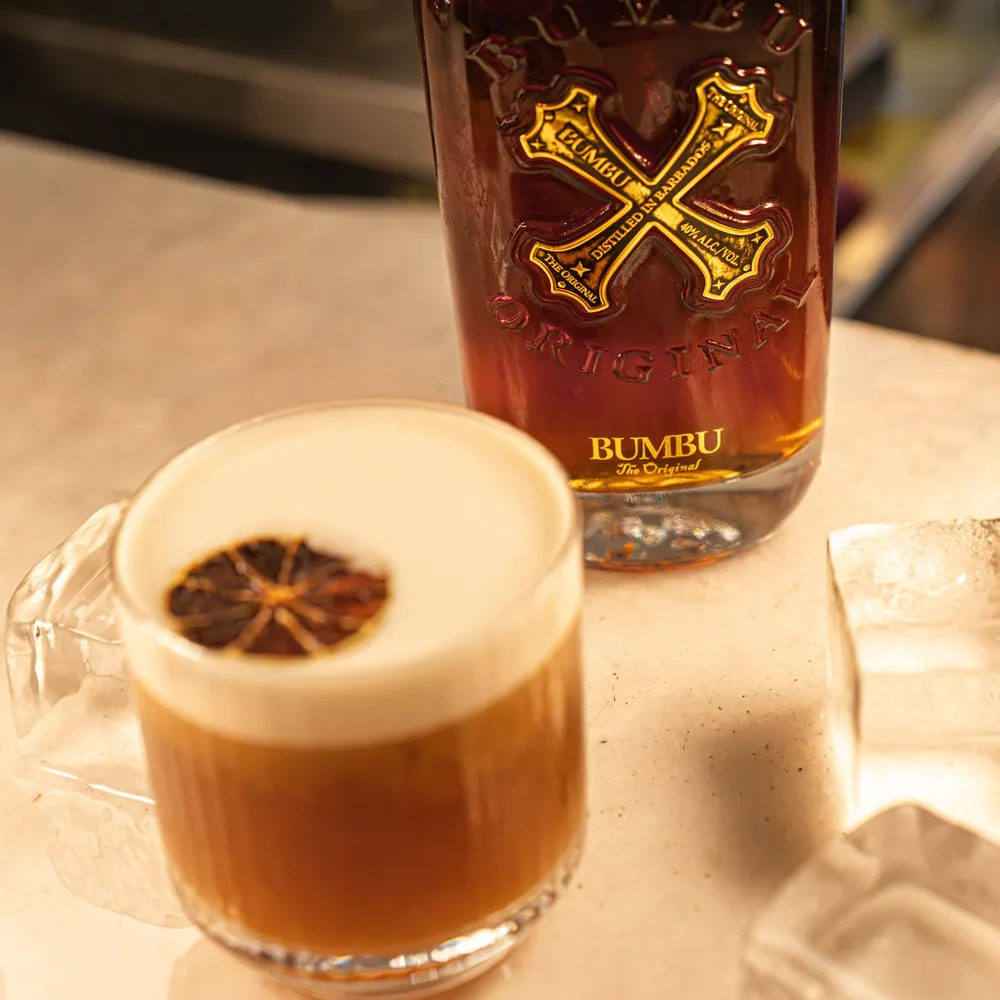
Rum's color and flavor labels can be confusing, because two bottles that look nearly identical in the glass — a deep amber or mahogany rum — can be built in completely different ways. The clearest distinction worth knowing is between dark rum and spiced rum, which share a similar appearance but arrive at it through very different processes.
Dark Rum: Color and Flavor From Oak Alone
Dark rum earns its color and the bulk of its flavor purely from barrel aging — typically in used oak, often ex-bourbon barrels, sometimes ex-cognac or ex-sherry casks. As the spirit rests, it pulls caramel, toasted coconut, dark baking spice, molasses, and vanilla directly from the wood, along with its deep amber-to-mahogany color. Nothing is added after the spirit comes out of the barrel beyond, in some cases, a small amount of caramel coloring for consistency between batches — the flavor itself is a genuine product of time and wood.
Spiced Rum: A Flavored Spirit Built on an Aged Base
Spiced rum starts from a similar aged base — sometimes genuinely barrel-aged, sometimes a younger or even unaged rum colored to look aged — and then has spices, extracts, caramel, or other flavoring added directly after distillation. Common additions include:
- Cinnamon and clove — the most common backbone of a "spiced" profile.
- Vanilla — rounds out the sweetness and smooths sharper spice notes.
- Caramel or molasses flavoring — deepens color and adds body, sometimes compensating for a younger base spirit.
- Citrus peel or other botanicals — used by some producers for a brighter, more complex spice profile.
Because spices and flavoring are added rather than extracted from wood over years, spiced rum can be produced faster and more cheaply than a genuinely long-aged dark rum — which is part of why the category skews toward more affordable, mixer-friendly bottles.
How to Tell Them Apart on a Label
A few practical tells:
- Look for an age statement. A dark rum proud of its aging will usually state it (8 Year, 12 Year, and so on). Spiced rum rarely carries a meaningful age statement, since the aging of the base spirit is secondary to the added flavoring.
- Check the ingredient or ABV proof point. Spiced rum is sometimes bottled at a slightly lower proof than a comparable dark rum, since the added flavoring and sugar can carry some of the perceived weight on the palate.
- Read for words like "spiced," "flavored with natural flavors," or a named spice blend — regulators generally require flavored spirits to disclose that something was added, even if the specific recipe stays proprietary.
- Taste for genuine wood tannin. A true dark rum will show real oak structure and dryness underneath its sweetness; a spiced rum often tastes rounder and sweeter all the way through, with less of that underlying tannic backbone.
Classic Uses for Each
Dark rum is the backbone of drinks that want real oak-driven depth without added sweetness — a Dark 'n' Stormy, a rum old fashioned, or simply neat as a sipping rum in its own right. Spiced rum is built for easier, more casual mixing: a rum and cola, a simple rum punch, or spiced rum with ginger beer, where its built-in sweetness and spice do a lot of the cocktail's work without needing much else.
What We Look For
When Aged & Amber sources dark rum for the vault, our spirits team prioritizes bottles that are transparent about real barrel aging and cask type rather than relying on added coloring to imply age. For spiced rum, we look for producers who start from a genuinely aged base and use real spice extraction rather than leaning entirely on sugar and artificial flavoring to carry the drink.
Putting It Together
Both styles have a real place in a home bar, but they're solving different problems: dark rum rewards sipping and cocktails that want genuine oak character, while spiced rum is built for easy, approachable mixed drinks. Knowing which one you're actually holding — rather than judging by color alone — makes it much easier to reach for the right bottle.
Shop the Collection
Aged & Dark Rum