White Rum vs. Dark Rum: Why Some Rum Is Clear and Some Isn't
By The Aged & Amber Spirits Team
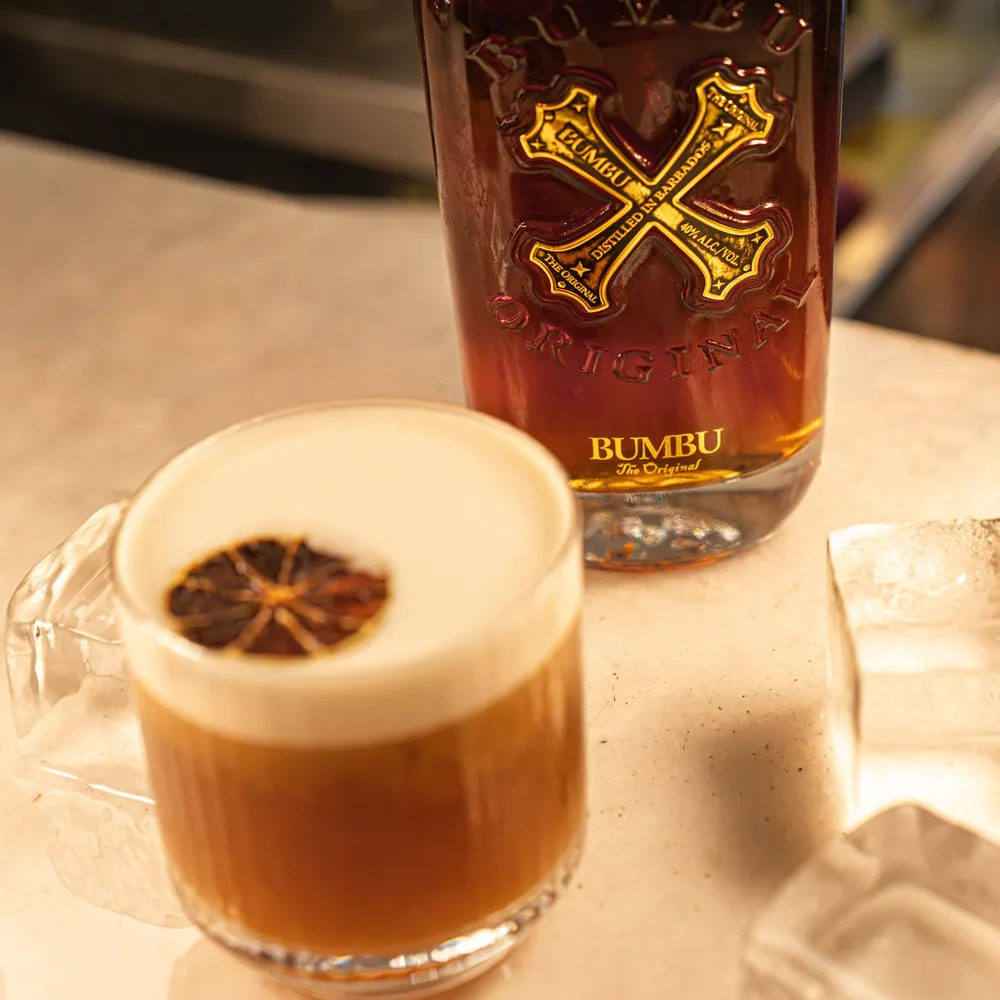
Rum's color tells you more about how it was made than almost any other spirit category, which makes the white-versus-dark distinction one of the most useful things to understand before buying a bottle.
White Rum: Built to Stay Clear
White rum (also called silver or light rum) is either unaged or aged only briefly, then typically charcoal filtered to strip out any color picked up from the barrel, leaving a clear, light-bodied spirit. The goal is a clean, relatively neutral base spirit that lets other cocktail ingredients — lime, mint, sugar — do the talking, which is exactly why it's the backbone of the mojito and the daiquiri. Some white rums are aged briefly in stainless steel rather than wood specifically to avoid picking up color at all.
Dark Rum: Built on Barrel Time
Dark rum is matured in oak — often used bourbon barrels, sometimes ex-cognac or ex-sherry casks — for long enough to pull real color and flavor from the wood: molasses, toasted coconut, dark baking spice, and a deep amber-to-mahogany hue. Unlike white rum, dark rum is meant to show that barrel character, not hide it, and the aging is usually long enough to leave genuine oak tannin and structure on the palate.
The Role of Charcoal Filtration
Charcoal filtration is the key technical step separating many white rums from their aged origins. A rum can genuinely spend time in a barrel and still be filtered back to clear afterward — meaning "unaged" and "white" aren't always the same thing. This is why some white rums list an age statement on the back label even though the rum itself looks completely clear.
Aging Length Differences
- White rum is often bottled with minimal aging — sometimes just a few months, sometimes none at all beyond a short rest to let the spirit settle.
- Dark rum typically carries a meaningful age statement, commonly anywhere from a few years up through 12, 15, or even 20+ years for premium expressions, with flavor complexity generally deepening the longer it rests in oak.
Which Style Suits Which Cocktail
White rum is built for drinks where you want the rum to disappear into the background and let citrus, mint, or sugar lead — the mojito, the daiquiri, a classic rum and soda. Dark rum is built for drinks that want its oak-driven depth front and center — a Dark 'n' Stormy, a rum old fashioned, a rum punch built around real barrel character, or simply sipped neat the way you might a mid-shelf bourbon.
What We Look For
When sourcing white rum for Aged & Amber's vault, our spirits team favors bottles that are transparent about whether the spirit was genuinely unaged or aged-then-filtered, since both can be excellent but taste subtly different. For dark rum, we look for producers who state real cask type and age rather than implying depth through added coloring alone.
Putting It Together
Color in rum isn't just an aesthetic detail — it's a reasonably reliable signal of production choice. White rum is made to get out of a cocktail's way; dark rum is made to be the main event. Knowing which job a bottle is built for makes it much easier to reach for the right one, whether you're building a round of daiquiris or pouring a rum neat after dinner.
Shop the Collection
Aged & Dark Rum