What Is Mizunara Oak? Why Whisky Tastes Like Incense
By The Aged & Amber Spirits Team
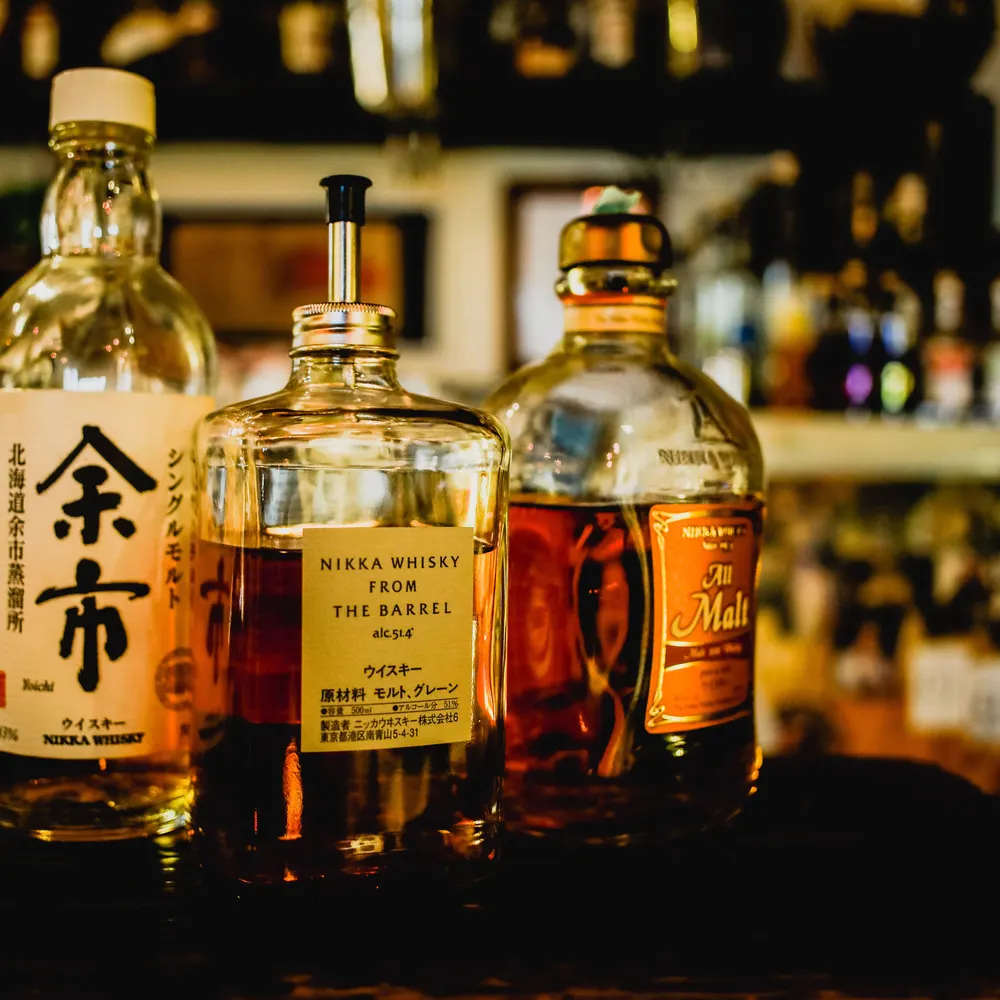
Ask a Japanese whisky distiller what separates their spirit from Scotch and American whiskey, and sooner or later they'll mention mizunara — the native Japanese oak that gives certain expressions a flavor found nowhere else in the whisky world.
What Mizunara Actually Is
Mizunara (*Quercus crispula*, sometimes called Japanese oak or water oak) is a species native to the mountains of Hokkaido and northern Honshu. The name translates roughly to "water oak," a reference to the high water content in the living tree rather than anything to do with the finished barrel.
Mizunara trees grow slowly and unevenly, and distillers typically won't harvest one younger than 200 years old. That alone makes mizunara barrels scarce and expensive compared to American white oak or French oak, which are farmed on much shorter, more predictable cycles.
Why Coopers Dread It
Mizunara is notoriously difficult to work into a barrel. The grain is loose and porous, which means staves leak far more readily than oak used elsewhere, and the wood itself is prone to splitting during the bending process coopers use to shape barrel staves. Entire batches of mizunara staves can be lost before a single usable cask is assembled, and even finished barrels often need re-coopering partway through their working life as they continue to weep spirit.
All of this adds cost and risk that producers using American or French oak simply don't face — one reason mizunara-matured or mizunara-finished whisky tends to carry a premium price.
The Flavor Mizunara Gives
What makes the wood worth the trouble is the character it imparts. Mizunara is associated with notes of:
- Sandalwood and incense — the style's signature, unlike anything drawn from American or French oak
- Coconut — a softer, creamier accent alongside the incense notes
- Oriental spice — cardamom- and clove-like depth that deepens with longer maturation
Because the wood is so porous, whisky matured in mizunara from the start can pick up these characteristics quickly, sometimes within just a few years — faster than the slow, steady influence of American oak. For that reason, many producers use mizunara only for a finishing period (a few months to a couple of years) after primary maturation in a more conventional barrel, layering the incense and sandalwood notes on top of a whisky that's already developed its core vanilla-and-caramel character elsewhere.
Who Uses It, and How to Taste For It
Mizunara casks show up across Japan's major producers, though rarely as the sole maturation vessel for an entire release — full-term mizunara aging is still relatively rare given the cask failure rate described above. When you do find a mizunara-finished or mizunara-matured whisky, look for that incense note on the nose first; it's often more obvious there than on the palate, where it tends to integrate into a broader spice-and-wood-sugar profile.
At Aged & Amber, mizunara-influenced bottlings are some of the hardest allocations to secure consistently, precisely because so little of the wood exists and so much of it is lost in the cooperage process before it ever touches spirit.
Shop the Collection
Japanese Whisky
Frequently Asked Questions
Related Articles
Japanese Whisky EducationBlended vs. Single Malt Japanese Whisky: Which to Try First
6 min readJapanese Whisky EducationNikka, Hibiki, Yamazaki, Togouchi & Mars Shinshu: A Guide to Japan's Whisky Houses
5 min readJapanese Whisky Education